Tag Archives: Travel

America’s North Country Trip~Part 13

13 Dec

A Slice of Life

Bill Lites


Day 13 (Wednesday)


This morning I headed east on I-80,across the border into Nebraska, to visit my first museum, the Mansion on the Hill Museum located in Ogallala, NE. This is the restored 1887 Victorian residence of former Opallala banker, H. L. Williams, and his family. The museum is beautifully furnished with original period furnishings, and includes a servant quarters. Other buildings on the premises include a 1902 one-room school house and an early 1900 homestead dwelling.


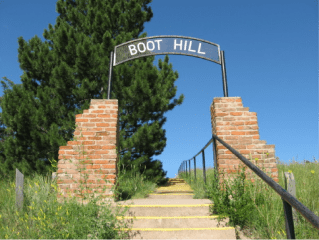
Just around the corner and up the street, I checked out the Boot Hill Cemetery there in Ogallala. Buried there are people from all walks of life, who found themselves in Ogallala, NE (Cowboy Capital) at the end of their life for whatever reason. RIP.


Now I headed east on I-80 again, and was hoping that Greta could help me find the Buffalo Bill Ranch located on the west side of North Platte, NE. The original Second Empire style home was built in 1886, and resides on what is now the 25 acre Buffalo Bill Ranch State Historical Park (also known as Scout’s Rest Ranch) adjacent to Scout Creek. The house is furnished with period furnishings, and includes servant’s quarters, an ice house, and a large barn.


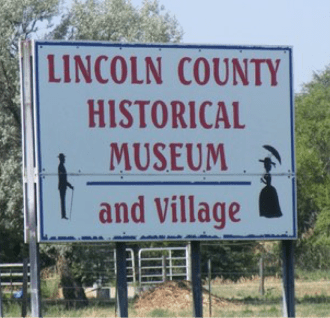
As I headed toward North Platte, I stopped to visit the Lincoln County Historical Museum & Village, located just south of the North Platte River. This was another frontier village type museum, located on 8-acres, with a main building displaying local central Nebraska historical artifacts and memorabilia. There is also a restored early 1800’s “Main Street” town with several period buildings including; general store, schoolhouse church, blacksmith shop, and barn.


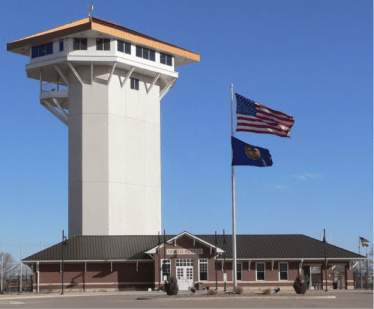
While I was in the area, just south a couple of miles, I visited the Golden Spike Museum & Baily Yard. The museum was an unusually shaped 8-story structure that gave the visitor a grand view of the huge “Baily Yard” operated by the Union Pacific Railroad. I had seen many very long coal trains during this trip, and I asked the tour guide how long the trains were. He said, “From 125 to 145 cars. We have a length restriction of 8-miles.” I was stunned, and asked him why 8-miles and he said, “Because the sidings are only 9-miles long, and the train has to fit on the siding.” Then I asked him how much coal each car could carry, and said, “Each car can carry 100 tons of coal, and each coal car weighs 20 tons.”  I did the math. WOW! What a load!   What did you get? I guess that’s why there are two diesel engines pulling and two diesel engines pushing those long coal trains across the open plains.


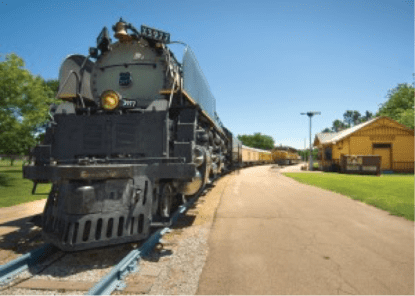
Now I headed across the north part of North Platte to visit the Cody Park Railroad Museum located just north of the North Platte River. This is a small museum with local Union Pacific artifacts and memorabilia in the restored train depot, and the only Challenger 3900 series steam locomotive on public display. The museum also has several nicely restored items of rolling stock attached to the locomotive.


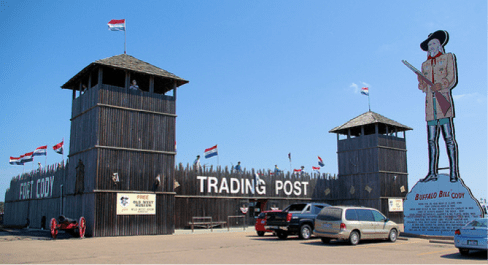
Greta took me on U.S.83 south thru the city, across the South Platte River back toward I-80 to visit the Fort Cody Trading Post. This looked to me like nothing more than a big tourist trap, so I took a couple of photos and was on my way east on I-80.


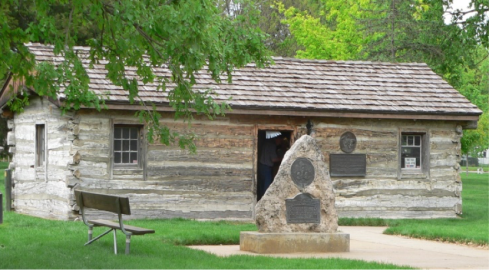
I had picked up a brochure for a Pony Express station museum somewhere along the way on this trip, and planned to stop and check it out now if time permitted. I took the #211 exit off I-80, turned north across the North Platte River, into the city of Gothenburg, NE. I found the Pony Express Station Museum on the south edge of Ehmen Park in the middle of town. The museum was a restored one-room log cabin that had originally been used as a fur trading post and ranch house before being used as a Pony Express Station in 1860 – 1861.


The curator gave me a lot of information about the Pony Express that I had never known. First of all, I had no idea that the Pony Express was only in operation for 19 months in 1860-1861. Started by three business men in 1860, it was initially called the Leavenworth & Pike’s Peak Express Company, and provided “fast” (10 days) mail service between St. Joseph Missouri and Sacramento, California. The approximately 1900 mile route consisted of 120 riders, 157 Pony Express stations (spaced every 10 miles), 400 horses, and was manned by several hundred men. The express rider would stop at each station, change to a fresh horse, taking only the mail pouch called a mochila (Spanish for pouch) with him. The mochila was thrown over the saddle and held in place by the weight of the rider sitting on it.  The mochila could carry 20 lbs. of mail in four pockets (two on each side) that would be padlocked.


The initial price was $5.00 per ½ ounce to send mail by the Pony Express route. The transcontinental telegraph (Telegraph Act, authorized by congress in 1860) completed in 1861, put an end to the Pony Express, and it is said the investors lost over $200,000 (1860 dollars) during the short period of time their mail service system was in operation.


After that informative stop, I told Greta it was time to find my motel for the night, located down the road a ways in Cozad, NE. She did a good job, and before I knew it, I was there and checked in. The desk clerk informed me that there were very few restaurants in town that he could recommend, and directed me toward the ones he thought best. I looked them over and selected the El Paraiso Mexican Restaurant, where I had one of the best combination plates of chili relleno, enchilada and taco dinner I’ve had in a long time. Yummm!


—–To Be Continued—–

America’s North Country Trip~Part 12

6 Dec

A Slice of Life

Bill Lites


Day 12 (Tuesday)


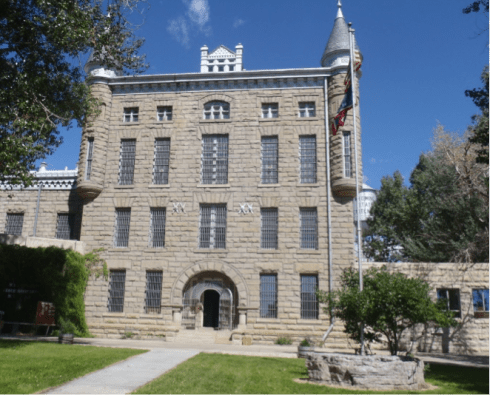
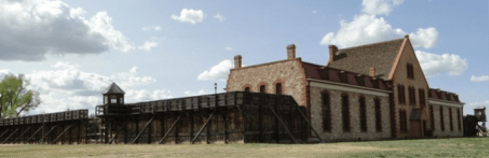
This morning I headed east on I-80 to visit the Wyoming Frontier Prison located in Rawlins, WY. Construction of this facility began in 1893 as a replacement for the old Wyoming Territorial Prison, in Laramie. Even though new, the first 104 cells (cell block “A”) had no electricity or running water, and very inadequate heating when first opened. Over the years, Cell blocks “B” and “C” were added to handle the ever growing number of inmates. The prison employed several different means of discipline, including a dungeon, solitary confinement and even a “Punishment Pole” where men were secured and whipped with a rubber hose. Just one more remnant of the grizzly past of the “Old AmericannWest.”


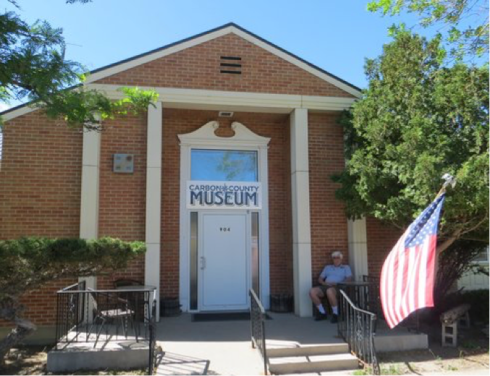
While I was in Rawlings, i decided to check out the Carbon County Museum. This was a small museum, very nicely displaying historical artifacts and memorabilia associated with the surrounding southwestern Wyoming area.


Now I headed east on I-80 again to visit the Laramie Railroad Museum in Laramie, WY. This museum turned out to be located in the old Union Pacific train station (designated “The Overland Route”) of the Union Pacific System. Unfortunately the museum was closed today. So, I took a stroll around the small Railroad Heritage Park adjacent to the museum, where I took a photo of the restored Union Pacific locomotive # 535 pushing a snow plow and pulling a 6-man crew-bunk car and a caboose.


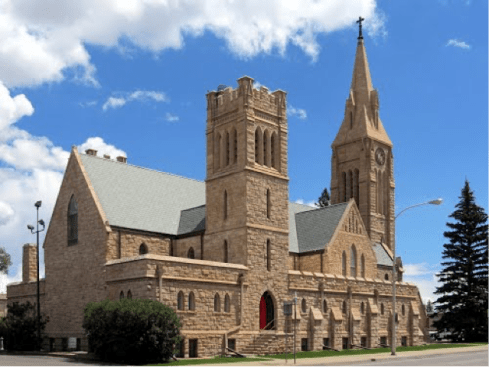
As I passed thru downtown Laramie, I pass the St. Matthews Episcopal Cathedral and just had to stop and take a photo of that majestic old structure. Built in 1892, it somehow reminded me of the Laramie city historical marker, I had just seen, that informed me that Laramie was founded in 1866, and was named after the fur trader Jacques LaRamie. Interesting how civilization and architecture had a way of pushing its way west, even in those early days of territorial life.


Next I visited the Wyoming Territorial Prison located west of the city on the Laramie River. Built in 1872, the prison was problem riddled with fires and jail breaks from the beginning. Of the 44 prisoners accepted in the first two years of operation, 11 escaped. Butch Cassidy was a prisoner there from 1894 to 1896. Prisoners were transferred to the new Wyoming State Prison located Rawlins, WY in 1901, the prison was closed, and in 1903 and the University of Wyoming used the facility to conduct experiments in livestock breeding until 1989. The facility was opened to the public in 1991 as the Wyoming Territorial Prison State Historical Site. If this prison was opened 11 years before the Wyoming Territorial Prison in Rawlings, I can just imagine what horrible things the prisoners had to endure in this prison.


Leaving Laramie I headed east on I-80 again to visit the old Cheyenne Depot Museum (AKA: Wyoming Transportation Museum) located in downtown Cheyenne, WY. This museum was located inside the reconditioned Union Pacific Railroad terminal which was built in 1886. The Union Pacific Railroad serviced its last passenger from this terminal in 1971, after which it was closed. The terminal was subsequently re-opened (after much renovation) to the public as a museum in 1990. The two-story museum displays exhibits related to the history of the Union Pacific Railroad, and its role in the development of the city of Cheyenne.


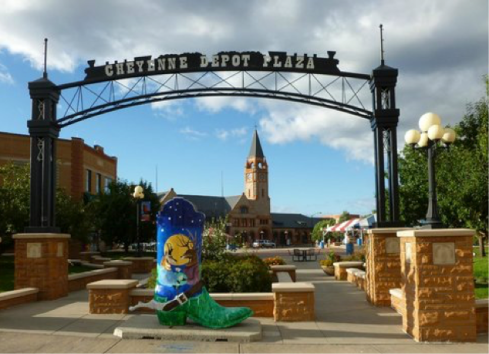
Across the street from the depot, is the Cheyenne Depot Plaza where you will see a number of 8’ tall painted cowboy boots. These boots are each painted to show a different part of the history of Cheyenne. You can take a cell-phone audio tour (looking for other Big Boots), that guides you to 19 different locations of interest in the city. Pretty cool idea, if you have the time and want to see the city.


Just a few blocks from the park, I visited the Nelson Museum of the West. This was a small museum, beautifully displaying artifacts and memorabilia from the surrounding Wyoming plains area, dating from the early frontier days to the present.


On my way to my next museum, I passed the Wyoming State Capital building and stopped to take a photo of that beautiful structure.


I hadn’t gone far before I saw another beautiful structure. This turned out to be the St. Mary’s Cathedral. I am always impressed with the architectural beauty of the various churches, cathedrals, and government buildings I see on my trips in different parts of this country of ours.


A little ways north of town, I decided to visit the Cheyenne Frontier Days Old West Museum located there in Cheyenne. This is a frontier town type museum, with restored buildings set up to represent “Main Street” in the early 1800 days in the Cheyenne area. The buildings are occupied with tour guides dressed in period clothes ready to tell you all about what it was like “back in the 1890’s old west days.” I just happened to be in Cheyenne the week of the “World’s Largest Outdoor Rodeo & Western Celebration.” This is a huge annual event in Cheyenne that had a big part of the city’s streets blocked off, and I was unable to visit the CDF Museum located close to the Frontier Park & Arena because of that.


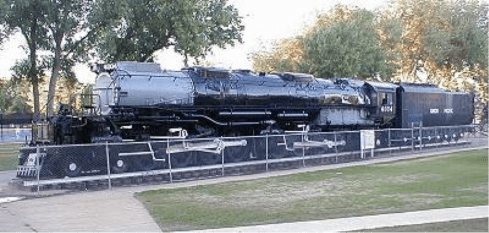
Now I headed for a quick check to see if Greta could find the Big Boy No. 4004 steam locomotive located in the Holiday Park there in Cheyenne. It was one of the world’s largest steam locomotives ever built. Big Boy No. 4004 was one of 25 Big Boy locomotives built between 1941 & 1944 for the Union Pacific Railroad. It went into service in 1941; measures 132’ long, weighs 1.208,750 lbs. & carries 25,000 gal. of water. The Big Boy locomotives were so long that their frames had to be “hinged” or articulated to allow them to negotiate curves.


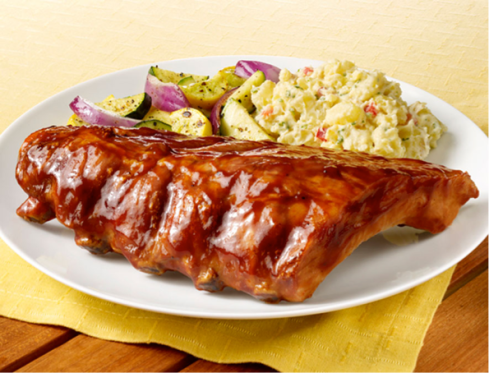
I headed for the motel there in Cheyenne, and after getting checked in I relaxed and enjoyed my leftover Baby Back Ribs from last night at the Open Range Restaurant.


—–To Be Continued—–
 

America’s North Country Trip~Part 11

29 Nov

A Slice of Life

 Bill Lites


Day 11 (Monday)


This morning I did a little back-tracking north on US-20 heading for my first visit of the day to the Legacy Flight Museum located at the Rexburg-Madison County Airport in Rexburg, ID. This was a small one-hanger museum where all of their planes are flyable. I learned that several of the planes from this museum were at the Extreme Blue Thunder Airshow in Idaho Falls last weekend.


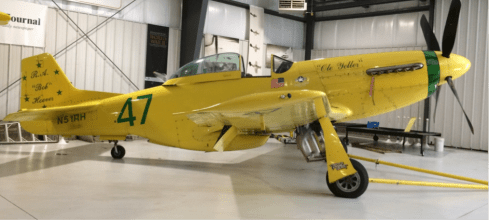
As I walked thru the hanger taking photos, I spotted a yellow P-51 Mustang that looked familiar. I asked the tour guide if that really was Bob Hoover’s “Ole Yeller” and he said, “Yes.” I asked him how it ended up in their museum, and he said, “Bob knows one of the owners of this museum, and when Bob was forced to retire from flying, he designated that his P-51 Mustang would be displayed, maintained and flown by this museum until a specified time, when it would go to the Smithsonian Air & Space Museum.” What an amazing man and airplane!


Now I headed east on SR-33, past a beautiful part to the Teton Mountain Range to visit The Teton Valley Museum located in Driggs, ID. The museum was closed, but I learned from their website that their exhibits mostly center on local history of the surrounding Teton Valley.


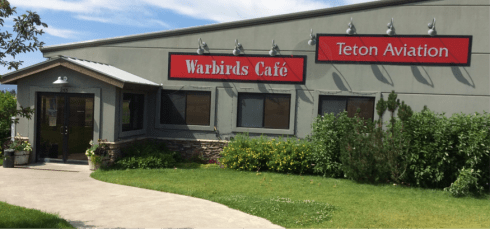
Just down the road a ways, at the Driggs Airport, I visited the Teton Aviation Center. This center houses a small FBO as well as an impressive collection of beautifully restored WWII warbirds. There is also the “Warbird Café” where you can eat a delicious meal and have a great view of the Grand Teton Mountains from your table.


In downtown Driggs I visited the Teton Geotourism Center just to see what it was all about. They advertise to be the world’s first Geotourism center which they say is the portal to an experience on the Teton Scenic Byway (a part of the Greater Yellowstone Ecosystem). Most of their exhibits are interactive, showing the Teton Valley in its best light. I did like the on-board husky-driven snow sled ride video.


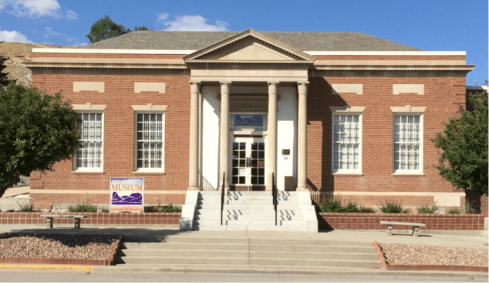
As I headed south and west on SR-33 thru the Caribou Targhee National Forest, where I picked up US-26 in Swan Valley. I continued south along the Snake River, crossing the border into Wyoming, where I picked up US-89 into Afton, WY where I visited the CallAir Museum. This was a very small museum located in the Afton Civic Center building. I learned that the Call Aircraft Factory was founded in 1939 there in Afton, and went on to design and manufacture single engine passenger aircraft and crop duster aircraft until 1970.


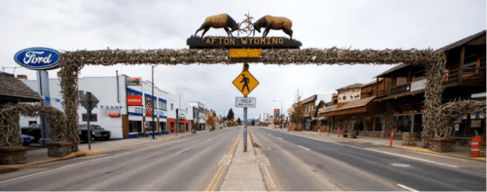
Before I left Afton, I wanted to see and photograph what is advertised to be the World’s Largest Elk Horn Arch. The arch is 18 feet high and 75 feet wide, and is said to contain over3000 elk antlers. Sure enough, there it was, stretching across US-89 in downtown Afton, with a pair of elk sparing on top. Wow! That took a lot of elk Horns to build! There must have been a lot of elk roaming around these parts in the early days, as I have seen all kinds of elk Horn furniture in museums on this trip.


Now I headed south on US-89, skirting the Bridger National Forest, until I picked up US-30 just below Geneva, ID. US-30 continues south another 25 miles before it turns east, past the Fossil Butte National Monument, to where I could merge with I-80 near Little America Travel Center. Since it was only another 25 miles to the Sweetwater County Historical Museum in Green River, WY were I had planned my next visit, I put off a potty break until I got there. As expected, this museum’s exhibits majored on the cultural heritage of southwestern Wyoming, including the early explorers, fur trappers, sheepherders, cowboys, and the Pony Express.


While there in Green River, I went looking for what I thought would be an old timey Wild West saloon where I could get a sarsaparilla. But the address for the Wild Horse Saloon and the Hitching Post were both the same, and I found out that they had been combined, and were now called the Hitching Post Restaurant & Saloon. Since I was sure this saloon would probably not be serving anything as mild as a sarsaparilla, I decided to look for the Island Park, down by the Green River, to relax while I called DiVoran. I couldn’t find the Park, so I just pulled up in a nice shady spot next to the river and made my call. The rustling water was very soothing.


Now I headed east on I-80 another 15 miles to Rock Springs, WY to look for my motel for the night. After I got checked in, I saw the Best Western “Outlaw Inn” across the street. They had a restaurant called the” Open Range” where I enjoyed a dinner of Baby Back Ribs with all the trimmings. What a great way to end a long day on the road.


—–To Be Continued—–

America’s North Country Trip~ Part 10

22 Nov

A Slice of Life

 Bill Lites


Day 10 (Sunday)


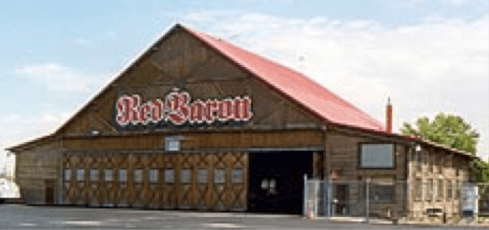
Since the airshow gates didn’t open until 9:00, and it was located on the other side of the airport runway, I decided to check out the Red Barn Hanger there at the Idaho Falls Reginal Airport first. Built in 1930, the hanger served the city of Idaho Falls, during the early pioneering years of aviation, helping to provide a link between the eastern and western parts of the country. They hadn’t opened all the hanger doors yet this morning, but I could see a couple of modern twin-engine aircraft parked inside.


People were already beginning to stream thru the airshow gate by the time I got there and got parked. I showed my ticket, got my hand stamped and strolled over to one of the courtesy carts and asked for a ride to the flight line. It was a good ¼ mile to where the Blue Angles aircraft were parked. However, there were not too many people at the flight line fence yet, so I was able to get a clear shot of all the planes.


The visitor viewing area for the airshow was shaped like a triangle with about ¼ mile sides, and by the time I got back to the gate I was ready to sit down and rest. Did I mention that the temperature in this area had been really high, and today it was forecast to be 94 (feels like 104).


By the time the airshow activities started the temperature had gotten up to about 90 degrees and everyone was looking for some shade. But, there wasn’t any!


I ask the courtesy cart lady, who originally had given me a ride to the flight line, if I could sit in her cart when she wasn’t busy, and she said, “Sure.” This turned out to be the best seat at the airshow; I had a place to sit, the cart had a roof for shade, and I had someone to talk to about the show. Best of all, every time her support people came by to give her a bottle of water, she got one for me. Then when they came by and gave her a big sub-sandwich for her lunch she said, “I can’t eat that much.” and offered me half. What a deal that turned out to be!


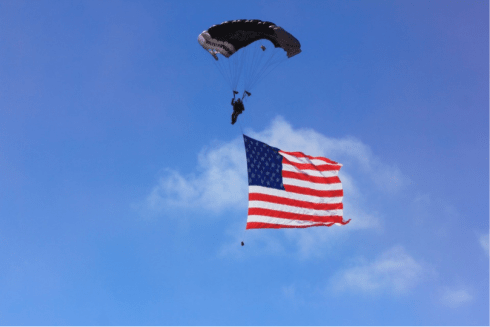
Since this airshow was being held in a location where there weren’t any vacant surrounding areas where pyrotechnics could be used, it limited the activities of the show somewhat. They started the show with parachute jumper who came down with the American flag while the National Anthem played.


Then there several single plane aerobatic displays, where the pilots did some of the most amazing things with their airplanes.


There was a 4-plane AT-6 demonstration team that performed some really smooth formation flying.


And one of my favorites, Matt Younkin flying his Twin Beech 18, always puts on one of the most amazing and beautiful aerial flight demonstrations with a twin engine airplane.


There was a three-plane demonstration team consisting of a Mig 15, Mig 17 & F-86 Saber that was the first of its kind I had ever seen.


And there was a F-35 flight demonstration that was amazing. The pilot did things with that airplane that were just hard to believe any modern jet could do. All in all, they put on a good show, even though there was some really long “no action” periods between events. Of course everyone was really there to see the Blue Angles put on their airial demonstration. I had seen the Air Force Thunderbirds perform at our Valiant Air Command Airshow last year, but had never seen the Blue Angles perform. They put on a really impressive demonstration and I didn’t see anyone leave during their performance.


Since I was watching this while sitting in the courtesy cart close to the entrance gate, I was able to thank the lady driver who had been so kind to me throughout the entire airshow, and beat the crowd to my car and out to the street. The police had many of the streets blocked off to help clear the airshow crowd from the area. This didn’t help me in my effort to get to the Museum of Idaho there in Idaho Falls for a visit. By the time I got to the museum it was closed, so I just took a photo.


I had planned to stay in Idaho Falls for two nights, so by now Greta was familiar with how to get me back to the motel. A shower felt really good after a full day out in that blistering heat (even though I was shaded most of the time), and then I enjoyed my leftover Casa Ranchero Mexican dinner again. All that hot open air exposure, a cool shower, and delicious meal (and there was nothing good on TV) made it very hard to stay wake. So it was very easy to go to bed early tonight.


—–To Be Continued—–
 

Circuitous Travel~Part 13

19 Nov

SUNDAY MEMORIES

Judy Wills


Today’s adventure in greater London was a bus tour to Windsor Castle.


Credit Google Search and Wikipedia


Fred and I had visited this magnificent castle back in 1970, and I shall present some of the pictures we took at that time in this post.

We were told that Windsor Castle is Queen Elizabeth II’s favorite castle. While I don’t remember going inside anywhere, I can still see why she loves it so much.

We saw many beautiful parts of this castle. We saw the King Henry VIII Gate.


We saw King George’s Chapel (here with a corner of the barracks).


We were allowed to be and see the inside courtyard, and took several pictures from different angles.


I really loved the stoneworks that make up this castle. It’s just lovely.

Back in 1970, as we were walking toward the castle, we were told by the guide to be very careful during the changing of the guards. Especially as they headed toward the barracks. He said that, because they had been on duty and were tired, that they stopped for no one on their march to the barracks!! So watch out!! Don’t get in their way, or you will be run over!

Outside the castle itself, we saw the castle from the distance, along with a bronze statue of Queen Victoria – in the middle of the street! It is well kept.


Credit Google Search and Mapio.net


While we enjoyed our tour of the castle grounds, Fred and I had the pleasure, back in 1970, of seeing a part of Windsor that is seldom seen by the general public. We were told, back then, that we would be able to see the Queen’s Apartment Gardens – but only because she was not in attendance at Windsor at that time. We were thrilled!! That was a once-in-a-lifetime event for us. Here are the pictures we took – of the Queen’s apartment, and the gardens she saw when she looked out her windows. Beautiful!


The Queen’s Apartments from the gardens

The Queen’s Gardens


Back in 1970, from one point in Windsor, we were able to see Eton College. Here is a picture from then.


From Windsor, we went to Hampton Court Palace.


This is another lovely piece of English history. The building was begun in 1515 by Cardinal Thomas Wolsey. In reading some articles on Google, it seems that King Henry VIII more-or-less confiscated it from Wolsey following a falling-out between them, in 1529. Henry then enlarged the palace for his own pleasure.


Anne Boleyn’s gate with clock tower


Hampton Court is a great place to visit if you are ever in the London area. And I would like to say here, that if you ever come to Orlando, and go do Disney World, and EPCOT especially, when you get to the country of “England” – look at the front of the store and you will see Hampton Court. The store front looks like Anne Boleyn’s Gate. But also look up at the brick chimneys – they remind me so much of Hampton Court! I hope they were built at EPCOT with that just in mind. Delightful!

~~~~~~~~~~To Be Continued~~~~~~~~~~


Road Trip~Amarillo, Texas to Albuquerque, New Mexico

16 Nov

On the Porch

Onisha Ellis


September 11, 2017 Day 5

I awoke early, tired from a restless night and anxious to hear from our daughter who had decided to ride out Hurricane Irma alone.  She sent a video text of her back yard around 7:30 am and I was relieved that she was safe and her property as well.  It was with a thankful heart that we began the next leg of our trip.

You can read her story of Hurricane Irma on her blog, Rebekah Lyn’s Kitchen

Leaving Amarillo we passed fields with beautiful yellow flowers. Unfortunately, the flowers were not the scent we were smelling.  Amarillo is  home to of a number of Cattle and Livestock companies. If you would like to know more about livestock auctions, I found an auction house online.

I hadn’t noticed when I was in the planning stages of this trip, how close Amarillo is to New Mexico. In no time we were crossing the border!


Judy Wills, a blogger here on Old Things R New wrote an extensive series about her life in New Mexico and I was anxious to visit some of the places she wrote of. You may enjoy reading her posts, Memories of New Mexico .

Once we entered New Mexico, the cattle ranches fell away replaced by arid landscapes. One of the most fascinating features of New Mexico was the variety or rocks in their mountains. More about that next week.


We arrived at our hotel in Albuquerque around  3pm and after carting up our ridiculous amount of luggage, we set off to explore. I had asked Judy which restaurants in the Old Town she would recommend. I wanted to experience real  Mexican flavor. We decided on El Pinto. What a beautiful restaurant. It has extensive garden seating with more fountains than I could count and the landscaping was lush. Our server was a delightful young man. He asked where we were from and he was surprised to learn with both grew  up in Orlando!  Even more coincidental, he lived in a subdivision our where our daughter once lived and his grandparents were still there. Small world!  We asked how they fared during Hurricane Irma and were happy to know they were safe. I asked him why he decided to move to New Mexico and he said school and the weather. He hated Florida’s humidity. We could certainly agree with his feelings!


After supper we decided to visit Old Town to walk off some of the delicious meal. There was a lot of road construction in the area, so it took a couple of tries before we made it into the entrance. It is a beautiful and quaint area and we enjoyed exploring it.


San Felipe de Neri Church, the oldest building in the city, which was built in 1793.


We managed to get turned around leaving Old Town. We went down a couple of alleys that seemed a bit dodgy but eventually found an on ramp to the interstate.

Only one more day of driving was left until we would reach Denver where our daughter and a friend were flying into the international airport to meet us. Rebekah had spent the day assessing  a leak in her kitchen due to the storm and trying to find someone to go up on the roof to find the source.

Circuitous Travel~Part 12

12 Nov

SUNDAY MEMORIES

Judy Wills


We are getting close to the end of our week in London – much to our sorrow. We love all things England, and the greater London area in particular.

However, we were excited about the day ahead of us. Our first venture was a bus tour to Warwick (pronounced War-ick, not War-wick) Castle.


Gatehouse


We were eager to able to visit this beautiful castle. We were told that many motion pictures that involve castles are filmed at this site. Makes sense – it is a beautiful site.


Castle grounds and gardens


From “Primary Facts” I gleaned: …..facts about Warwick Castle, located near the River Avon, in the county of Warwickshire.

 A motte-and-bailey castle was built on the site of Warwick Castle. This early castle was built in 1068 by the Normans following William the Conqueror’s victory in the Battle of Hastings.

The motte-and-bailey castle was upgraded to stone during the reign of Henry II. A curtain wall was built with buildings up against it.

 In the 14th century, a gatehouse was added and several towers were constructed.

 In 1469, during the time of the Wars of the Roses, Richard Neville, Earl of Warwick, imprisoned King Edward IV in Warwick Castle.

 Richard III ordered for two gun towers to be added to Warwick Castle in the 1480s. These were called Bear Tower and Clarence Tower.

 During the 16th century, Warwick Castle started to fall into disrepair. In fact, when Queen Elizabeth I visited, a separate building had to built for her to stay in.


Caesar’s Tower


We were pleased to see the Red Knight on display for us.


When Fred and I visited back in 1970, the castle was in private hands. At this point in time (1983) it was owned by the Madam Tussaud’s company, and the company had added animated figures in some of the rooms. Quite interesting.

Following our visit to the castle, we went on to Stratford-Upon-Avon, and we especially wanted to see Anne Hathaway’s Cottage.


The town gate


Again, when Fred and I had visited in 1970, the thatch on the roof of the cottage was being repaired. Seems that a young man in the village wanted to impress his girlfriend, so he set fire to the roof! We were fortunate to be there at the time the roof was actually being repaired. It gave us a true insight into how a thatch roof is constructed. Most interesting and entertaining.


1970 – Anne Hathaway’s Cottage with Reconstruction sign


Wikipedia provided the following: Anne Hathaway’s Cottage is a twelve-roomed farmhouse where Anne Hathaway, the wife of William Shakespeare, lived as a child in the village of Shottery, Warwickshire, England, about 1 mile west of Stratford-upon-Avon.

We also found the town of Stratford-Upon-Avon to be quite entertaining. While we knew, of course, that it was the birthplace of William Shakespeare, it had other interests as well.


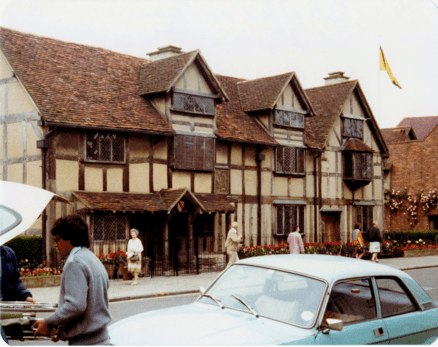
Shakespeare’s birthplace


The official Stratford-Upon-Avon website states:   Stratford-upon-Avon, a medieval market town in England’s West Midlands, is the 16th-century birthplace of William Shakespeare. Possibly the most famous writer in the English language, Shakespeare is known for his sonnets and plays such as ‘Romeo and Juliet’ and ‘Hamlet’. The Royal Shakespeare Company performs his plays in the Royal Shakespeare Theatre and adjacent Swan Theatre on the banks of the River Avon.


The Old Weaver’s House – built in A.D. 1500


So much history in England…and we thoroughly enjoy it!


~~~~~~~~~~To Be Continued~~~~~~~~~~


Circuitous Travel~Part 11

5 Nov

SUNDAY MEMORIES

Judy Wills

JUDY


This day in London started off with my cutting Fred’s hair. Being in the U.S. military, he had a set way that he wanted his hair cut – as well as how often it should be shaped up. We had been gone from Germany for about 10 days now, and he was getting “shaggy” according to his specifications! It didn’t take long, but it had to be done!


We had arranged to take the bus to Canterbury on this day, and so we did. Fred and I had visited England many years before, when we lived in Wiesbaden, Germany. We knew we wanted to share this experience with our girls.


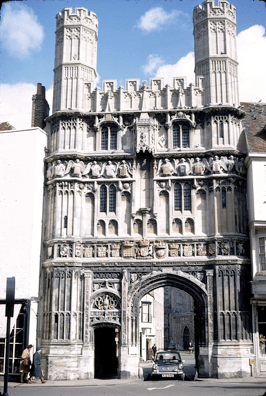
Canterbury Gate


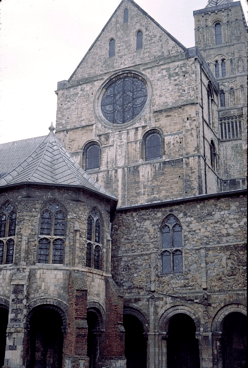
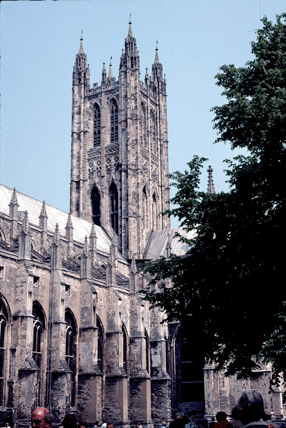
We had an enjoyable time walking around the town and looking through the cathedral. It is a magnificent edifice, both inside and outside.


Once again, one of the amazing things about this cathedral are the parts that were built during the Norman times. It’s amazing to me that those areas – and stones – are still standing after all these centuries! According to Wikipedia, the cathedral was founded in 597 A.D. and was completely rebuilt from 1070 to 1077. The last alteration was in 1834. It is the cathedral of the Archbishop of Canterbury, leader of the Church of England.


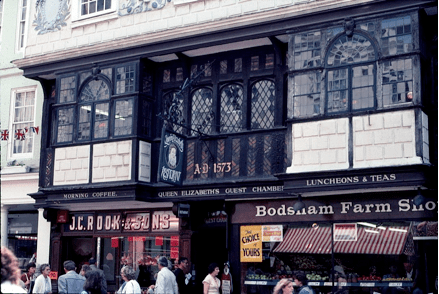
When Fred and I had visited Canterbury in 1970, we happened upon a building that was marked “Queen Elizabeth 1 Guest Chamber.”


1970 – Guest Chamber/Restaurant – second level


We had a meal there in the restaurant and it was quite lovely, and rather inexpensive, which surprised us. We found that much of the furnishings, i.e. tables, etc., were original to that time. The date on the front of the building states: 1573.   Elizabeth I visited Canterbury in 1573 and entertained the Duke of Alençon in what was then the state room of the Crown Inn. Apparently she stayed there for three days, celebrating her 40th birthday. So it was definitely something we wanted to share with our girls. Unfortunately, at that time (1983), it was not a restaurant anymore. But we were able to have an ice cream, so our girls were able to see the inside we had raved about. It was so fun.


983 – Guest Chamber – second level


One of the most fun things about that day in Canterbury, was that we came upon a couple that had been in our church in Heidelberg! Roy and Vicki Crawford. We visited with them for a few minutes, and decided to have supper together at a local Chinese restaurant. We then went on our ways and met up for supper. We enjoyed that time together, knowing we probably wouldn’t see them ever again – which we haven’t.


Judy, Karen, Janet Wills with Roy and Vicki Crawford


It was a rather long – but fulfilling – day. So after supper with the Crawfords, we headed back to the B&B for another overnight.


~~~~~~~~~~To Be Continued~~~~~~~~~~


America’s North Country Trip~Part 7

1 Nov

A Slice of Life

Bill Lites


Day 7 (Thursday)


As I continued west on I-90 next I visited the Crazy Mountain Museum located in Big Timber, MT. This was a small museum in a lovely wooded location, and included a main building which displayed a 1/16th scale model of the town of Big Timber as it looked in 1907. Outside there was a restored one-room schoolhouse, a replica of a Norwegian Stabbur (storage building), and a restored sheep herder’s wagon (these could have been the first RV’s back in the day).


Continuing west on I-90 next I visited the Livingston Railroad Depot located in Livingston, MT. This museum is in the restored 1902 Northern Pacific Railroad train station and contains a large assortment of local railroad memorabilia. The waiting platform has been converted into a very nice patio café for visitors and locals alike.


On the way to my next museum there in Livingston, I drove past a Custom Car Restoration garage and decided to pop in to see what was in the works. As it turned out the owner was very friendly and showed me around his shop and some of his projects. He had several classic cars and trucks that were in various stages of restoration.


While I was in Livingston I also visited the Federation of Fly Fishers Museum just to see what it was all about. This turned out to be a small two-story building where both floors were filled (floor to ceiling) with every conceivable type of fishing fly. The museum owner’s wife was very nice and showed me a lot more than I would ever have wanted to know about fly fishing, tackle and the making of flies. She also introduced me to their National Fly Fishing Hall of Fame gallery which included famous Fly Fishing inventers and celebrities from all over the country.


Next on the list was the Yellowstone Gateway Museum, also there in Livingston. This museum consisted of a large 3-story building (plus a basement) filled with local memorabilia from the early western Montana area. The museum’s collection included restored wagons, buggies, fire wagons, a shepherd’s wagon, and of course, as with most museums in these Plaines States, a stuffed buffalo. Outside there was a one-room schoolhouse and lots of restored early farm equipment


Now I continued west on I-90 to visit the Museum of the Rockies, located in Bozeman, MT. This is a very large museum, and as an affiliate of the Smithsonian Institution, is known for its paleontological collections. It also claims to have the largest collection of dinosaur remains in the U.S. I was impressed with the number and size of their complete dinosaur displays.


It was getting late in the day, so I headed west to try to get to the Headwaters Heritage Museum located at the corner of Main & Cedar Streets in Three Forks, MT before they closed. This was a small museum, in a two-story downtown building (I think it was originally a bank), consisting mostly in local early American memorabilia. I was impressed with their display of over 750 different types of “bobbed wire” that has been used over the years. I didn’t spend much time in this museum as I was eager to get down the road to my ultimate destination for the day.


Now it was on west to visit the Jefferson Valley Museum located in Whitehall, MT. This was another frontier village type museum that depicts the early history and heritage of the local area, including Native American tribes, fur trappers, miners and homesteaders who raised horses, cattle and produce for the area’s mining camps and railroad workers. I opted not to walk through this museum village, and instead headed for my motel there in Whitehall.


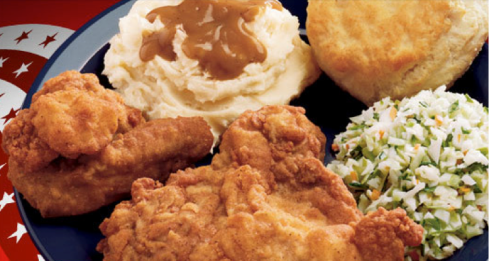
On the way to the motel I spotted a KFC restaurant, and decided to have dinner with the Colonel again tonight. I really do like his chicken. I had their 3-piece chicken dinner again. This time I got cold slaw, mashed potatoes & gravy and I always get one of their homemade biscuits with butter and honey for dessert. What a great way to end a long day on the road.


—–To Be Continued—–

Road Trip for Six

30 Oct

On the Porch

Onisha Ellis


For the first time in years, I went on vacation and didn’t take my laptop. I thought I might have computer withdrawals and was pleased to discover I could unplug. Of course, I wasn’t completely unplugged as I had my tablet and a mobile hotspot but I limited my online time to a quick daily check in on Facebook.

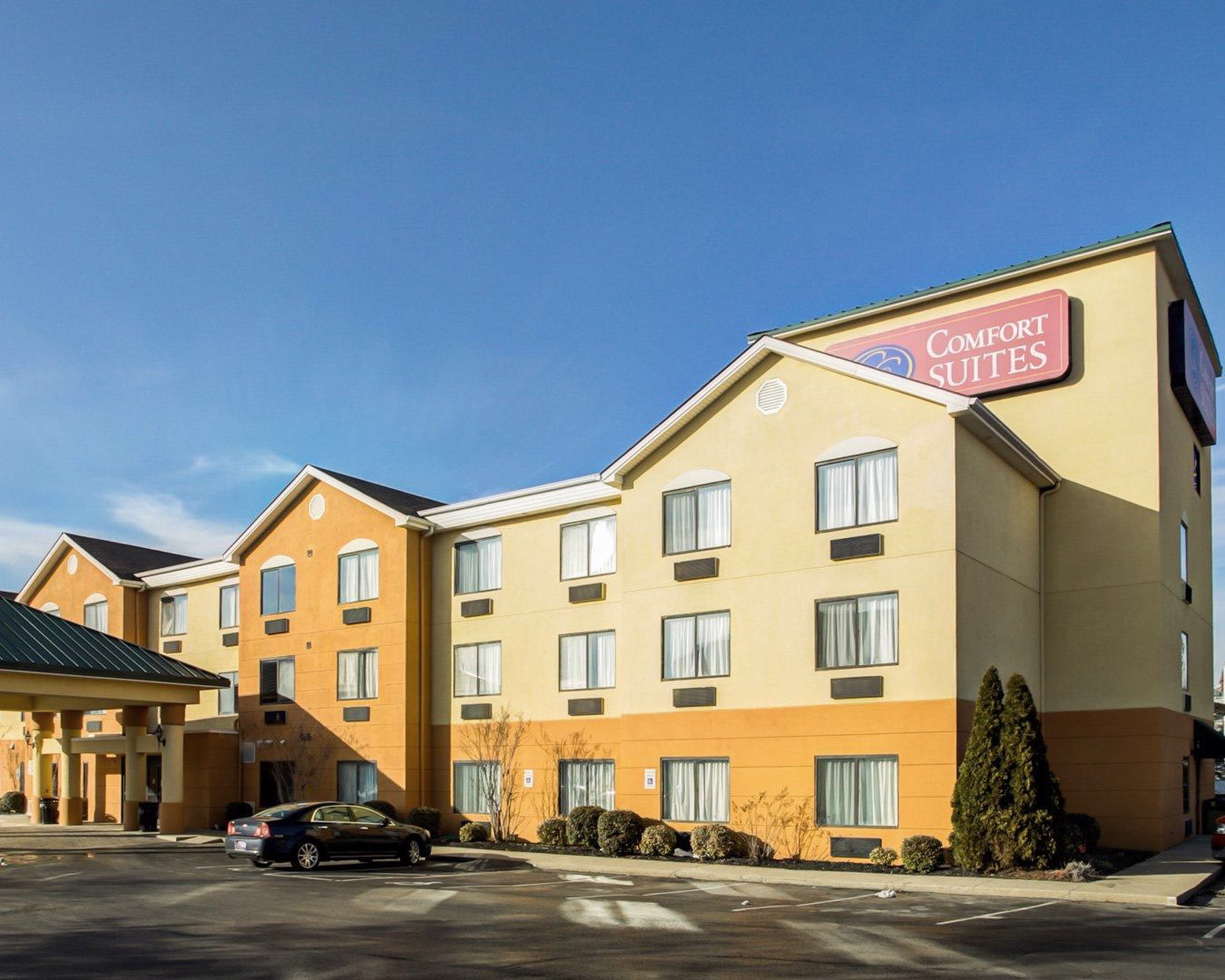
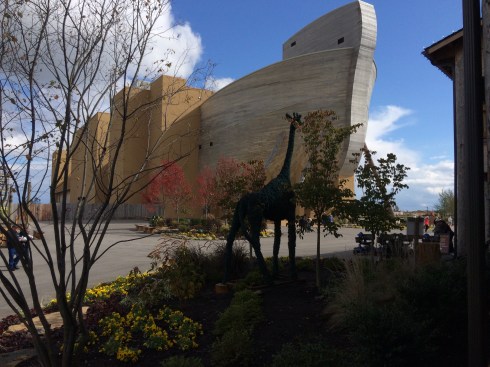
Our latest road trip began on a rainy morning, October 23, 2017 from our home in North Carolina. Husband and I along with two other couples loaded ourselves and our scant luggage into a rented Suburban. We were headed to The Ark Encounter in Williamstown, Kentucky.

It was a rainy drive and we were happy to see some sunshine.


Kentucky welcome station


Check in at our hotel was smooth and we were pleased with our rooms. Whew! That was a load off of my mind as I was the one who chose and booked the hotel.


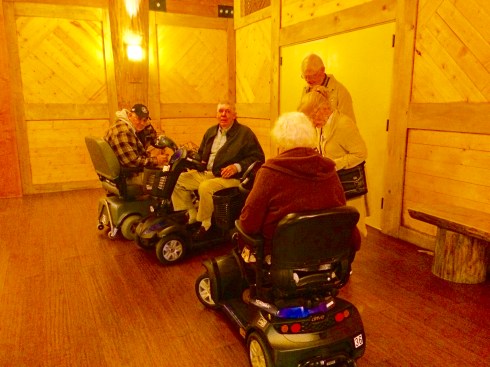
Tuesday morning we were up early. Three in our party needed to rent  scooters and we had been advised to be on the first bus from the parking lot to the ark if we wanted to be certain of getting one.


First in line!


We decided that once the group made it into the ark that each couple would explore at their own pace. But first we had to make a lunch plan! Here is a tip, don’t wait until noon to head to the restaurant.


I found the structure of the ark fascinating. It was built with hand tools as it was in the days of Noah.


The beams inside are huge.


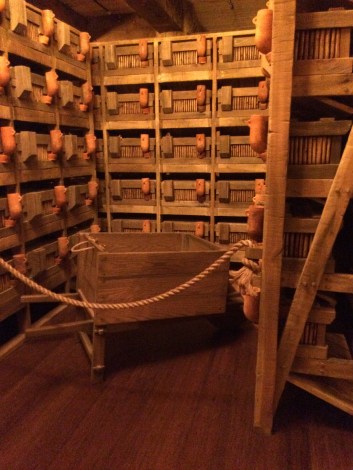
The ark carried supplies for one year. Notice how securely they are stored. It seems Noah was prepared for stormy weather.


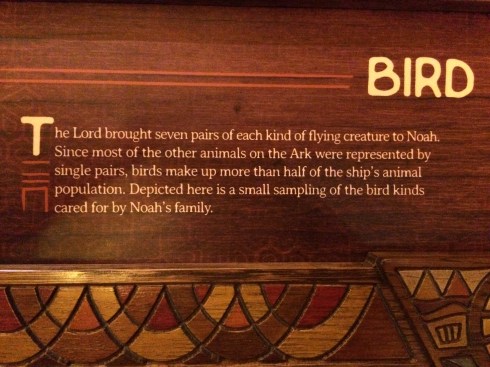
There were a lot of bird cages!


I’m not sure which creatures were in these cages but based on the cart positioned with the cages, I would suspect chickens or small animals.


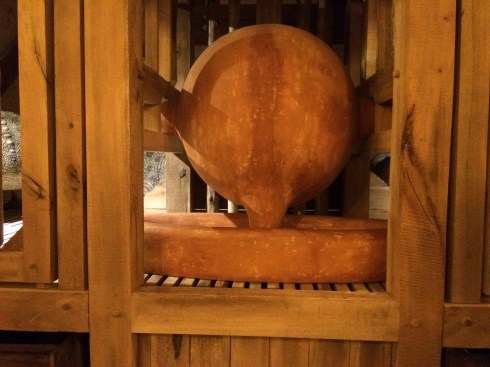
Larger animals were fed from above and had an interesting watering vessel that serviced two cages.


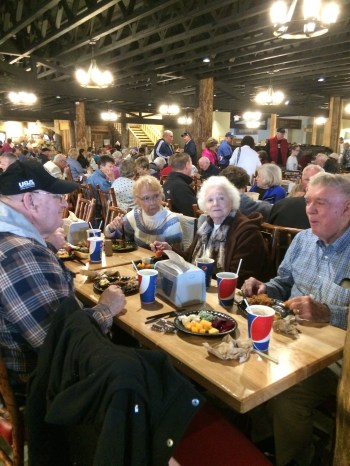
The ark has three decks and we didn’t complete the third deck before our lunch time, but I was ready for a sit down!   By the time we went through the buffet line and found a seat, the line was out the door. We were glad we chose an early lunch time!  The buffet food was delicious and the cost included a beverage and dessert. The price for seniors is $9.99 and $12.99 for younger adults. Sorry, I didn’t notice the child price.


Emzara’s Kitchen


After lunch we returned to the ark to finish the third deck which contained the family living quarters as well as a garden area. It seems Noah was the original small space gardener! The roof of the upper deck could be opened enough to allow sunlight for growing food in containers and hanging pots.  As I stood in the family quarters, I felt the oddest sensation of being on a cruise ship. In the same way that a cruise ship is fully self-contained, so was the ark. One big difference is the ark had a crew of eight people versus the thousand or so on most ships.

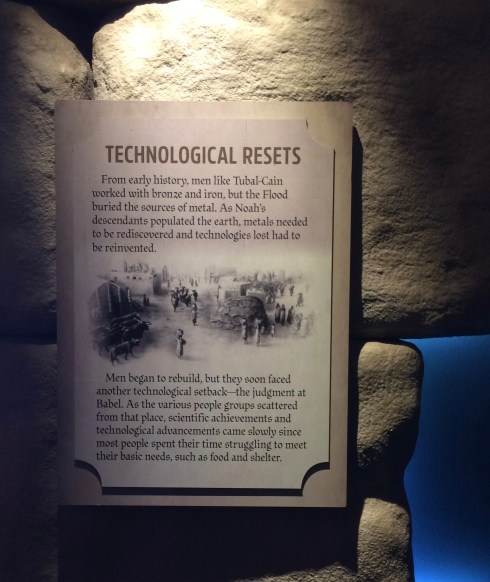
The ark was built with three decks filled with scores of world-class exhibit bays. These stunning exhibits allow you to experience what Noah’s life may have been like and answers many questions.


One of my favorites was the door where the animals loaded.


If you are thinking of visiting The Ark Encounter, I would suggest an early arrival. It can become pretty crowded by the afternoon. There is a generous amount of benches for rest breaks and a snack bar on two levels. If you think you might want a souvenir, shop before lunch! The gift shop becomes very crowded late in the day and it is the one space that does not have a lot of benches. I ended up waiting outside for my party to finish and it was a cold and windy day. Our entire party loved visiting the ark. I think it would be an interesting destination for people of all ages.

Our last morning we faced the challenge of getting our luggage for six to fit back in the Suburban. Somehow we managed to tuck our purchases into nooks and crannies.