Archive | Bill Lites A Slice of Life- Wednesday RSS feed for this section

Parking Lot Excitement

26 Feb

A Slice of Life

Bill Lites

Bill Lites

The other day I made a trip to my favorite giant retail store to replenish a few food items and recharge the gift card I use to buy gas.  As I pulled into the parking lot to look for a parking space, I noticed a Fire truck idling off to the side.  I often see emergency vehicles of all types at this store, since many of our community’s senior citizens frequent it.  I found a parking space, went in and quickly picked up the few things I needed, recharged my gift card, and headed back to my car.  As I was pulling out of my parking space, I noticed what appeared to be quite a bit of smoke coming from under a car in the next row of parking spaces.  The way the wind was blowing, it looked like it was coming out from under the back of the car.  I thought,  “I wonder if that guy knows how bad his car needs an overhaul?  That car sure burns a lot of oil.”

1

The closer I got, the thicker the smoke coming from the car got.  Then the wind shifted slightly, and now I could see the smoke coming from under the car was also boiling out from under the hood and not the tailpipe.  I saw a lady standing behind the car, waving her hands franticly, and looking in all directions for help.  I whipped around a line of cars waiting for traffic to move, and headed for the fire truck.  As I pulled up alongside the fire truck, I saw one of the firemen coming around from the back of the vehicle and I waved him over to notify him of the fire.  He told me he had just seen the smoke, and was on the way to investigate the situation.  Before I could turn my car around and leave the parking lot, the fire truck was rolling up to the smoking car with its siren blaring.  I didn’t have time to hang around to see how long it took the fire department to get the fire out, but I’m sure it wasn’t long.

2

 I thought to myself as I drove home, “If you have to have an automobile fire in a retailer’s parking lot, how lucky can you be to have the Fire Department already there, and ready to come to your rescue?


Our Trip to the UK~Part 12

19 Feb

A Slice of Life

Bill Lites

Bill Lites

Bill Lites


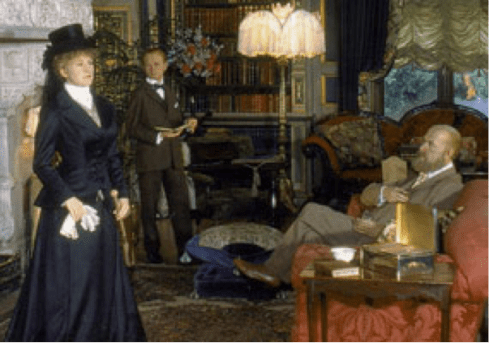
We rode the train as much as we could, when going into London, to avoid the traffic and the parking problems.  We did all the tourist things like visiting the Tower of London, examining the Crown Jewels, and touring Madame Tussauds Wax Museum, where DiVoran did a comedy number with Charlie Chapman, sang a song with Pavarotti, and met Queen Victoria.

1

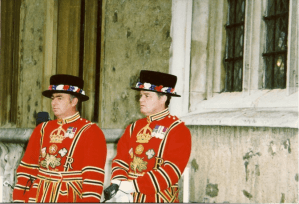
 The original Tower of London was built by William the Conqueror in 1078, after the Norman Conquest of England and was a constant symbol of the oppression inflicted upon London by the new ruling elite.  The Tower went through several phases of expansion, during the 12th and 13th centuries, mainly under Kings Richard the Lionheart, Henry III, and Edward I.  When we visited the Tower, we were impressed with the guards and their special uniforms.

2


I wanted to take a ride on the Channel Tunnel (Chunnel) to France, just for the ride, but we didn’t have enough time to cram that into our busy schedule of things to do.  Coming back from our London adventures one evening, we couldn’t get a seat in the “No Smoking” car of the last train going to Crawley, and had to spend the hour-long trip breathing the second-hand smoke from what seemed like every person in that closed train car.   The smoke was so thick, you could almost cut it with a knife.  Did you remember, it was also freezing cold outside, and we couldn’t open the train car windows?  Well, we both almost died from smoke inhalation before the train arrived at our destination in Crawley.
3


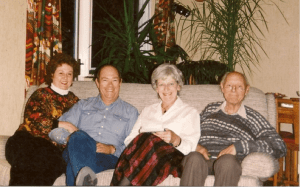
Remember the couple we met at Dove Cottage (Part 7) who invited us to their home for tea?  Well, we rode the train to Canterbury and had a delightful time with them over tea and crumpets.  Professor Wainright had taught at the University of Kent at Canterbury, and was now retired (having been made redundant).  He and Mrs. Wainright were now enjoying traveling and meeting tourists from many countries like us.  He expressed the attitude of many of those we had met in Britain on our trip when he said, “We want you to know how much we appreciate all you “Yanks” did by coming over and helping us fight the Germans during WWII.

4


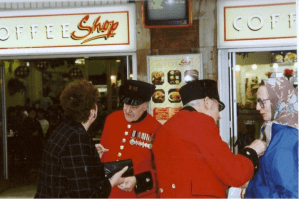
The next day it was time to turn in the rental car, and join the hundreds of people at Gatwick airport trying to find our way to the Delta ticket counter, the Duty Free store, and finally to our departure gate.   Outside the terminal, we saw a couple British WWII Veterans, dressed in all their finery and ribbons, passing out poppies to passersby.  What a heart-rending sight that was!  DiVoran and I, along with most everyone walking by, wanted to give them a donation to help whatever cause they were supporting.

5


The flight back to the U.S. seemed to take a lot longer than it did coming over; I guess because of the Jet Stream headwinds we encountered.  Delta treated us to wonderful meals, a movie and everything we needed for that trip, except a bed.  I always find it hard to sleep on those long flights, even when they turn off all the lights and I fall asleep during the movie.  We changed planes again in Atlanta, did the Customs routine, and then we were finally landing in Orlando, Florida, where our daughter Charlene and her husband Ron picked us up.  Another 45-minute trip to Titusville, and we couldn’t wait to see our “Home Sweet Home” with our wonderful beds.

6


So ends the adventures of “Our Trip to the UK”or at least as much as I can remember.  I would have to take the 5th if you asked me if this was all there was, or if that was exactly how it happened, but these were some of the most memorable parts of the trip, and  DiVoran and I loved every minute of it. 

7


—–The End—–


Our Trip To The UK~Part 11

12 Feb

A Slice of Life

 Bill Lites

Bill


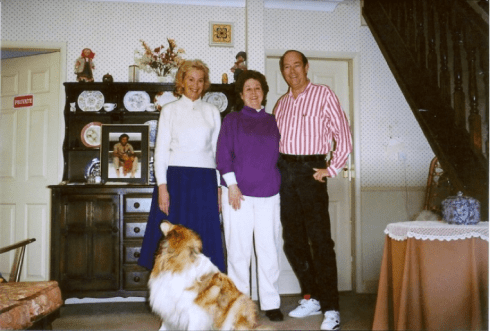
As it happened, our B & B hostess in York was a lovely single lady who was a dedicated Julio Iglesias fan, and had followed him all over Europe and the UK.  She had a beautiful Collie dog that followed us everywhere, and if you don’t recognize that guy in the photo, on the hutch in the picture below, I’ll give you a hint, it’s an autographed photo of Julio of course. 

1

She directed us to the Pickering & Co. Bookstore on the Shambles, which was at the top of the list of places to see for DiVoran.  Also in the York area, of historical interest to me, was the Jorvik Vikiing Center, which houses many artifacts from the 1100-year-old Viking city of Jorvík.  Well-preserved remains of that city were discovered during excavations between 1976 & 1981.  Many items, from that 900 AD time period, such as workshops, fences, animal pens, privies and wells, were unearthed.  Also found were many items made of durable materials such as pottery, metalwork and bones. Surprisingly, many wood, leather and textiles items, along with plant and animal remains were found that had been preserved in oxygen-deprived wet clay of the region.

2


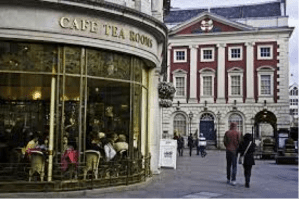
After all that exploring of the York city area, we stopped to rest and have tea at the famous Betty’s Tea Room.  The place was crowded, and a delightful local accountant asked if he could sit at our table with us.  Somehow the subject of street minstrels (Buskers) came up and he informed us that many of them earned very adequate livings, since they didn’t have to report the donations they received for their Busking to the government.

3


Next we stopped at the American Air Museum in Britain, of which I had became a founding member.  The museum is part of the Imperial War Museum, and stands as a memorial to the 30,000 American airmen who gave their lives, flying from air bases in the UK, in defense of liberty during the Second World War.  Since we were there, that small annex of the IWM has grown into a huge museum with over 25 airplanes representing all of the conflicts American airman have participated in during WWII to the present day.

4

Then we travelled to Hatfield, to visit the birthplace of the de Havilland Aircraft Company, builder of many of Britain’s WWII fighters and bombers.  The Comet Hotel is an Art Deco designed building that was originally built in 1936 as the administration building for Geoffrey de Havilland’s aircraft factory.  The design was intended to reflect de Havilland’s Comet Racer aeroplane design.  At that time, the de Havilland airfield and testing grounds were located just opposite of what is now the hotel.  A statue of the famous Comet Racer G-ACS sits in front of the hotel while the original aeroplane is now housed in The Shuttleworth Collection near Biggleswade.

5png


From there we took the route around the eastern side of London to the town of Crawley, where we had our B & B base for the last couple of days of our stay in the UK.  Our hosts, Ron & Brenda Potts,  were some of the nicest people you would ever meet, and were very helpful with recommendations for site seeing and directions for the best ways to get around the London area.   They had both been part of the thousands of British children who were sent to the country during the London Blitz in WWII, and stayed there until the war was over.  They had many fascinating stories to tell us about their wartime experiences.

                                   6


—–To Be Continued—–

Our Trip To The UK Part~10

5 Feb

 A Slice of Life

By Bill Lites

Bill


Then it was up to the Moffatt Woollens Mill at Ladyknowe House, in Moffat, the most northern point of our trip, where I bought a really great Harris Tweed sport jacket and DiVoran bought a beautiful turquoise 100% Argyle sweater and matching pair of knee socks.  We both loved our Scottish items and wear them every chance we get, on those really cold (but very few) occasions we have here in Central Florida.  That is, until DiVoran washed her sweater in hot water and you know the rest of that story.  Boo Hoo! 

1


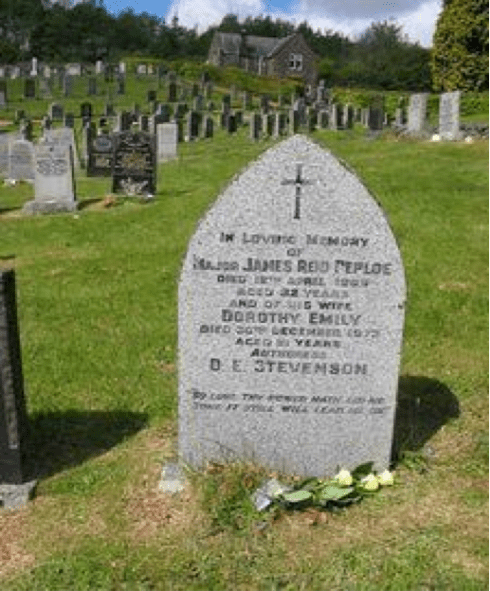
While we were in Moffat, we just had to visit the home of Dorothy Emily Stevenson, DiVoran’s favorite author.  And yes, Robert Louis Stevenson was her grandfather’s brother.  It seems that D. E. Stevenson, who was born in Edinburgh, Scotland spent many years of her life with her husband James Peploe, in Glasgow, until Glasgow was bombed, in the early 1940s.  it was then that she and James moved to Moffat.  Like DiVoran, Stevenson had started writing when she was very young, but because of family duties, and WWII, didn’t start publishing her novels until later in her life.

2


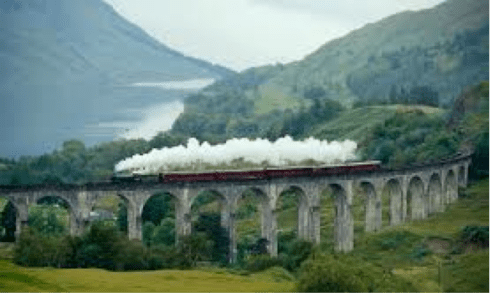
Not long after leaving Moffat, we saw the Scottish West Highland train moving across the famous Glenfinnan Viaduct, and what a sight that was!  Located at the top of Loch Shiel in the West Highlands of Scotland, crossing over the viaduct offers train travelers spectacular views down Lochaber’s Loch Shiel.  The view from the road wasn’t bad either.

3


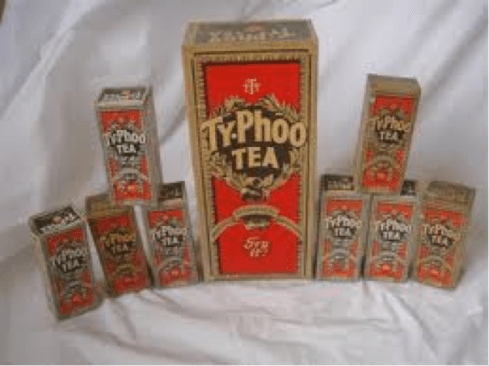
We had planned to travel North all the way to Inverness, Scotland but a huge Atlantic storm moved in from the West, and we decided instead to head back down the Eastern side of England.  This took us thru Newcastle and Durham, to our next stop in the city of York, as we tried to outrun the storm.  One of the things I learned on this trip was that a cup of hot tea will take the chill off of those cold windy English days.  And, one of the most popular teas used by our hosts in most of the B & Bs was called “Ty-Phoo Tea” brand English Blend, and I learned to drink it English style, with milk and sugar.  Of course, DiVoran already knew all this, having been the hot tea drinker in our family for years.

4


The city of York is bounded on the North by the North Yorkshire Moors and on the West by the Yorkshire Dales, which is “Harriot Country” made famous by author, James Harriot (James Alfred Wight), who lived and wrote of his veterinary practice in the countryside around the town of Thirsk.   Also in this area is the famous Robin Hood Bay, dating back to medieval times.  A 15th century English ballad and legend tells a story of Robin Hood and his band of merry men encountering French pirates who had come to pillage the fisherman’s boats along the northeast English coast.  After a brief skirmish, the pirates surrendered to Robin Hood, and he returned the loot to the poor people in the fishing village that is now called Robin Hood’s Bay.

5


We were told that a “must see” in York was the York Minster Cathedral of circa 1100, and they were right.  There is evidence that there has been a church of one type or another in this location since 627 AD.  The present cathedral now sits on the ruins of structures from at least three major time periods, and their structural differences can be seen.   There is Norman style 1070-1154, English Gothic style 1230-1472 and Perpendicular Gothic style 1730-1880.  Under Elizabeth I, there was a concerted effort to remove all traces of Roman Catholicism from the cathedral, and it became the seat of the Archbishop of York, the second-highest office of the Church of England.   It is an absolutely magnificent cruciform shaped edifice.  The outside is beautiful, but the interior is indescribably spectacular!  There isn’t room in this blog for all the beautiful pictures of the Cathedral, but you can Google the “York Minster Cathedral” and see it all for yourself.

6


—–To Be Continued—–


Our Trip to the UK~Part 9

29 Jan

A Slice of Life

Bill Lites

When Hadrian’s Wall was completed, it is said to have consisted of many “turrets” and what were called “milecastles” used, not only for defense purposes, but also to house the upwards of 10,000 Roman troops required to man this massive defense system.  It is theorized to have been for the purpose of separating the Roman Empire subjects from the “Barbarians” to the North.  However, a number of theories have been presented by recent historians, that if not wholly, at least partially, the wall was constructed to reflect the power of Rome, and was used as a political point by Hadrian.

1


I didn’t realize it at the time, but have read that only 20 years later, another Roman Emperor, Antoninus Pius, had expanded the Roman Empire in Britain another 100 miles North, and constructed another barrier between what was then the Roman Empire and the “Barbarians” to their North.  Construction of this wall began in 142 AD, at Antoninus Pius’ order, and took about 12 years to complete. The Antonine Wall, as it was called, is a 40-mile long stone and turf fortification built across what is now the Central Belt of Scotland, between the Firth of Forth and the Firth of Clyde.  The Antonine Wall was designed with 19 forts and 6 fortlets spaced along its length, and was manned by as many as 5,000 Roman troops.  However, for military, political and economic reasons, maintenance and occupation varied at both Hadreain’s Wall and the Antonine Wall over the next 300 years, by which time both had been abandoned by the Romans.

2

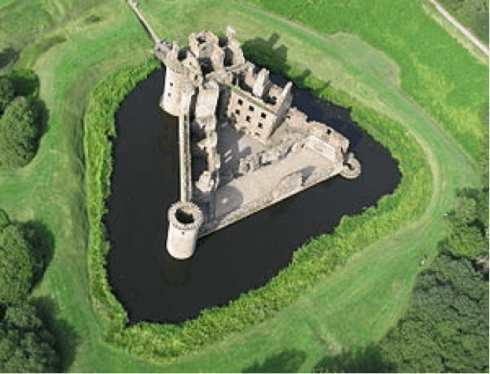
As we traveled north, next we stopped in Dumfries, Scotland where we visited the Robert Burns Center and drove across what is advertised as the oldest arch bridge (1431 AD) still in use in Scotland.  The next day we visited the unique triangular-shaped 13th century Caerlaverock Castle with its high towers and moat.  It was a stronghold of the Maxwell family from the 13th century until the 17th century. Then in the early 17th century, they built a new lodging within the walls, described as among the most ambitious early classical domestic architectures in Scotland.

3


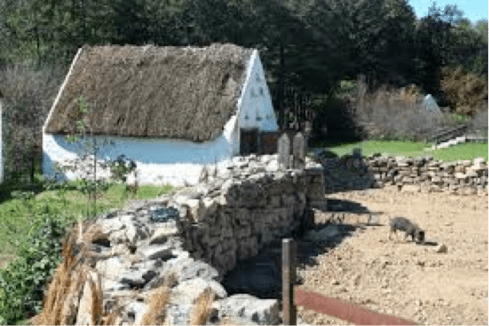
One of the interesting features of the Scottish countryside was how rocky the soil was.  The people had to remove the stones so they could cultivate their land so, over the centuries they have used the stones for everything imaginable.  They built houses with them, they built fences with them and they lined the roads with them.  Some of the country roads are pretty narrow, and when you are driving on one of them (on the left side of course) at night, with four foot high stone walls on both sides of the road, and you meet a car or truck coming the other way, it can be mighty scary, take my word for it!4


At the “Locharthur House” B & B in Beeswing, Dumfries that evening, we met our wonderful hosts, Mr. & Mrs. Schoolings, and their cute little redheaded daughter Elizabeth.  The next morning “Beth” invited us to follow her around as she did the chores.  We saw her special fuzzy lop eared rabbits, her five young red pigs, and the cows in the field down by Loch Arthur.  Of course she had on her Wellington Rubber Boots or “Wellies” and we didn’t, and as a result we got our feet sopping wet trekking thru the field with all its early morning dew.  We were amazed when DiVoran asked Beth how old she was and she told us she was 12, and then added, “I’m wee for my age.” What a grand time we had experiencing the busy life of a young Scottish Lass and all her animals.

5


                                                                    —–To Be Continued—–         

Our Trip To The UK Part ~7

15 Jan

 A Slice of life

By Bill Lites

Bill


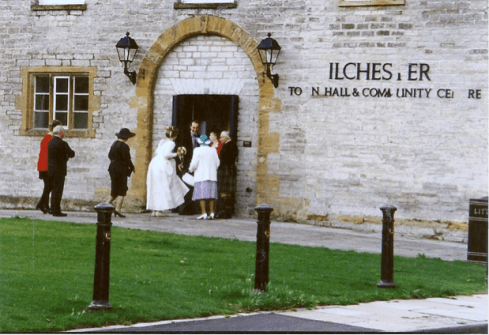
After the castle experience, and as we were driving through Sumerset, on our way to Manchester, we stopped in the small town of Ilchester to checkout some horses in a field, and to look at the roadmap.   We happened to look across the road, at a small church, where a wedding was about to take place.  DiVoran and I are always amazed, at how we seem to be casual witnesses to weddings in progress in many places around the world, during our travels.

1


As we headed north through the beautiful part of England known as the Lake District, we were awed by the many hews of delicate color that surrounded us.  There is something about the light in the Cotswold’s that gives everything a wonderful muted color, and makes everything look pristine.  We had made arrangements to meet some friends of our son Billy in Manchester, but they only had time to link up with us for a short visit at a restaurant close to the A60. 

2


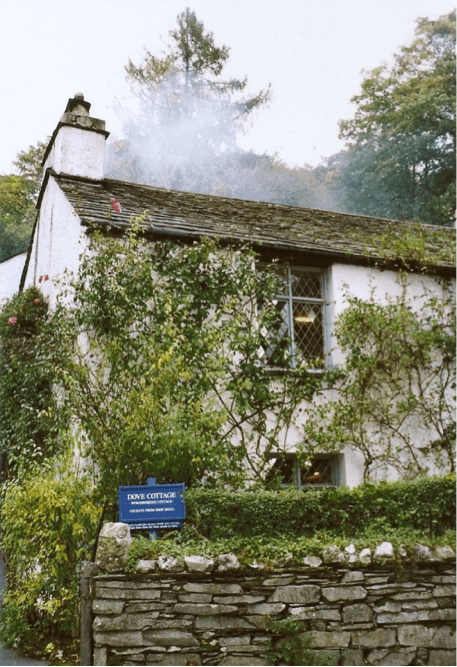
They had met Billy and Lisa at the Medieval Times Dinner & Tournament Show during their visit to Orlando the year before, and had asked us to stop and see them when we were in the UK.  We had a great visit, but it was just too short.  Then it was on north again to visit Dove Cottage, the home for a time, of the poet William Wordsworth and his sister Dorothy.  Dove Cottage is located on the edge of Grasmere in the Lake District of England.  As a writer and poet herself, DiVoran wanted to visit the homes of as many English writers and poets as she could during this trip.  She told me Wordsworth’s poem “I Wondered Lonely as a Cloud” was one of her favorites, and she had read it at least 100 times over the years.  It was interesting to me what a small start many of the English writers had when they were young, and didn’t publish much of anything until they were much older.  Many of them came from common backgrounds and struggled to get their work published, much like many writers all over the world today.

3


William Wordsworth was a major English Romantic poet who, along with Samuel Coleridge, helped to launch the Romantic Age in English literature, with the publication of the Lyrical Ballads in 1798.  William, Samuel and Dorothy  were very close their entire lives, and influenced each other’s writings.  Dorothy Wordsworth did not set out to be an author, and her writings consisted mostly of a series of letters, diary entries, poems and short stories. Dove Cottage seemed to be a very popular tourist stop the day we were there, and we shared afternoon “tea and crumpets” with a lovely English couple from Canterbury, who invited us to stop and see them on our way back down the eastern side of the country.

4


In 1791 Wordsworth met and wanted to marry a French woman, Annette Vallon, during a trip to France, but did not have the finances to support her.  However, he did have a daughter by Annette in 1792, but was forced to leave France because of the French Revolution, and he did not see Annette or his daughter Caroline again for 10 years.  In 1802, he returned to France with his fiancé, Mary Hutchinson, visiting Annette and Caroline in order to set up an allowance for them.  William and Mary were married later that year, and his sister Dorothy continued to live with them for many years.  England honored Wordsworth in 1843 by naming him Poet Laureate of England.  Wordsworth and his wife Mary were buried at the St. Oswald’s church in Grasmere with a very unobtrusive common headstone.

6


—–To Be Continued—–


Our Trip to the UK~Part 6

7 Jan

A Slice of Life

Bill Lites

Bill

 The B & B guidebook neglected to mention the fact that our next overnight stop was at a pig farm, and we found the smell was overwhelming.  But, we figured that since we would be gone most of the day, we could stand the smell long enough to get to sleep at night.  The rehearsal lasted a little longer than we had expected, and then we got lost in the fog on the way back to the B & B.  When we finally got there, we found our suitcases on the front stoop.  Our hostess informed us she had reserved her only room to a family (who weren’t sure when they would be there) before we got there, and now they had showed up and she felt obligated to give them the room.  She said she had made a reservation for us at a friend’s B & B down the road and she was expecting us.  We were just a little miffed, as you might expect, but the family was already asleep in our bed, so we loaded up our bags and went down the road.  When we got there, we couldn’t believe our eyes!  It was the nicest, cleanest accommodations we could have ever asked for.  We thought, “Isn’t God good to us, moving us to this beautiful B & B, and at the same price as that smelly pig farm.” 

1


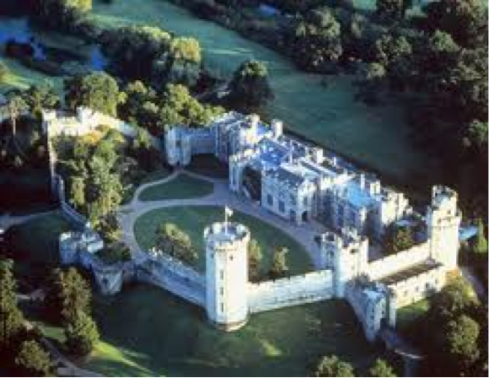
The next day we headed northeast, through some of the most beautiful and exquisite Welch towns and landscapes you can imagine, and then finally, crossed back into England.  This time we headed for the county town of Warwick, to visit one of the most famous English fortresses, Warwick castle.  Warwick Castle was a med-evil fortress, developed from an original fortress, built by William the Conqueror in 1068, and is situated at a bend in the River Avon in Warwickshire.   During the centuries that followed, the use and miss-use of the fortress and its lands traditionally belonged to the ruling Earl of Warwick, and served as a symbol of his power.  Then, during the 15th and 16th centuries, as ownership of the castle and the lands associated with the earldom were passed back and forth from various earls, and The Crown, portions of the fortress were slowly converted for use as a castle.  But, during much of this time no one in particular wanting to foot the cost of keeping up repairs or restoring the structures, so by 1600 the castle, ended up in a state of disrepair.

2


In 1604, Warwick castle and its lands were given to the Sir Fulke Greville (1st Lord Brooke) by James I.  Over the years, Greville spent  £20,000 (£3 million today) making many improvements to the castle, one being to  convert a portion of the castle into his residence, which was typical of many of the castle conversions taking place during that time period.

3


Individuals have been visiting the castle since the end of the 17th century, and this practice grew in importance through the 19th century.  Then, during the 20th century, successive earls expanded its tourism potential until, in 1978, after 374 years in the Greville family, it was sold to the Tussauds Group, a media and entertainment company,who opened it as a tourist attraction.

5


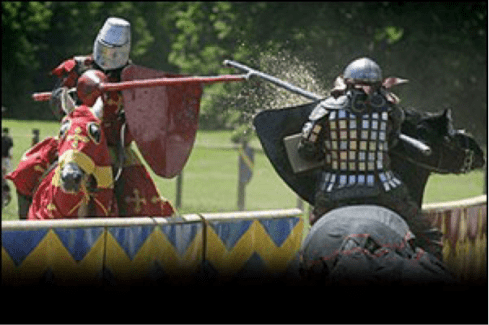
The castle tour was wonderful, with representations dating from mid-evil times to the early 20th century.  There were collections of mid-evil suits of armor and war weapons inside, and staged jousting matches on the courtyard grounds during the summer months, weather permitting.

6png


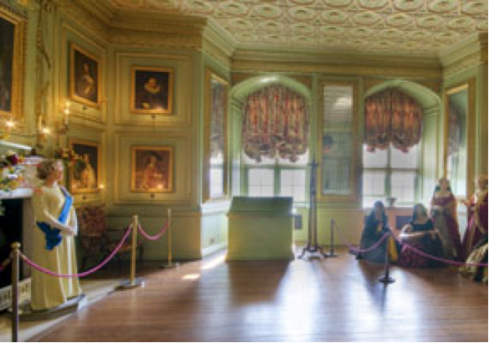
The interior rooms are decorated for various periods, with wax figures dressed in period attire, and even a recording of a famous opera singer in the grand ballroom.  The furnishings are beautiful and help one to get an idea of how the inhabitants lived and worked during the various times depicted.  As an example, in 1898, Frances Countess of Warwick, who was more affectionately known as Daisy, hosted a lavish weekend party for many of society’s elite, at the castle, in which the principal guest was the Prince of Wales, who would later become Edward VII.  Much of the Grand Ballroom authentic furniture and furnishings depict the grandeur that those guests would have experienced at such a party

7


DiVoran loved the various costumes, including the scene of a maid getting one of the children ready for his bath in one of the upstairs rooms.  As part of our tour, we climbed the 200 steps, to the top of one of the towers, and DiVoran thought she would never get her breath back.  Of course, it didn’t bither me a bit.

8


—–To Be Continued—–

Our Trip to the UK~Part 5

1 Jan

A Slice of Life

Bill Lites

Bill

Our Trip To The UK Part 5

By Bill Lites


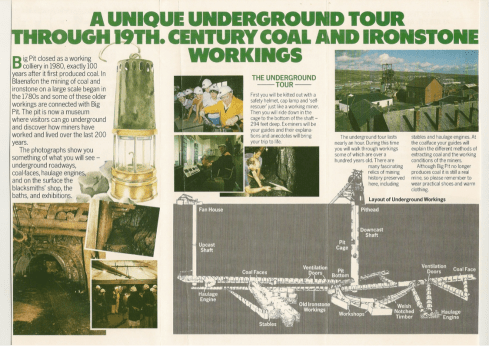
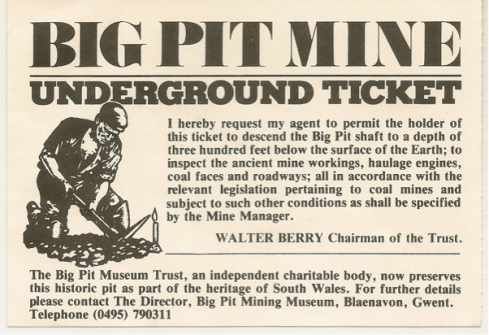
Now we headed north thru Patchway, and then west, across the Severn River, into Wales.  After passing thru Chepstow and Newport, we turned north again to visit the Big Pit Coalmine Museum near Blaenavon, in South Wales.  Because DiVoran’s father had once been a miner in Colorado, when she was young, we thought a tour of a real coalmine would help us understand what he had endured back then.  This turned out to be one of the most exciting experiences that either DiVoran or I had ever had.  The South Wales Coalfield, of which the Big Pit was a part, was at the height of its production between the 1880s and 1920s.

1

During the Great Depression of the 1920s & 1930s, the British coal industry went into terminal decline. The reduced demand for Welsh coal, and the increased competition from abroad placed an enormous strain on the industry.  A series of pit closures in the 1970s & 1980s had additional damaging effects on many communities that had, for many generations, relied on mining.  The Big Pit, Blaenavon’s last coalmine, closed in 1980.  It was opened as a museum in the late 1990s, and has gained in popularity ever since.

2

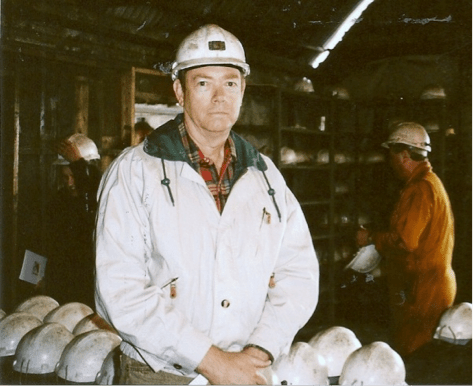
It was amazing to be lowered into the mine on the same elevator, and explore the same tunnels, that had been used by miners for generations.  One of the most fascinating areas, was the horse stalls, where the horses were kept, when not in use to move the coal cars around in the mine.

3                                   

The tour guide told us that the horses were only taken up to the surface once a year, and that they would run, jump and kick until they wore themselves out, just to be free of their confinement. It’s hard for me to see how they could ever get those horses back into that mine, once they had experienced a short period of freedom like that.

                                               4

When we finished our tour of the Big Pit Coalmine Museum, and returned to our car, there was this guy cleaning the car windows.  When I ask why he was cleaning our windows, he said he was raising money for his men’s choir to make a trip to America the next year.  Well, I was skeptical, but DiVoran had heard of Welch men’s choirs, and wanted to know all about their choir and their trip plans.  He told us the closest they would be to us during their tour would be in Charleston, SC, and we told him we would put that date on our calendar to come to their performance.          

5                                                                                                             

DiVoran told him that she had always wanted to hear a Welch men’s choir sing in concert.  After we all warmed up to each other a bit, he mentioned that their choir was rehearsing that evening, and invited us to come to the rehearsal.  We were thrilled to get the chance to hear them sing, and got directions to the church where there they would be practicing. The quaint town of Abergavenny, in Gwent, wasn’t far from the Big Pit Mine Museum, so we had time to look around some, and to still have time for a meal at the local pub, before locating the church for the rehearsal.

6


They called themselves “The Blaenavon Male Voice Choir”, and were known internationally. But let me tell you, these were some of the most warm-hearted men you would ever want to meet, and could they ever sing!  Even though it was only a rehearsal for them, and they had to stop and restart from time to time, it was still some of the most beautiful singing we had ever heard.   And, to think we were a private audience of only “two” for the whole performance!

7


Just as a note, when we got home, I told my sister Judy, and her husband Fred, who lived in Virginia at the time, about the choir tour and we planned to meet them in Charleston for the performance.  Then a week before we were to leave, I had to fly to California for an unscheduled Space Shuttle landing there, and was not able to meet them, for what they said was a marvelous performance.


—–To Be Continued—–

FROM ALL OF US AT OLD THINGS R NEW

Happy New Year animated

Our Trip to the UK~Part 4

26 Dec

A Slice of Life

Bill Lites

Bill Lites

Bill Lites

Our Trip To The UK Part 4

By Bill Lites

 There seemed to be a Pub close to most everywhere we stayed, and Whitmoor Farm was no exception.  Just down the road a short distance, was “The Nobody Inn” where many of the locals took their meals and a pint or two after work.  The food was always good, but the servings were larger than what is normally served in the U.S.   Even when DiVoran and I would share, there was still food left over, and we didn’t have anywhere to keep it over night. 

1

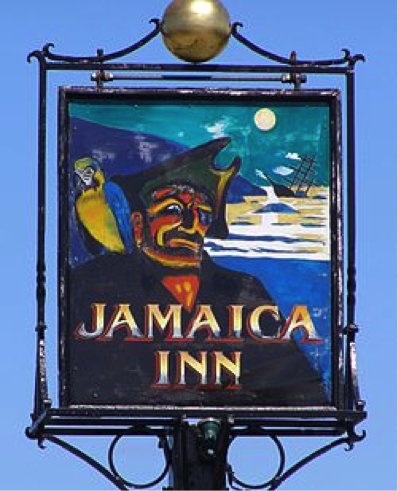
We headed west to the Cornwall area, intending to visit the home of Dame Daphne du Maurier in Kilmarth, where she lived and wrote many of her now famous books.  But, we ended up at the now famous Jamaica Inn and Museum, in the middle of the Bodmin Moor.  We had afternoon tea at the inn, while browsing the many posters and memorabilia they have collected, related to the famous Cornwall coastal area.  The Jamaica Inn, was originally established in 1750 as a Coaching House and staging post for changing horses during stagecoach runs over the moor.  The inn is known for being the base for smugglers in the past, and has also gained notoriety, for allegedly, being one of the most haunted places in Great Britain. It is also known as the setting for du Maurier’s novel by the same name, which was published in 1936.

2


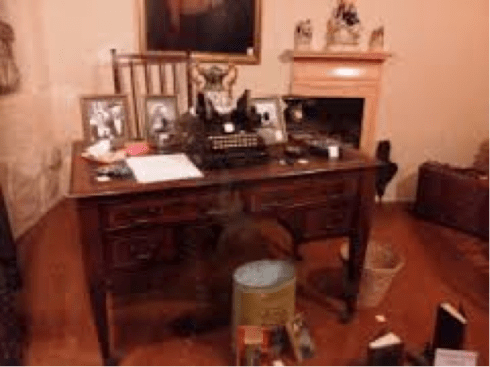
As you may know, du Maurier was known for her romantic suspense novels, such as Jamaica Inn, My Cousin Rachel, and The House on the Strand.  After we finished our tea, we visited the “Smugglers Museum” adjacent to the Inn.  The museum’s focus is its collection of smuggling artifacts that depicts the history of the Jamaica Inn and the inn’s role in the smuggling trade over the years.  The museum has also recreated a room that du Maurier used to do some of her writing, using various items owned by her, including her writing desk and typewriter.  This was all especially interesting for DiVoran, as du Maurier was, at one time, one of her favorite authors, and told me all about how her novels were filled with lots of smugglers and intrigue.  As an example, in her novel, Jamaica Inn, the plot follows a group of murderous wreckers who run ships aground, kill the sailors and steal their loot.          

3                                                          

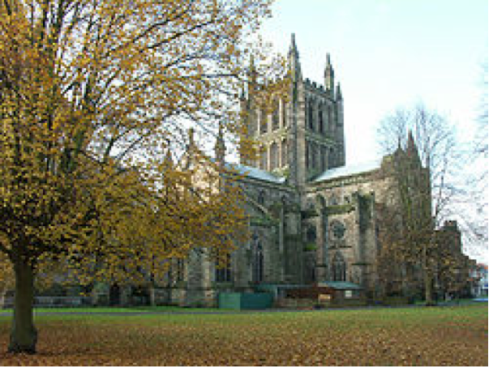
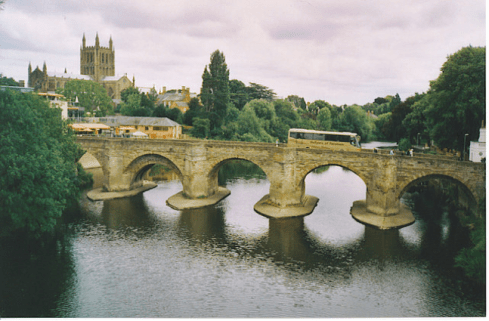
As we headed north, we stopped near the city of Bristol, and enjoyed the Dunan Guesthouse, where Sandra Devereux showed us a wonderful time and another wonderful typical English breakfast.  Then it was on north to the city of Hereford, located in Herefordshire, on the Wye River, to visit their cathedral and the surrounding area.  Hereford is another of the many, what in England is called a cathedral city, and is dominated by its beautiful 12th century Hereford Cathedral and many other city buildings and structures from that same time period.

4

 The name “Hereford” is said to come from the Anglo Saxon “here”, meaning an army or formation of soldiers, and the word “ford”, a place for crossing a river.  The Wye Bridge is said to be the first bridge built to span the Wye River and dates back to the 12th century.  Hereford is rich with history, and even claims to be the birthplace of Nell Gwyn, the 17th century actress and mistress of King Charles II of England. 

5


While visiting the city of Hereford and the Cathedral, we enjoyed all the comforts of another English B & B.   This time it was at the Webton Court Farmhouse, run by Mr. & Mrs. Andrews, who made DiVoran and me feel right at home, with a bountiful home cooked dinner, fit for a king and his queen.  What a wonderful time that was!


—–To Be Continued—–


Our Trip to the UK~Part 3

18 Dec

A Slice of Life

Bill Lites

Bill

Our Trip To The UK Part 3

By Bill Lites


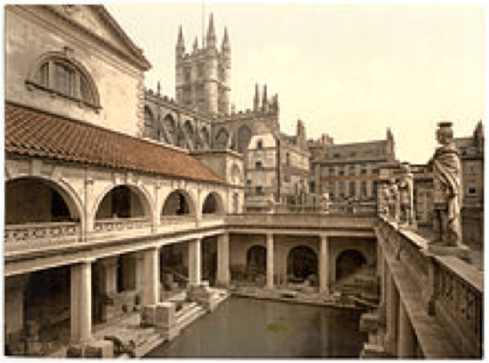
Now, We headed northwest to our next stop, to visit the city of Bath, best known for its famous hot springs.  The city was first established as a spa town about 60 AD, when the Romans built the famous baths around the hot springs.  Archaeological evidence shows that the site of the Roman Baths’ main spring may have been treated as a shrine by the Iron Age Britons, and dedicated to the goddess Sulis.  Messages to her scratched onto thin metal sheets, known as “Curse Tablets” or “Binding Spells” have been recovered from the springs and were used throughout the Greco-Roman world, as a method where someone would ask the gods to do harm to others.  For example, “May his body itch all over for the rest of your life.“  For a price, tourists can still buy a small copper “Curse Tablet” to scratch a curse on, and leave it in the hot springs for Sulis to read and act upon.  The Roman baths have been popular down through the ages, including the mention of “Taking the Waters” described in Charles Dickens’ novel The Pickwick Papers.

1

We visited the amazing “Museum of Costume” which displayed some of the most beautiful and elegant attire from the 18th century to the present (including dresses only Twiggy could wear).  Then we had afternoon tea and the famous Bath Buns at the Grand Pump Room, while being charmed by a soothing chamber ensemble.  One of the interesting features of the Pump Room was the small fountain of “Healing Water” that everyone was encouraged to sample.  It was said, that this water had great healing properties, and there were supposedly many testimonies of people being healed of all manner of ailments by drinking this water.  It had a very strong odor and taste of sulfur to me.  But then who am I to complain, if I’m being healed by drinking a small glass of smelly water.   Right?   DiVoran reminded me that the Pump Room was a favorite place for the author Jane Austin to visit and to set her characters into, and wondered if she ever drank the water?

2

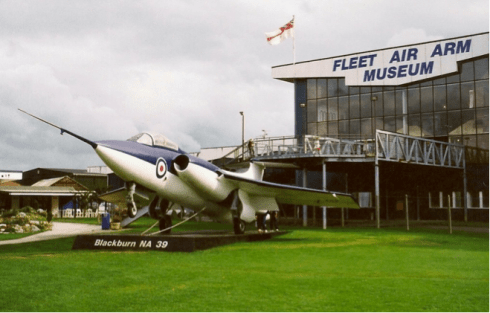
 Up the road a few miles from Bath, we came to one of the most interesting parts of the trip, to me, the “Fleet Air Arm Museum” in Yeovilton.  Now this is my kind of museum, lots of neat airplanes that you don’t usually see in U.S. aviation museums.  Of course DiVoran took a nice long nap in the car while I was browsing through the museum, admiring the wonderfully restored British Naval Aviation aircraft and their histories.  I’m not sure why they had the Concord 002 prototype aircraft, but it still had a lot of the flight test recording equipment installed in it, and visitors were allowed to walk through it at will.

3

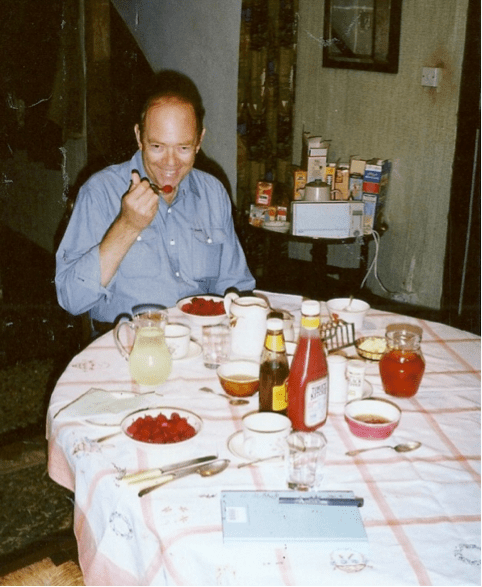
Most of the B & Bs we stayed at were very nice, but then there were a few that were great, and i just have to tell you about them.  The Whitmoor Farm in Doddiscombsleigh, near Exeter, was one of the nicer ones.  Mrs. Lacey was an older widow who ran the Whitmoor Farm B & B all by herself and did a wonderful job of making her guests feel special and at home in her home.  An example of her hospitality was that she would pick fresh raspberries for our breakfast each morning.  Yummm!  Raspberries and cream.  They were ripe, sweet, and oooh, so delicious!

4


—–To Be Continued—–