Archive | Bill Lites A Slice of Life- Wednesday RSS feed for this section

The Space Race~Part 4

17 Jun

A Slice of Life

Bill Lites

Bill Lites


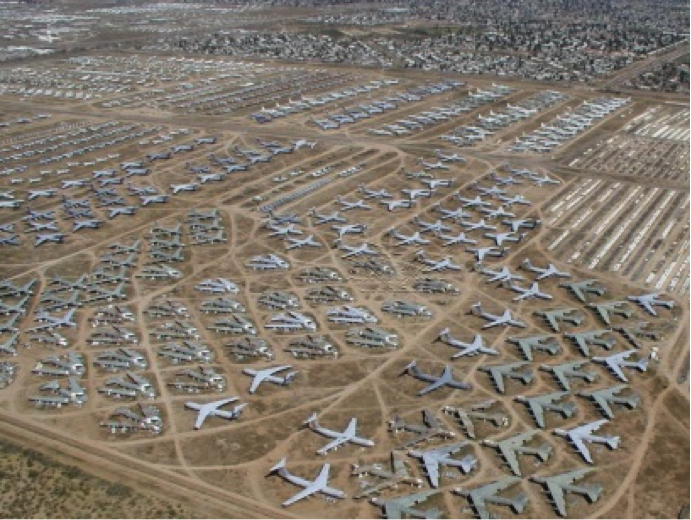
The most amazing aviation museum I visited last year was the “Pima Air & Space Museum and Boneyard in Tucson, Arizona. The museum is amazing, with 150 beautifully restored hangered aircraft, and another 150 static displayed aircraft of all types in their 80 acre outdoor area. That’s also where the U. S. Government has 300 acres of discontinued aircraft of all types (the boneyard) in storage or waiting to be scrapped. What an amazing array of aircraft that is!
1

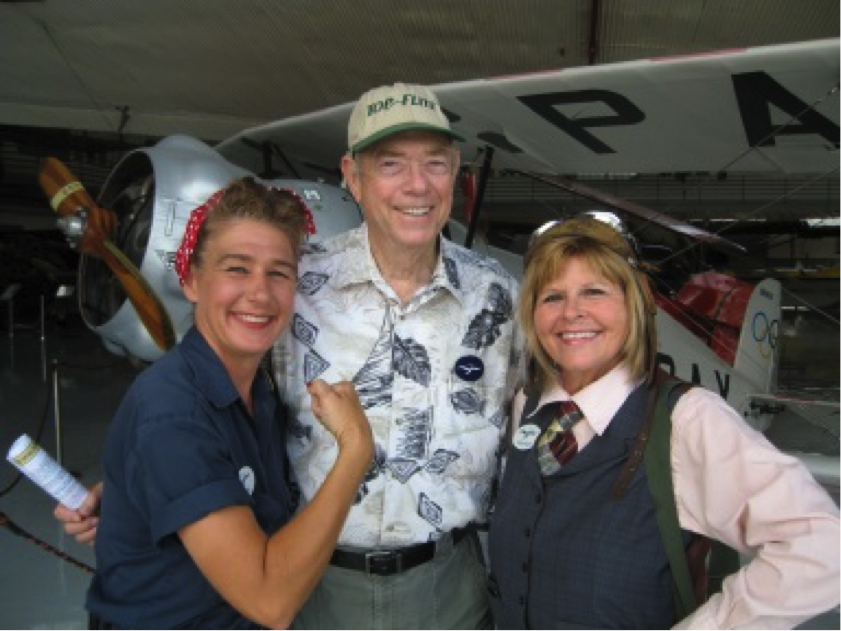
What makes a lot of these airshows and museums I visit really fun and stand out, is that many of the museum docents dress in period costumes and display a variety of period planes, vehicles and equipment. At one museum I visited, and that really stands out in my memory, is the Fantasy of Flight museum in Polk City, FL. That’s where I met “Rosie the Riveter” & “Penelope the Wing Walker” who were tour guides there and showed me around portions of their museum. What a special treat that is for visitors at that museum!
2

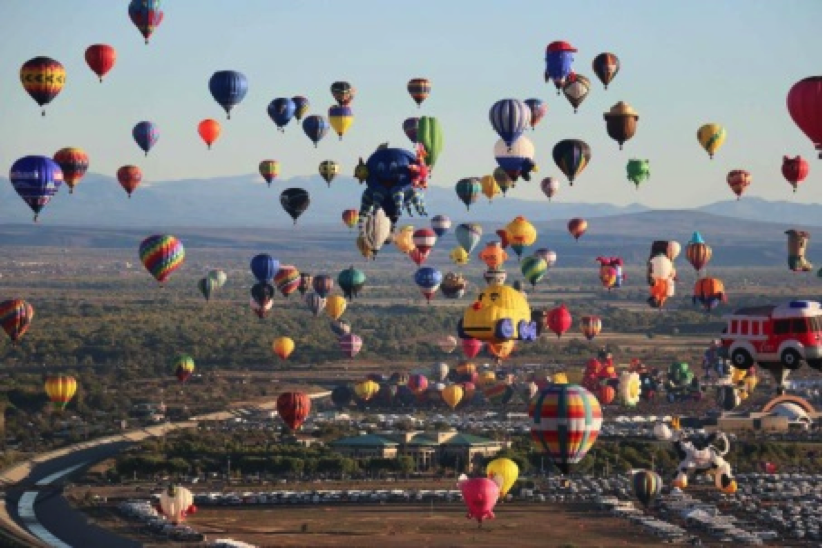
As a serendipity on one of my museum trips two years ago, I just happened to be in Albuquerque, NM during the week of their Annual Balloon Fest. Now if you have never attended a balloon fest or seen an IMAX movie of a balloon fest, I want to tell you, that is a spectacle to behold! Hundreds of colorful balloons of all shapes and sizes ascending into a usually beautiful clear blue sky at one time is absolutely spectacular! The Anderson-Abruzzo International Balloon Museum there in Albuquerque tells the history of how the balloon has evolved, from one of the first methods man used to venture into the sky, and over the centuries, to what the balloon hobby is today.
3

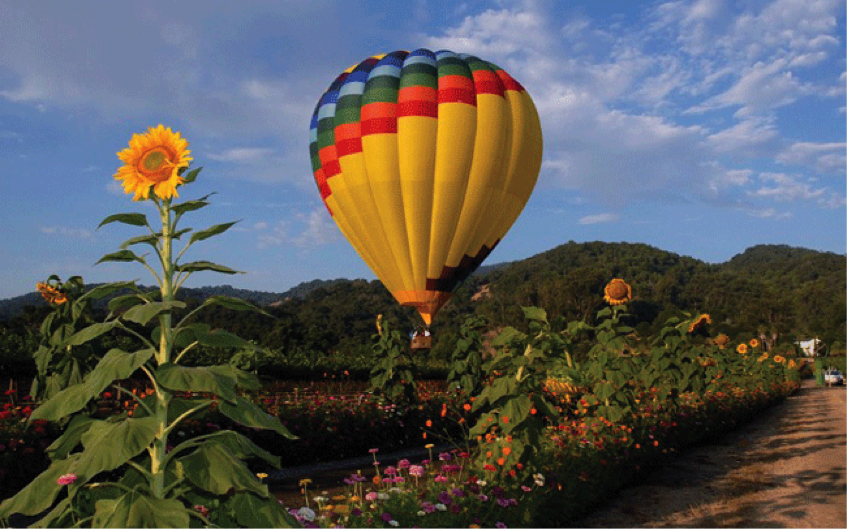
I was reminded of the 1967 song “Up, Up and Away” which starts off with, “Would you like to ride in my beautiful balloon…” which DiVoran and I actually did with her folks during one of our many visits to see them in California. It was the occasion of father’s 60th birthday, and her brother invited us to join them for the celebration with a wonderful balloon ride. What a thrill that was! It was very quiet and peaceful.
4

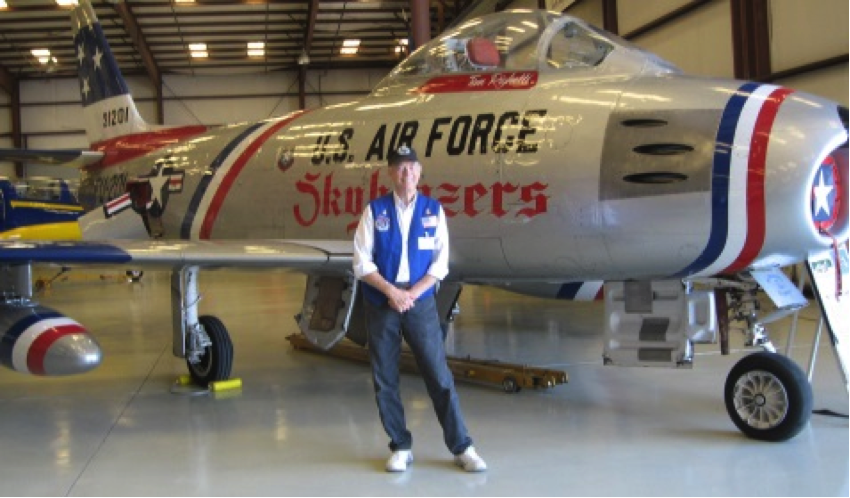
Since I can’t be on the road all the time, I stay close to the aviation community by being a volunteer tour guide at the Valiant Air Command Warbird Museum here in Titusville, FL.   Our small museum has 38 aircraft on display, 7 of which are flyable and 4 which are in one state or another of restoration, plus a vast array of military memorabilia. We even host our own Warbird Airshow every March, which brings a large variety of aircraft to our small TICO Airport & VAC Museum. Each airshow celebrates a different theme and usually includes at least one well-known flying demonstration team like the Thunderbirds or the Blue Angles.
5


                                                            —–To Be Continued—–

The Space Race~Part 2

3 Jun

A Slice of Life

 Bill Lites 

Then in 1961 I got a part–time job with the Missile Division of the Douglas Aircraft Co. in Santa Monica, CA as a design draftsman. One of the first projects I worked on was the U.S. Army’s Nike Zeus Anti-Missile Program. The most interesting job I was assigned to on that project, was to witness and evaluate 1st and 2nd stage booster motor case burst tests at the company’s Long Beach facility.

1

In 1962 I was transferred to a full-time drafting job on the Saturn S-4B Stage project that the Douglas Space Systems Division was designing and building for the Apollo/Saturn V moon rocket. This change caused me to have to continue my engineering education on a part-time basis at night school. What a drag that was. The school didn’t always have enough students to justify some of the classes I needed at night, so I had to take what I could get, when I could get it.

2

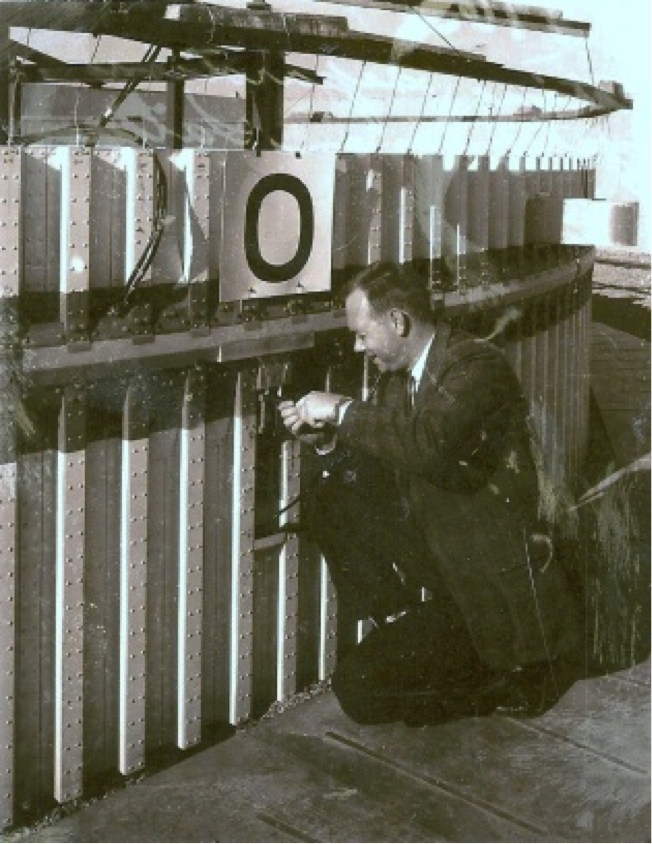
By 1963, and mainly because of the Space Race, the Southern California aerospace industry had been building up in many areas. One of my fellow students happen to be a supervisor at the North American Aviation, Inc. (NAA) Space Systems Division plant in Downey, CA.   He helped me get setup for an interview, and before I knew it, I was a full-time Associate Test Engineer with NAA in their Engineering Test Department.

3


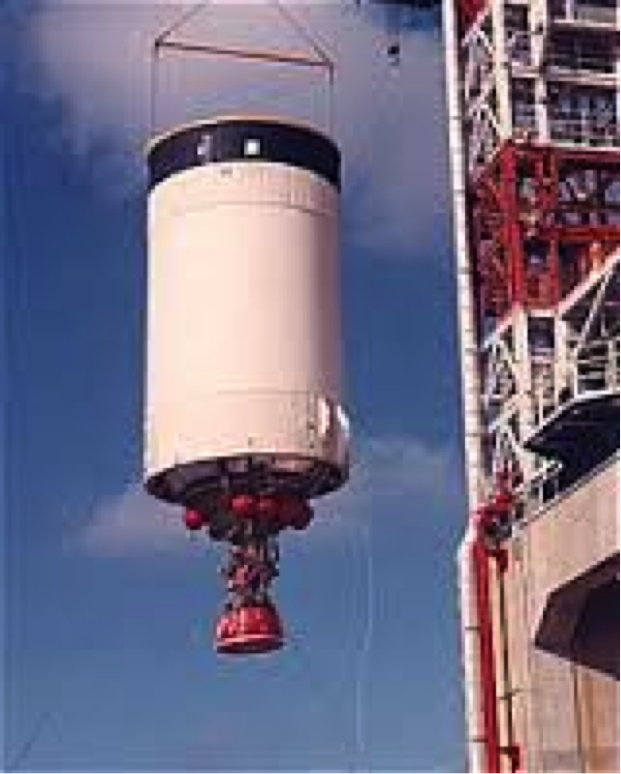
Even though NAA was well known as the company who built many famous WWII aircraft, such as the AT-6 Texan trainer, the P-51 Mustang fighter and the B-25 Mitchell bomber, this facility and my new job was purely space related and had nothing to do with aviation. However, I never lost my love of everything associated with aviation. I attended airshows and visited aviation museums every time I got a chance. By the time I graduated from NIT in 1965, my job had segued into a Field Test Engineering position. That’s when I was transferred to the Kennedy Space Center (KSC) in Florida to work on processing the Second Stage booster (S-II) of the giant Apollo/Saturn V Moon Rocket used to put the first U.S. astronauts on the moon. That was a thrilling time in U.S. history, and I am proud to have had a small part in that program.

4

After the Apollo Moon Landing program ended for me, in 1973, I was laid off. DiVoran and I didn’t want to return to the Los Angeles area, so I bounced around the local area doing different jobs, for different aerospace contractors, working on different aerospace programs, during those lean years for aerospace engineers in the central Florida area.

5

In 1975 I went to work for Lockheed Missiles & Space Co. (LMSC) on the U.S. Navy’s Trident I submarine launched ICBM development program at Complex 46 on Cape Canaveral. That program consisted of the assembling, testing and launching of 20 development missiles from a flat-pad, to qualify the missile for submarine launch operations and eventual duty in the Navy’s new nuclear submarine fleet. The new Ohio class nuclear submarines were modified to accept the smaller Trident I missiles.

6


                                                            —–To Be Continued—–

Lost and Found

20 May

A Slice of Life

Bill Lites

Bill Small Red Plane

This morning I was getting ready for a busy day making a list of things to do. I was heading to Merritt Island for my monthly Chiropractor appointment and had several things to do along the way. DiVoran wanted me to pick up some special cat treats at the animal pharmacy that the Vet had recommended. Then there was a small paper bag of empty supplement bottles she wanted me to drop off at another doctor’s office, and the Chiropractor appointment at 9:30. After my chiropractor appointment, I was going to stop at Penney’s to by some new undies for myself. All of this needed to take place before I made my way to Viera to meet my daughter Charlene for lunch at 12:00.

I have my daily prescription pills and vitamin supplements divided up into three groups. I take one group at each meal so they are not overwhelming all at once. When I go out for a meal I place that group’s pills in a small plastic bag that I can slip into my pocket, so I’ll have them to take after that meal. I also had a map I had marked up showing the route I planned to take on my next trip to show to my daughter at lunch.

1

 With all that done, I started taking things out to the car in preparation for my short little trip of the day. I got everything stowed in the car, but was missing the small bag of pills. I must have left them on the dining room table when I put them in the bag. But, they weren’t there. So, I started in the bedroom, and looked in every room in the house. They were nowhere to be found. I went to the car and looked through everything I was taking for the day. Not there either. I searched my pockets again. Nothing. Any of this sound familiar?

Well, about that time DiVoran came in and asked me what was wrong? I told her, and she casually said, “Have you asked your Friend where they are?” Duh. Why does it seem that this is the last thing I do, instead of the first thing? So, a little sheepishly, I thanked the Lord that I had misplaced the bag of pills, ask Him to forgive me for not putting Him first, and ask Him to please show me where I had left it.

I had been standing looking out of my bedroom window as I prayed. I turned around and walked across the room to my dresser. I opened the drawer where I keep the small empty plastic pill bags, and there was the bag with my lunch pills lying on top. What in the world would have prompted me to put that bag of pills back in the drawer? I just couldn’t figure out why I would have done that. Then it came to me. “I need to trust the Lord in all things, not just the big things, but the little things too.” I know He cares for us, and is always there to hear when we call out to Him to help us, but I tend to forget about that and try to do things myself. It’s not that I don’t trust Him. I guess it’s just that sometimes it’s such a small thing, and I’m sure I can handle it, that I don’t even think to ask Him first for the help I need.

But, each time something like this happens, it brings me a little closer to remembering to go to the Lord first, instead of muddling around in frustration on my own.


I Thessalonians 5:16-18(NIV)

South of the Border~Part 5

13 May

A Slice of Life

 Bill Lites

Bill Lites


Once all the dedication ceremonies were over, it was time for the teams to relax and celebrate. OSM had made arrangements for a cookout at the John 3:16 Church and we were all ready to do our part to help eat everything in sight. This was another opportunity for the entire group to praise God for His continued love, protection and provision toward us during this entire project

1

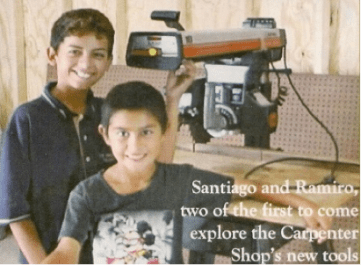
After we finished eating, several of us headed over to the Carpenter’s Shop to help assemble and setup some new equipment that had been recently donated. The young boys were especially excited about the new tools, and were wanting to know what each tool did and when they were going to get to work in the shop.

2

Early Saturday morning, after breakfast at the hotel, we packed up the vans and started the long trip back toward San Antonio. Our caravan took a short break just before we got to the border to visit the market in Piedras Negras, where I bought DiVoran a 4-foot long Rain Stick. It makes the most wonderful sound (like falling rain), and she still uses it every Sunday, when she sings with the Praise Team, during our morning church service here in Titusville.

3


Our border crossing was uneventful this time, and we arrived at the Kennedy ranch in time to enjoy a real American dinner (our first in a week) and boy was that a great meal. Some of us took time to wash some really dirty clothes, and enjoy the quiet surroundings of the ranch, until it was time to head back to the Retreat Center for a good night’s rest.

4

 Sunday, after breakfast, we drove a short distance over to attend a church service at a Cowboy Church (I can’t remember exactly where), which was quite an eye opener for me. It had to be one of the most informal and unusual church services I’ve ever attended. They really know how to praise the Lord in that church, and without any pretensions.

5

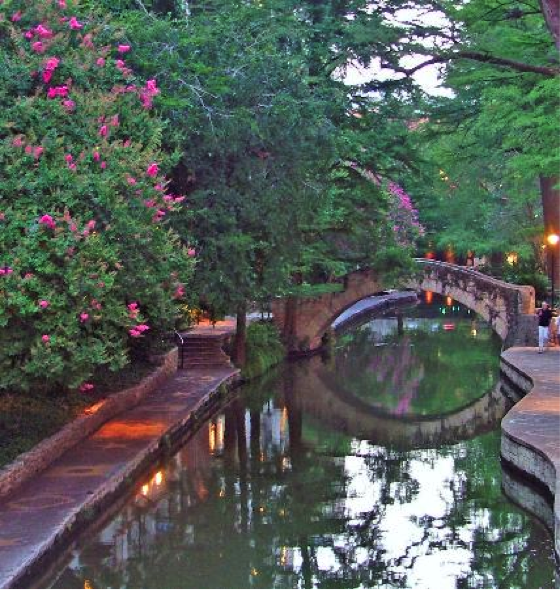
 Then we started working our way toward the airport by spending a short time at the beautiful River Walk, where we had a great lunch at one of the many nice restaurants located there along the San Antonio River. By the time we finished lunch, it was time to head for the airport, say our final good-bye’s, and get checked in for our flight back to Orlando.

6


I can say, I feel like that was one of the most rewarding weeks I have ever spent in my life. There is nothing like seeing the appreciative look on people’s faces when you hand them the keys to a house that they would never have been able to afford, or that they ever had expected someone would give them. If you can, you should try it sometime. I guarantee you will love the experience, and it will absolutely change your life forever. Our God is good, all the time.

—–The End—–


If you, your church or civic group would like to help the OSM with their ministry to the needy people of Mexico and Haiti, you can visit them for details on their website at www.onlyaservant.org or call them at 830-228-4809.

7


South of the Border~Part 3

29 Apr

A Slice of Life

 Bill Lites

Bill Stars Plane


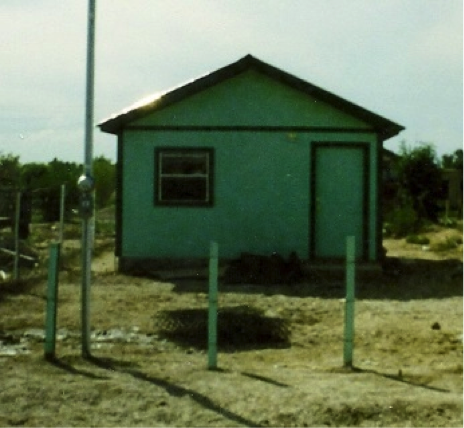
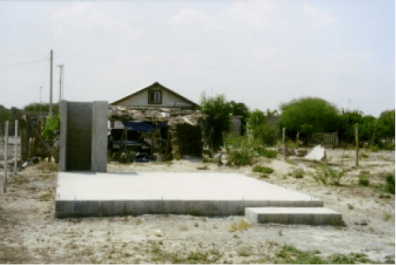
Tuesday morning after breakfast, we drove to the building site, where our visiting group was split up into two teams, with two Kennedy Team Leaders in each team to keep us on the right track, and we got started. Each team was assigned to build a house on their pre-finished slab, and the race was on to see who could finish first.

1


It was amazing how organized the Team Leaders were, as they assigned the various tasks to our team members. There were materials coordinators, wood cutters (my main job), wood shapers, painters and builders all working smoothly together at one time. A lot of the wood materials had been ordered cut to length, so the assembly process was fast and fairly easy.

2

The 2”x 4”walls were assembled on the slab, and then each was raised and braced in place, while being attached to the slab floor with pre-installed j-bolts, nuts and washers.

Next the joists were built (I had a hard time keeping up with all the angle cuts for our house on the chop saw) and the corrugated galvanized tin roofing was nailed in place. Once that was done, a plywood loft was built over the rear half of the house, where smaller family members could sleep. As you can see in the photo below, the tail-end of the joists were pre-painted (on the ground by the painters) to save time and reduce the use of troublesome ladders after assembly. As I mentioned earlier, this was also done with the soffit and fascia boards as well as the window and door trim.

5


Then heavy insulation was fastened in place between the joists, under the tin roof, and covered with plywood to help keep the loft area from getting so hot. A sturdy and child-safe ladder was built to give access to the loft area.

6


While the roof and loft work was going on topside, another team was drilling holes and running electrical wiring in the wall studs. Once that was done, the exterior plywood sheeting was nailed to the walls and gables, the window and door holes were cut, and the windows were installed.

7


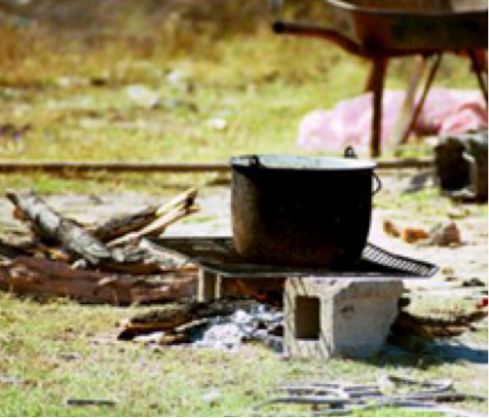
While all the time these activities were going on, the shaper team was busy at work cutting scalloped trim boards, and the painting team was busy painting window and door trim boards and the completed (ventilated) soffit and scalloped trim boards. The small (3’x 3’square) shower enclosure was plumbed (cold water only) to provide the much-needed hygiene that most of the colonia (unregulated settlement) dwellers did not have access to. I understand that a latrine system was used by the colonia families, but I don’t remember seeing it or being told about it at the time. The only toilet I ever saw or used was located next to the John 3:16 Church, and it was very small. A kitchen area was not designated in these houses, as the colonia families were accustomed to doing most of their cooking outside their “homes” and would most likely continue to do their cooking outdoors when the weather permitted doing so.

8


—–To Be Continued—–
 

South of the Border~Part 2

22 Apr

A Slice of Life

Bill Lites

Bill Small Red Plane


Monday we were up early for breakfast, after which we loaded up the vans and began the 175 mile drive to the border. Our caravan of vehicles stopped at Eagle Pass, TX for lunch (our last American meal for a week), and then it was across the border (Passport & luggage check) and on to our destination in a small colonia of Nava, Mexico which is located about halfway between Del Rio and Laredo, TX.


We had been supplied with detailed lists of things to take and not take (to help speed us at border crossings), as well as “Cautions” about not eating any food or drinking any water not provided by our hosts. This was to help keep the visiting groups in good working condition and keep us from coming down with a case of “Montezuma’s Revenge.” It was a long (but uneventful) trip, except for that short delay at the border crossing (I think the guards were looking for a “donation” to let us pass). The rest of the time was occupied with lots of singing and laughter in our van.

3


When we arrived at the colonia (small unregulated settlement), it was rather shocking for our visiting group to see the utter desolation and primitive conditions most of the local people lived in. The area had been picked clean of any possible building/covering material (no matter how small or flimsy) and used for shelter. In many cases, there didn’t seem to be any way to keep the weather (hot or cold/wind or rain) out of their shelters.


I had heard of people living in cardboard shacks, but as our hosts drove us around the area, explaining the basic layout, I mentioned to the woman sitting next to me, “It’s hard to believe people can actually survive in conditions like this!” All she and her friend could do was shake their heads in agreement.

After our long drive from San Antonio, it was getting late in the afternoon, so our hosts showed us some of the support structures they had built to help the local people and the colonia maintain a decent lifestyle. First there was the John 3:16 Church, where many different types of services were held each week, and where we would eat our lunch meal each day.

8

Next was the Dorcas House sewing center where some of the local women and girls were taught how to use the sewing machines, and the materials they were supplied with, to make clothing for their families and to sell.

9

And then there was the Carpenters Shop where some of the local men and boys were supplied tools and wood and taught how to build furniture for themselves and to sell. As a side note, I was interested to learn that all of the tools, wood, sewing machines and materials the local people have access to, have been donated to OSM for use as part of their ministry to help the colonia support itself.

10


After the tour, we headed to the small town of Allende where we checked into our hotel. Once we were checked in, we were taken to the local Methodist church where the gracious church members had prepared dinner and music for us.   The food was great and we all had a wonderful time getting acquainted, with lots of relaxing laughter, music and singing. After the festivities, a bunch of us strolled the streets of Allende, and even found an ice-cream parlor for some desert. Then it was back to the hotel for a good night’s sleep.

11


—–To Be Continued—–

South of the Border~Part 1

15 Apr

A Slice of Life

Bill LItes

Bill Stars Plane


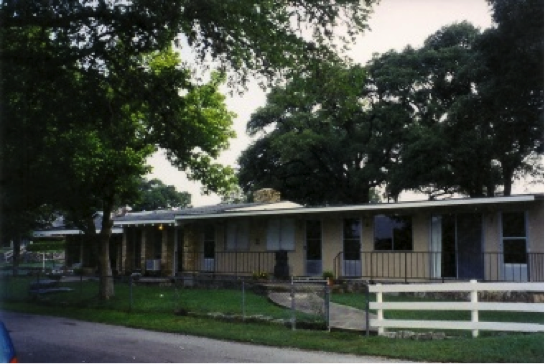
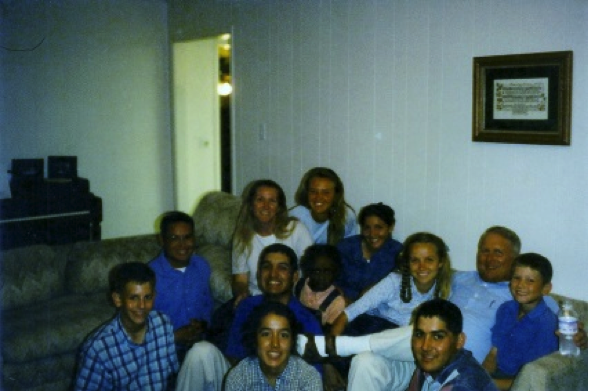
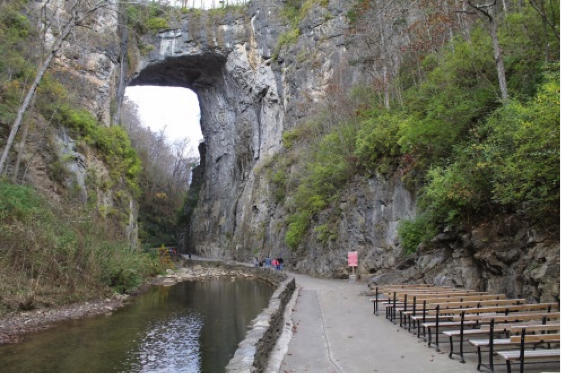
In the summer of 2002 our church here in Titusville, FL sponsored a construction project and trip to northeastern Mexico, to build houses for homeless people living in that area. A Christian family organization by the name of Only A Servant Ministries, Inc. (OSM) in San Antonio, Texas organizes the building project trips. Once the trip plans and funding have been finalized with a given visiting group, OSM coordinates locating the building sites, securing all the necessary local Mexican permits, and arranging for power and water to each building site. Then they clear the designated sites, dig the foundations, pour the slabs and buy all the necessary building materials for each visiting team they have arriving to build a very basic 16’ x 20’ house.   All of this is done ahead of the arrival date of the visiting groups, so that no time is taken away from the actual building time. They also schedule travel time to and from the building sites in Mexico, and arrange for all transportation, housing and food requirements for the visiting groups. It’s a huge coordination effort that they somehow managed to accomplish, sometimes as many as12-15 times each year. 1                                    For our particular trip, 23 of us left Orlando, FL on Saturday, and flew to San Antonio, TX where we were met by our OSM hosts, the Kennedy family. After we found all of our luggage, we had a quick lunch (nothing is very quick when you are dealing with 25 people) and then headed for the Singing Hills Retreat Center (about 45 minutes northeast of San Antonio), where we would spend the night. 2 After settling in, we had time to visit the Kennedy’s ranch compound (about 30 minutes from the retreat center), where we did some relaxing, and then some of our group helped prepare dinner for the large gathering (the Kennedys had 10 of their 13 children at home for that meal). After dinner, we had a wonderful time getting acquainted with everyone, before we headed back to the Retreat Center for a good night’s rest. 3 After breakfast Sunday morning, we traveled to the nearby Natural Bridge Park and attended a short church service in the park. After the church service, we toured the Natural Bridge Caverns, which were discovered in 1960, and get their name from the limestone slab bridge, which was formed when a sinkhole collapsed below it, and now spans the cavern’s entrance. These caverns are beautiful and said to be some of the largest commercial caverns in the United States. 4 After our tour, we stopped for lunch at the Alamo Café, and then took time for a short stroll on the famous River Walk which it is said evolved, over the years, from the aftermath of a 1921 flood of the San Antonio River. After that beautiful experience, we headed back to the Kennedy ranch for some free time. 5 Then, after dinner, our group all gathered around so Ken could give us a detailed pre-trip briefing about what we could expect during the next week’s activities. After the briefing, we were free to enjoy the serenity of the ranch and its surroundings before heading back to the Retreat Center and bed.

6

—–To be continued—–


My Colonial States Trip~Part 20

1 Apr

A Slice of Life

Bill Lites

Bill Rocket Plane


I started my last day of this trip with another attempt at visiting the First Baptist Church in America. I drove the 15 miles into Providence, RI and this time had no trouble driving right up to the church. I parked and walked across the street to take a picture of the church and read the plaque out front. Of course the church was closed at that time of the morning, so I just moved on to the next place I wanted to visit before leaving Providence.

1
It wasn’t far to the Roger Williams Museum and National Memorial where I learned what a dedicated individual Roger Williams really was. He originally came to this country in early 1631 with a group of Puritans, who landed in Boston, MA hoping to find religious freedom in the newly formed Massachusetts Bay Colony.

2

 He left Boston later that year to accept a ministry position offer in Salem, MA whose inhabitants believed more along the lines he did. When Salem withdrew their offer, Williams accepted an offer in Plymouth, MA for the same reason. By 1633 Williams was still at odds with local clergy over his “radical” beliefs (the separation of church and state) and the Massachusetts Bay Colony wanted him gone.

3

In 1636 his persecution as a “separatist” came to a head when the Massachusetts Bay Colony convicted him for his “new and dangerous opinions” with plans to deport him back to England. He fled south from Plymouth, some 50 miles or so, to spend time with the Wampanoag Indians, and later traveled to the headwaters of Narragansett Bay where he founded the colony of Providence (later to be called Rhode Island), on land deeded to him by the Narragansett Indians.

4

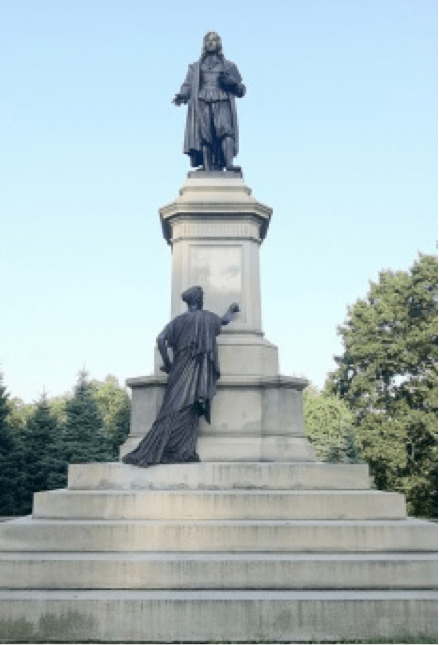
Williams established a trading post just south of Providence in 1637 and was instrumental in founding the First Baptist Church in America (which I referred to in Part 19 and above) in 1638. He returned to England in 1643 to secure a charter for the colony of Rhode Island, and again in 1651 to defend that charter against another grant that would have split the colony. In his later years Williams would succumb to ill-health, brought on by a lifetime dedicated to the colony he had founded and his struggling to keep it together, along with his constant battle with the “establishment” for religious freedom for all people everywhere. Below is a photo of the monument in Providence, dedicated to Williams with the figure of Clio (the muse of history) who is shown inscribing Williams’ name and the date (1636) when he founded the colony of Providence, which would later become the state of Rhode Island.


5


—–To Be Continued—–

My Colonial States Trip~Part 19

25 Mar

A Slice of Life

 Bill Lites


Next I headed east on SR #138 across Narragansett Bay to visit the Breakers and the Mansions of Newport, RI where I was surprised at the number of tourists there were lined up at the Newport Visitor Center trying to get on a tour bus ride of the area. The affluence of the area was brought home to me in an unusual way, when I stopped at a Shop-N-Go to pick up some granola bars. The first thing I noticed was the parking lot had an overabundance of expensive cars in it with names like Mercedes, BMW and Lexus. Then as I was walking the aisles looking for the granola bars, I saw this elegant looking woman, dressed in a beautiful flowing black silk dress, with her hair done up in some kind of fancy French looking hairstyle and 7-inch heels, pushing a shopping cart down the aisle. What a picture that was!

1


The Newport mansions were huge and unbelievably beautiful! They were too spread out for a walking tour (for me), and I didn’t want to take the time to go on a bus tour, so I just drove to a few of them, parked in their free parking areas, and toured outside the mansions and their grounds, taking photos. I had a brochure of all the different mansion locations, so was able to see several before I got bored with all that extravagance and moved on to the next museum on my list.

While I was in Newport I dropped by the White Horse Tavern just to say I had seen the oldest tavern building (1652) in the U.S. and get a photo of it. Over the years the building was expanded and used for other things, such as a boarding house and as a meeting house for the Rhode Island General Assembly. It’s rumored that a pirate (name unknown) ran the tavern operation during the early 18th century. It wasn’t actually named the “White Horse Tavern” until 1730, and during the American Revelation, Tories and British troops were quartered in the building around the time of the British occupation and the Battle of Rhode Island in 1778 (also known as the Battle of Quaker Hill).

5


Battleship Cove is a maritime museum located on the Taunton River in Fall River, Ma and is said to be the home of the world’s largest collection of naval vessels in one place. Included in the collection are the U.S. Battleship USS Massachusetts (BB-59), the U.S. Destroyer USS Joseph P. Kennedy, Jr. (DD-850), the U.S. Attack Submarine USS Lionfish (SS-298), the German Tarantul-class Corvette Hiddensee and the U.S. PT Boats, PT-617 and PT-796. As I mentioned earlier, since I have toured several U.S. Destroyers, Battleships and Submarines, my main interest at this museum was the PT Boats. I was impressed with their size, armament, speed and ability to go up against some of the enemy’s largest ships, sink them, and live to fight another day. It reminded me of the day I was walking with DiVoran in the woods near our house when I got too close to a wasp nest. I never saw the wasp that stung me and was gone before I knew what had hit me. I would guess that was just how some of those enemy ship’s captains must have felt like, after being torpedoed by a PT boat, and their ship beginning to sink under their feet. I can just hear them screaming, “What was that and where did they come from?”


—–To Be Continued—–


My Colonial States Trip Part 18

18 Mar

A Slice of Life

 Bill Lites

Bill Small Red Plane


I wanted to save plenty of time for visiting the Submarine Force Library & Museum in Groton, CT before they closed. This museum is the only submarine museum operated by the U.S. Navy and is the home of the USS Nautilus (SSN-571), the first nuclear powered submarine in the world.  

1


The museum also was a replica of the first submarine ever used in combat, David Bushnell’s Turtle, built in 1775; a WWII HA-8 Japanese Midget submarine and the Navy’s USS X-1 research submarine that was initially designed to operate using a special closed-loop hydrogen peroxide system to generate the oxygen the submarine’s diesel engine needed to operate while the ship was submerged.


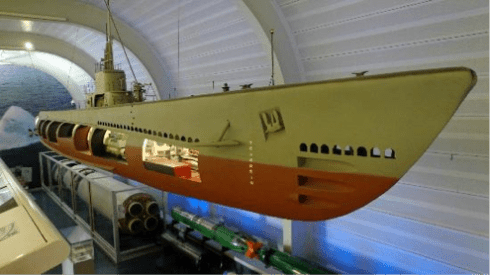
I was impressed with the 50 foot model of the USS Gato (SS-212), first of that class of submarine built by the U.S. Navy (thus carrying the class name) and was one of the typical classes of over 250 submarines built and used by the Navy during WWII. This beautifully detailed cut-away model shows all the different parts of the submarine, from bow to stern, were the crew lived and worked.

5


Next I drove up the coast a few miles to visit the Mystic Seaport Museum in Mystic, CT advertised as the largest maritime museum in the world. The museum is located on 17 acres just south of I-95 on the Mystic River and was the first living maritime museum in the United States (1929). The museum re-creates a 19th century seafaring village, with its historic sailing ships, boats and over 60 period structures that have been carefully restored. I was impressed with one of their main attractions, the last surviving whaling ship, the Charles W. Morgan.


     6                              

Since I was close to the town of Mystic, and I had looked them up on the internet as part of my trip research, I decided to try another lobster roll at the Ancient Mariner Restaurant in downtown Mystic. To my surprise, the town was in the middle of celebrating “Pirate Invasion Day” with people all over town (and in the restaurants) dressed up in Pirate costumes, running around looking for their next item in their Scavenger Hunt (or Geo Cache), and having a wonderful time, as the rain had finally let up. Then it was on up the road to the motel in Warwick, RI for a well-deserved rest after a 375 mile drive in the rain.

7


The next day was Sunday and I had planned to have a late breakfast and then attend the 11:00 service at the First Baptist Church in America in Providence, RI which was founded by Roger Williams in 1638. Williams had founded Providence in 1636 and had conducted church services in his home until 1638. For the next 60 years the congregation met outside, when the weather was nice, or in homes. The first service held in the current church building was in 1775 when the building was completed. Well, when I got to Providence some organization was having a 5-K Run right thru the area, and all the streets around the church were blocked off and the traffic was re-routed for blocks.

8


I finally gave up trying to get to the church, and headed for the Quonset Air Museum in North Kingston, RI where I found a small one-hanger museum with some unusual aircraft, not far from the Martha’s Vineyard Ferry landing. All of their aircraft were on static display, and not in what I would call beautifully restored condition. The guy behind the counter was very friendly and he told me all about the museum’s operations, after which we discussed our military service experiences at some length.

9


—–To Be Continued—–