Tag Archives: Travel Series

A 2016 Dawn Patrol Rendezvous Trip Part 6

8 Feb

A Slice of Life

 Bill Lites
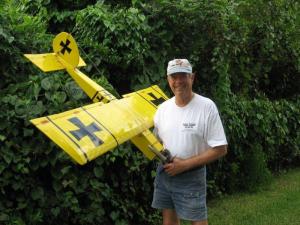
Bill Cross Plane


Day 6 (Tuesday, Oct. 4, 2016)
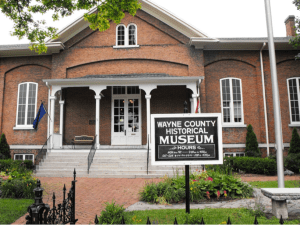
I headed west, out of Dayton this morning, on my way to visit the first museum on my list for today. The Wayne County Historical Museum is located just across the border, in Richmond, Indiana. This was one of the most interesting historical museums I have ever visited. Created by Julia Meek Gaar (at age 71) in 1930, she selected the 1865 Hicksite Quaker Meeting House for her museum. She filled the museum with many of the items she had purchased, over the years, during several of her worldwide trips.
 

1


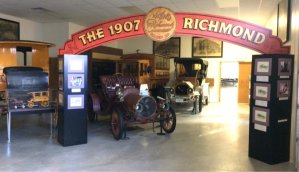
The Lindemuth collection was added to the museum in 1954. There were also automobiles and an airplane, included as part of the museum’s collection. Many of these items represented the early industrial years in and around the Richmond, Indiana area.
 

2


Just around the corner, there in Richmond, I visited the Model “T” Museum. This small museum displays 14 Model “T” Fords spanning the early years (1908 to 1927). This history of the Model “T” production industry provided me with many new and interesting details about the early manufacturing processes, and body style variations, of Henry Ford’s Model “T” automobiles.

3


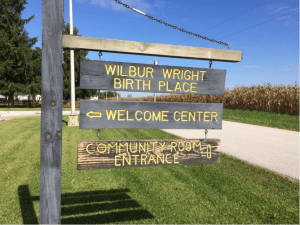
Next on the list today, was a visit to the Wilbur Wright Birthplace & Museum in Hagerstown, Indiana. Born in 1867 Wilbur said, later in life, that he and Orville were initially drawn to an early interest in aviation by a toy helicopter (based on an invention by French aeronautical pioneer Alphonse Penaud), that their father gave them as a gift when he was 11 years old.
 

4


Wilbur and Orville of course, went on to improve on the design as their interest in aerodynamics grew, and their creativity turned out to be endless. I was also interested to learn that Wilbur Wright’s father was a traveling minister in the Ohio region during the middle to late 1800s. As it happens, my grandfather was also a traveling minister, in Louisana, about that same time period.


5


Just a few miles north I visited the National Model Aviation Museum in Muncie, Indiana. Even though the National Model Aviation Association headquarters is located on a 1000+ acre site, I was surprised to see how small the headquarters and museum buildings were. I was however, impressed with the museum’s collection of model aircraft and model aircraft engines, dating from the early 1900s.


6


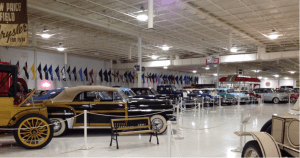
Next on the list was a visit to the Kokomo Automotive Heritage Museum located in Kokomo, Indiana. This was a very impressive museum that displayed 300+ beautifully restored automobiles, from many different manufactures, dating from the early 1900s to approximately 1970.
 

7png
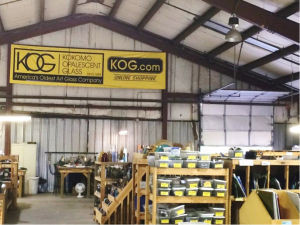
The Kokomo Opalescent Glass Company was located just down the street from the Kokomo Automotive Museum there in Kokomo. This glass company prides itself in the creation of beautiful original stain glass windows, decorative art pieces, and blown glass creations. I was unable to get a tour of the factory while normal working operations were going on, but I did talk to one of the stain glass workers at length, about how the glass company created custom orders and speculation pieces.
 

8


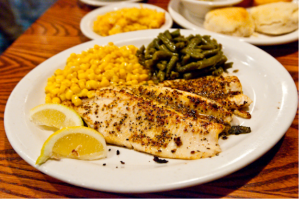
Dinner tonight was a great meal, at the local Kokomo Cracker Barrel restaurant, where I had their grilled catfish, green beans, sweet corn, and one of their famous biscuits with honey for dessert. Yummy! There was plenty left over for a repeat tomorrow evening. Double yummy!
 

9


—–To Be Continued—–

A 2016 Dawn Patrol Rendezvous Trip~Part 5

1 Feb

A Slice of Life

Bill Lites


Day 5 (Monday, Oct. 3, 2016)
Since I had attended the 2016 Dawn Patrol Rendezvous Airshow, and seen the many existing and new aircraft additions at the Museum of the United States Air Force (my two main reasons for this trip), I was a little ahead of my planned schedule for today. So, I decided to visit several local Wright Brothers affiliated locations there in Dayton. First on the list, was to check out the Huffman Prairie Interpretive Center located just down the road a short drive from the USAF Museum. The Center’s exhibits and films focus on the early achievements of the Wright Brothers, that took place at the nearby Huffman Prairie Flying Field.


1


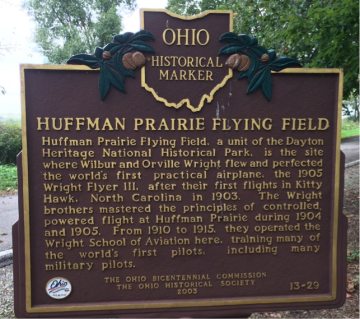
Next I drove over to the Huffman Prairie Flying Field, to see the actual field where Orville and Wilber performed about 150 flights during 1904 & 1905. This effort is what led to the development of the 1905 Wright Flyer III, which they considered to be the first practical airplane (the original 1905 Flyer III is now housed at the Wright Brothers Aviation Center).


2


Now I made my way a few miles south, to visit the Dayton Aviation Heritage National Historical Park.  This Park commemorates three of the important aviation historical figures; the Wright Brothers and Paul Laurence Dunbar, and how their lives came together.


3


The center also exhibits re-creations of the Wright Brothers engineering office, work shop, and one of the Wright Brothers bicycle shops across the walkway.


4


A short distance west across I-75 I visited the Wright Brothers Aviation Center, located in the Carillon Historical Park. This is where the original 1905 Flyer III is housed, along with many other Wright Brothers artifacts.


5


The beautifully restored 65 acre Carillon Historical Park is home to many historic buildings and exhibits, associated with the history of technology that has taken place in and around the Dayton area. It also honors the contributions of the many Dayton residents who have been part of that history, dating from 1796 to the present.


6


After leaving Carillon Park, I swung around a few blocks to check out the historic Patterson Homestead. This beautifully restored mansion was built by Robert Patterson on part of the 2038 acre Rubicon farm, where three generations of Patterson’s lived. As it turned out, Patterson’s grandsons, John and Frank Patterson , who also lived in the house as young children, would eventually go on to found the National Cash Register Company (now NCR Corporation) in 1884. I wasn’t interested in touring another mansion today, so I opted to head for the next museum on my list for today.


7


Now it was back across I-75 a few blocks, to take a look at the Paul Laurence Dunbar house. This was the home, for a short while, of the famous African-American poet, that in 1890 wrote and edited The Tattler, Dayton’s first weekly African-American newspaper. As it happened, Dunbar’s newspaper was printed by his high-school acquaintances Orville and Wilbur Wright in their fledgling printing company.


8


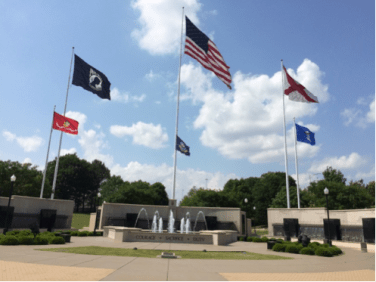
Next I stopped by the Veteran’s Memorial Park there in Dayton to take a photo of the Park. I was impressed with the mottos of the various U.S. Military Services. I had not remembered that each of the services was originally created in 1775 to fight the Revolutionary War.

Since things were going quickly, and I had run out of things to see in the Dayton area, I decided to head south to Cincinnati, Ohio. I had never been to Cincinnati, and since it was only about 40 miles south of my last stop, I thought I would drive down and have lunch there and see what things of interest I could come across.


10


While I was having lunch I Googled “Things to Do in Cincinnati” and one of the first things to catch my eye was the National Underground Railroad Freedom Center. But when I got there the center was closed.


11


Another place of interest was the Cincinnati Union Terminal, which was listed as one of the Great American Stations. I have to admit the beautifully designed Art Deco terminal building was something to see. But as an active train station, it only had room to display a small amount of Cincinnati Union Station historical memorabilia.


12


Next I tried the Cincinnati Fire Museum, not too far down the road, but like a lot of museums that stay open on Saturdays and Sundays, they were closed. This was a small building and I’m sure they would not have had room for a large display.


13


Just a few miles away I checked out the Greater Cincinnati Police Museum, but here again this was another “Closed on Mondays” museum. As a matter of fact, there didn’t seem to be much of anything going on in Cincinnati today.


14


Well, my score for places to see in Cincinnati wasn’t going too well, and it was getting on in the afternoon, so I headed back to Dayton. Greta took me on some backroads on the way, and as I rounded one bend, I saw the strangest structure I believe I have ever seen adjacent to a farmhouse. I couldn’t begin to describe it. You will just have to guess what it is, like I did. Stretches your imagination doesn’t it?


15


By now, it was time to head for the motel and warm up my wonderfully delicious repeat of the El Morro Special Mexican dinner from last night. Yummm!


16


—–To Be Continued—–


My 2016 Dawn Patrol Rendezvous Trip~Part 4

25 Jan

A Slice of Life

Bill Lites

Day 4 (Sunday, Oct. 2, 2016)
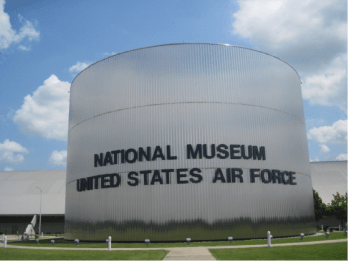
I was up early today in order to make the drive to the National Museum of the USAF here in Dayton, Ohio. I knew I was going to spend a lot of time at this museum today, and because of that, I wanted to be one of the first to get one of the many electric carts they provide for visitors with bad knees like mine.


1


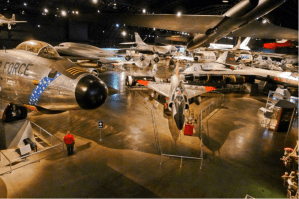
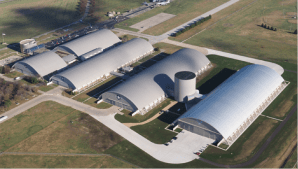
I believe this is the largest military aviation museum in the world, with 360+ aircraft, and is laid out (mostly) chronologically in four huge hangers. All of the aircraft in this museum have been beautifully restored, and displayed, in such a manner to allow photographs to be taken from the best possible angles. In the first Hanger, are aircraft examples from the beginning of American aviation history, through those used during World War I (The Early Years Gallery).


2

 The Early Years Gallery


And then, there are the huge variety of aircraft used by the USAF during the WW II years, which are displayed in the (World War II Gallery).


3

World War II Gallery


The second Hanger, consists of aircraft used by the USAF during the Korean War, and are located in the (Korean War Gallery).


4

Korean War Gallery


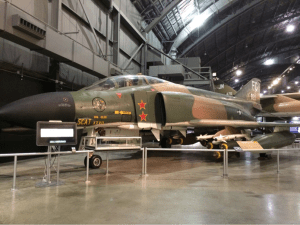
The aircraft used by the USAF during the Vietnam War era, are also located the second hanger, in the (Southeast Asia War Gallery).


5

Southeast Asia War Gallery


The third Hanger houses a large variety of aircraft used by the USAF during the Cold War era, and are located in the (Cold War Gallery). Also located in the third Hanger are many of the modern aircraft being used by the USAF as part of their current operations.


6

Cold War Gallery


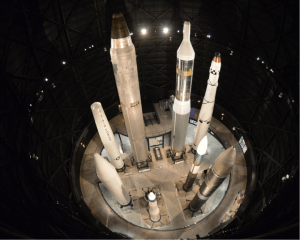
The third and fourth Hangers are separated by the (Missile Gallery), which displays many of the USAF offensive and defensive rockets and missiles which have been developed and deployed over the years.


7

Missile Gallery


The huge new fourth Hanger houses aircraft used by past U.S. Presidents while in office, from Franklin D. Roosevelt to Bill Clinton, and are located in the (Presidential Gallery).


8

Presidential Gallery


The many different types of aircraft used by the USAF Airlift Command, to move personnel and equipment where needed around the world, are located in the (Global Reach Gallery) of the fourth Hanger.


10

Global Reach Gallery


There is a Space Shuttle Exhibit, including the CCT-1 Crew Compartment Trainer, various satellites, and a Titan IVB Rocket located in the (Space Gallery) section of the fourth Hanger.


11

Space Gallery


The museum’s largest aircraft, the XB-70, and other aerospace related vehicles that the USAF has sponsored, for research and development projects, over the years are located in the (Research & Development Gallery) of the fourth Hanger.


12

Research & Development Gallery


The majority of these aircraft had been on display somewhere in one of the three hangers, or outside, the first time I visited the USAF museum in 2009. With the opening of the new fourth hanger in 2016, many had been rearranged or relocated to new areas within the four hangers. As a result, it did not take me as long to go through, and view all the aircraft in the four hangers, as I had originally expected. It still took most of the day to see everything.


13


Since many of the Wright Brothers aviation historical points of interest here in Dayton are close together, I spent the rest of the afternoon visiting as many of those locations as time allowed. These short visits to many of the sites on the “Aviation Trail” included stops at the Dayton Aviation Heritage Historical Park, the Huffman Prairie Flying Field, the Wright Brothers Aviation Center, and the Aviation Trail Museum. Stay tuned for details about these visits in tomorrow’s blog.


14


On the way back to the motel I stopped in Englewood, Ohio for a delicious meal at the Cazadores Mexican Food Cantina. Their EL Morro Special, consisted of grilled chicken strips cooked with pineapple and Mexican pork sausage, topped with shredded cheese and fresh green onions, served over a flower tortilla. I had a small side salad with guacamole and sour cream. The combination made for an outstanding meal. Then I topped it off with a dish of Mexican Flan for dessert.


15


—–To Be Continued—–


A 2016 Dawn Patrol Rendezvous~Part 1

4 Jan

A Slice of Life

Bill Lites

1

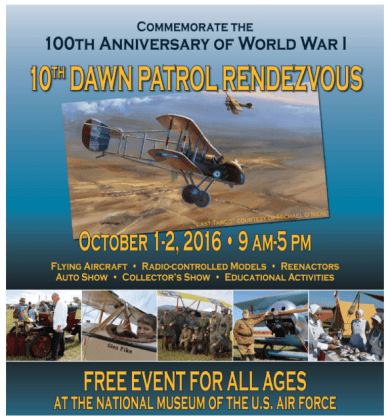
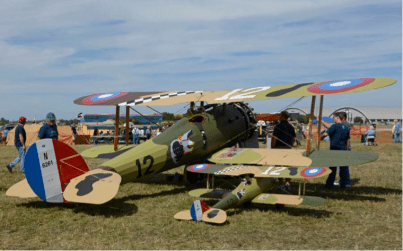
The name for this series of blogs is the main subject of my most recent road-trip. Every two years, several WWI enthusiast groups come together to put on what is called the “WWI Dawn Patrol Rendezvous” airshow. This fabulous event takes place adjacent to the USAF Museum located in Dayton, Ohio. They have full scale WWI flying replica aircraft, German, British and American field hospital re-enactors, restored WWI vehicles, and all types of WWI memorabilia for sale.


1


The local model airplane club brings and flies many of their ¼-scale WWI R/C model airplanes. This sounded like just the kind of event I was looking for as the main attraction for my next road-trip. Since I found several museums to visit in the Columbus area, I gave myself a couple of days before the air show, to scout them out and then get over to, and situated in, Dayton for the October 1-2 “WWI Dawn Patrol Rendezvous” air show.


3


Day 1 (Thursday 9/29/2016)


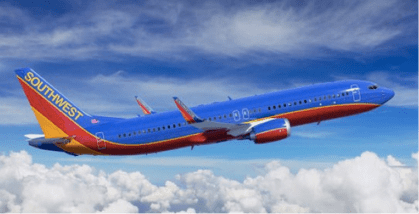
My Orlando airport check-in and security check this morning was a breeze, compared to my last trip (I’ll never fly on Friday again). The Southwest Airlines flight to Columbus, Ohio was smooth and we arrived right on time. (I flew non-stop to Columbus, not available to Dayton). Baggage claim at the small Columbus airport was a little slow, but not a real problem.


4


I took a shuttle bus from the airport to the Days Inn hotel, and called Enterprise Rent-A-Car (the “We’ll Pick You Up” guys) for a free pick-up from the hotel. Somehow my reservation turned out to be at a different Enterprise office from where I expected to rent my car. They said the hotel location was outside the radius for their office pick-up (?).  They told me they would transfer my reservation to a closer office for the pick-up.


5


It took them some time to do the transfer, work out all the details, and get a car to the hotel to pick me up. After finalizing the rental agreement I put my bags in the car and was getting ready to leave, when I noticed that this car did not have cruise control. The agent wanted to increase the rental price for a car with cruise control, but I told the manager that I had requested a car with cruise control at the price they quoted. He was kind enough to switch cars for me at the same price.


6


It had taken me longer to get from the airport, and rent my car than it had taken me to fly from Orlando to Columbus! I plugged in “Greta” (my Garmin), and we headed for the Wagner & Hagans Auto Museum located there in Columbus. This was a small museum of approximately 20 cars, consisting of several early 1930s Packard automobiles and 1950s Classic cars. Steve Wagner gave four of us a private tour of his and Mark Hagans Collection.


Steve informed us, that the cars there in the museum were only half of their collection. He explained that they only had room for the cars displayed, and had to rotate the others into the museum from time to time.


8


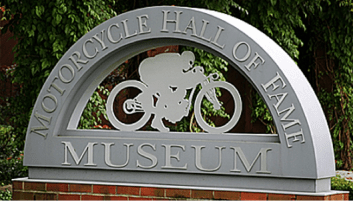
Next on the list for today was a visit to the Motorcycle Hall of Fame located in Pickerington, Ohio. This was a large two-level museum, displaying hundreds of motorcycles of all makes and models. The majority of the museum’s collection, were modern dirt bikes and racing bikes. This museum reminded me of the recent mini-series I watched titled “Harley and the Davidson’s” except there were very few vintage motorcycles in the museum.


9


Now I headed south to visit the McDorman Automotive Museum located in Canal Winchester, Ohio. This is a small museum created by Bob McDorman, who was a local Columbus Chevrolet dealer for years, and known for his Corvette collection.


10


As it turned out, this museum was closed, even though their sign out front said they were open Wednesday-Saturday 1:00-5:00.

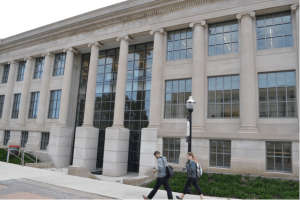
Next it was on over to visit the Billy Ireland Cartoon Library & Museum, which is an American cartoon & comic art museum affiliated with the Ohio State University library system. The location of the museum/library, there in the bustling university area, made it impossible to find a place to park, much less avoiding almost running over six or more students. So, I just took a picture of the library building and headed for the next museum on my list for today.


11


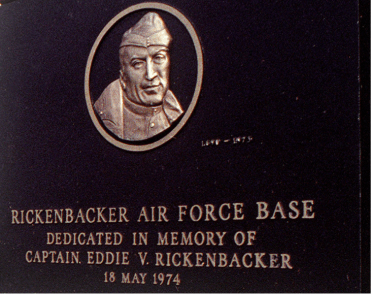
A few miles south, I wanted to visit the Rickenbacker Airport, to see if I could find the Rickenbacker ANG Museum that I assumed would be close to the airport. Well, the museum was nowhere to be found, and there were no signs to indicate that the museum was anywhere close. I guess I’ll have to Google the museum again for better details when I get a chance.


12


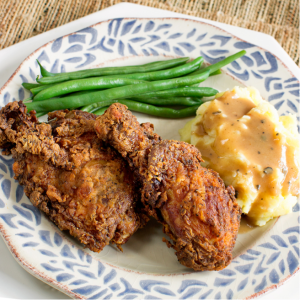
By now it was getting late, and I headed for the tonight’s motel located in Obetz, Ohio. On the way I saw a Kentucky Fried Chicken restaurant, and decided to have dinner with Colonel Sanders this evening. Boy, do I like their fried chicken! I had their two piece dinner with green beans, mashed potatoes & gravy, and a biscuit and honey for desert. Yummm!


13


—–To Be Continued—–


My 2016 Mid-West Trip~Part 17

26 Oct

A Slice of Life

 Bill Lites


Day 17 (Monday)

I had left a wakeup call, with the motel desk clerk, for 6:00 AM, but was awakened at 5:53 AM by the loud slamming of a door across the hall. I got up and shaved, showered, dressed and had a cup of yogurt, when at 7:05 the phone rang with my wakeup call. Good thing I wasn’t on a tight time schedule!


1


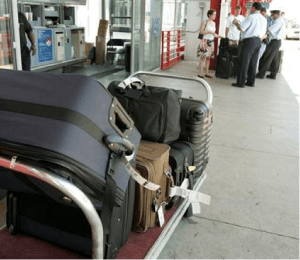
I finished packing and was ready to leave the motel, for the airport, by 8:15 AM. I had made a test run to the Louis Armstrong New Orleans International Airport the night before, so I wouldn’t fall for one of Greta’s wild goose chases this morning, and possibly miss my flight. The morning traffic wasn’t too bad, and the trip was uneventful. I didn’t want to have to roll my suitcase that long distance from the Thrifty Rental Car return to the main airport lobby, so I stopped on the “Departures” ramp long enough to use the Southwest Airlines curbside check-in (nothing like the mess I had to endure at the Orlando airport on the day I left on this trip).


2

All went well and I was on my way to return my rental car. Rental car return was a breeze and I even got a courtesy ride from the rental car building to the main airport lobby.


3


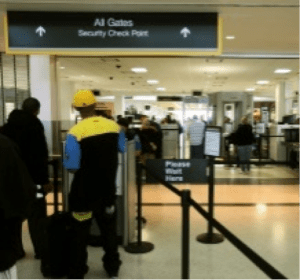
I had checked-in for my flight online the night before, and had printed my boarding pass, so I didn’t have to check in at the Southwest ticket counter. I stopped and had another cup of Yogurt and an apple before going through security. I couldn’t believe how easy and quick the security check was! I arrived at my departure gate at 9:15 AM.


4


Boarding for my flight to Orlando began at 9:45 AM and we were pushing back from the gate, right on time, at 10:10 AM. The one hour and 20 minute Southwest non-stopped flight, from New Orleans to Orlando, went very quickly and very smoothly until we approached Orlando International Airport, at which time the cloud cover caused considerable turbulence until just before we landed.


5


DiVoran picked me up and we headed for SR-436 to find a place for lunch. As luck would have it, we spotted a Panera’s Bread restaurant and enjoyed a great lunch while we caught up on what we each had missed during the last 17 days.

It sure was good to get home and have time to take a nap for a change. I missed a lot of those on this trip and will have to get caught up on my rest before I think about considering another trip anytime soon. Hope you enjoyed this trip as much as I did. See you next time for my next road trip adventure.


6


—–The End—–


My 2016 Mid-West Trip~Part 16

19 Oct

A Slice of Life

Bill Lites


Day 16 (Sunday)


I began the day with a nice drive west on I-10 from Mobile to Gulfport, Mississippi. Since it was Sunday, I didn’t expect any of the museums to be open, and most of them were not. But I wanted to take a look at their locations anyway. My first stop was to check out the Busted Wrench Garage & Museum there at Gulfport. The building was closed and very small, and didn’t look big enough to house a lot of cars. But, when I Googled the museum, I was surprised to see photos of a nice collection of beautifully restored cars that I missed.


1


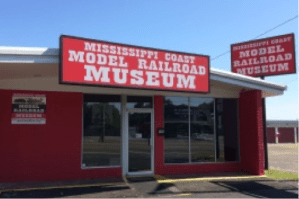
Just down the road a ways was my next stop at the Mississippi Coast Model Railroad Museum. Here again the museum was closed, and the building was not very large.   I could see through the window that they had a good sized model railroad layout, but not much room for anything else.


2


Next I drove a sort distance south of I-10 to check out the Gulfport Dragway strip. The fellow attending the entrance gate informed me that they had drag races on Wednesdays only, and no other races were scheduled for today. That made three closed attractions in a row so far today.


3


As part of the planning for this trip I had contacted my son about the possibility of meeting my granddaughter in Gulfport for lunch. Lacey is attending college in Hattiesburg, Mississippi, about 65 Miles north of Gulfport, and this would provide the perfect opportunity for us to meet and spend some time together. As it turned out, she was able to meet with me and we had a delightful lunch at Shaggy’s Gulfport Beach Restaurant on U.S. 90 overlooking the beach.


4


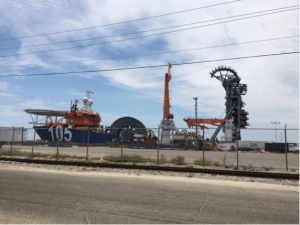
After lunch I took some time to drive around the beautiful Gulfport Marina, and took some pictures. There was a large ship tied up at the Gulfport docks, which looked like it might have been a cable-laying ship. I had never seen anything like it, and couldn’t figure out how it might work.


5


Then I headed west again on I-10 for New Orleans, LA. I tried the Cars of Yesteryear’s Museum in Metairie Louisiana, but here again they were closed.


6


Next I took on the 24 mile long Lake Pontchartrain Causeway from New Orleans to Madisonville. My objective was to visit the Lake Pontchartrain Maritime Museum.  This was a very nice museum filled with a large verity of local historical memorabilia.


7


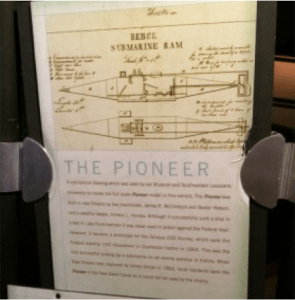
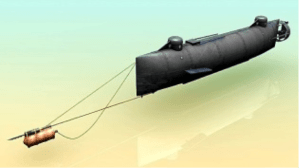
Of course, there was also a considerable amount of information about the Civil War. This included a replica of the 2-man Confederate submarine CSS Pioneer (1861), which was a predecessor to the famous Confederate Civil War submarine, the CSS H. L. Hunley (1864). I had never heard of the CSS Pioneer and was surprised to discover that during initial sea trials, it sank with the loss of the crew of 2. After being raised and refitted for more sea trials, it was scuttled, for fear of capture, when the Union Army advanced on New Orleans in April of 1862.


8


More well-known is the Confederate Civil War submarine CSS H. L. Hunley, which was even more deadly than the Pioneer. During the sea trials of the Hunley, it sank on two different occasions, with the loss of the entire crew of 8 both times. Each time the submarine was raised, improved and refitted for more sea trials. Then finally, in February of 1864, when the Hunley was successfully used to attack and sink the Union ship USS Housatonic, it became the first submarine in history to sink an enemy ship during wartime. Unfortunately, the Hunley was lost, on that sorte the final time, taking all 8 crew members to their death, including the inventor Horace L. Hunley. Interestingly, I saw a full-scale replica of the CSS H. L. Hunley when I visited the Battleship Memorial Park in Mobile, AL just yesterday.


9


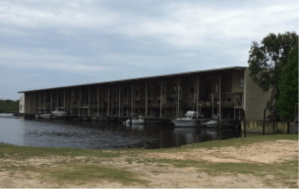
As I was leaving Madisonville I noticed a complex of unusual condos over-looking a small bay and marina. The owners had their living quarters on the second floor and underneath each condo was a protected slip for their private boat moorings. How convenient.


10


Driving North from Madisonville, back across that 24 mile Lake Pontchartrain Causeway, seemed to take a lot longer than it did going south. I was curious about the construction of the causeway and found the following details on Wikipedia. The two, 2-lane bridges that make up the Causeway qualify it, in the Guinness World Records, as the longest “continuous” bridge over water in the world, at 23.83 miles long. The two spans were built between 1955-1956 & 1967-1969, and the two causeway bridges are supported on 9,500 concrete pilings, and 40,000 cars cross the Causeway daily.


By the time I got to the motel, I was ready to relax and have some supper. I had enough of the Taco Bell Mexican Pizza left over from last night to satisfy me. Then I had a cup of Blueberry yogurt for dessert. That did the trick for my hunger, and I headed to the motel’s computer to check-in for tomorrow’s flight home.


—–To Be Continued—–


My 2016 Mid-West Trip Part 15

12 Oct

A Slice of Life

 Bill Lites

Day 15 (Saturday)


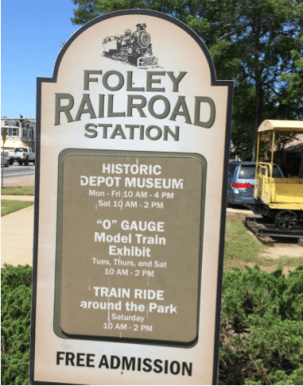
It was a beautiful fall morning as I left Montgomery and headed south on I-65 for Mobile, Alabama.  My first stop was to visit the Foley Railroad Station Museum located just north of Oyster Bay in Foley, Alabama. This was a small museum with early Railroad memorabilia and a nicely restored collection of rolling stock.


1


In a separate building they had a large model railroad layout that fascinated adults and children alike. A High Point for many of the children was the small scale train that the museum provided for rides around the museum property. I don’t believe I’ve ever seen a young child that didn’t like to ride in a small scale train like that.


2


Next I headed across Mobile Bay on I-10 to visit the Battleship Memorial Park in Mobile, Alabama. This Memorial Park is made up of the battleship USS Alabama (BB-60), the submarine USS Drum (SS-228), a replica of the Civil War submarine H. L. Hunley, various types of Army, Navy & Air Force airplanes/vehicles, as well as an indoor aircraft pavilion. It’s a very nicely laid out attraction, but the outside display aircraft and vehicles need some help with protection from the elements. The aircraft in the aircraft pavilion are beautifully restored and very nicely displayed.


3


Next I checked out the Fort Conde (4/5th scale reproduction) located in downtown Mobile. According to Wikipedia, Mobile and its Fort Conde (originally called Mobille & Fort Louis de la Mobille) were founded by the French in 1702, and actually located some 27 miles north of its present location. Then after heavy damage by the flooding Mobile River in 1711, the town and fort were relocated to their present location.


4


Over the years (1702-1813) the region around Mobile was occupied by the French, British, Spanish, and finally the United States. There was a lot of construction going on around the fort, which made it difficult to access. I finally found a parking lot close enough that I could take a picture of the fort, but opted not to go inside today.


5


Down the street and around the corner was the Gulf Coast Exploreum Science Center. There was a large group of Young mothers with their 2-4 year old children in hand, entering the center as I pulled up in front. I surmised, from the looks of things, that this was an “education day” for these kids and decided I did not want to share the experience with all that noise.


6


Not far from the science center I visited the Mobile Carnival Museum. This was a new experience for me. Not being a fan of the Mardi Gras, I did not think this would be a very interesting museum. As it turned out, this was probably the high point of my day. I never knew that the annual Carnival Celebration (Mardi Gras) is celebrated pretty much worldwide, and I had never heard of it being a big deal anywhere in the United States, except for New Orleans. Do I lead a sheltered life or what?


7


The Mardi Gras costumes, and history of the celebration, as explained to me by the museum tour guide, was astounding. The other fact that was hard for me to get my head around was that Mobile was the first city in the United States to celebrate Mardi Gras (1703). And all this time, to me, New Orleans (founded in 1718) was getting the credit for that. The tour guide also informed me that Mobile puts on about 35 Carnival type parades each year that draws an average of 1.5 million visitors. All this activity keeps an entire community industry busy, year around, designing and fabricating all the necessary costumes and floats. For an in-depth picture of the history of the Mobile Mardi Gras, I would suggest the book “Mardi Gras in Mobile “ by L. Craig Roberts, who just happened to be my tour guide today.


8


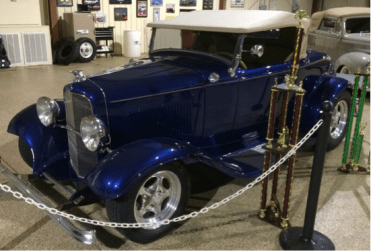
Next I visited the Continental Classic Cars collection located in west Mobile, only to discover that it was a private collection. However the owner, Dennis, was in his office and was gracious enough to show me his collection of automobiles. They consisted mostly of beautifully restored 1950s-1970s muscle cars, and a few classic hot rods.


9


When I told him I was disappointed not to be able to find more automobile museums in the Mobile area, he suggested I check out the Henderson Collection, which was not too far down the road. He said that Jim Henderson had a collection of over 100 beautifully restored cars, and that if I could catch him at his Mobile Lumber Company office, he might agree to give me a tour of his private collection. The lumber company office was closed and Greta and I tried diligently to find Mr. Henderson’s building, that houses his collection, but to no avail.


10


So, I called it a day and headed for tonight’s motel for some rest. On the way to the motel I spotted a Taco Bell and stopped to feast on a Mexican Pizza and a Beefy Chedder Crunchwrap Slider. The Slider was OK but, the Mexican Pizza with lots of Verde sauce to spice things up was much better, in my opinion.


11


—–To Be Continued—–


My 2016 Mid-West Trip~Part 14

5 Oct

A Slice of LIfe

 Bill Lites


Day 14 (Friday)


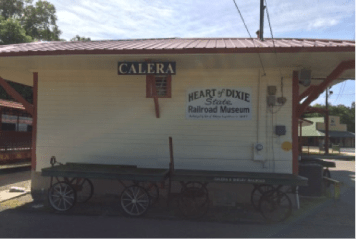
Leaving the Birmingham area this morning I headed south on I-65 for Calera, Alabama to visit the Heart of Dixie Railroad Museum. I got there before they opened and it was obvious that it was a very small museum that could only house local railroad memorabilia. There were a couple of steam engines on display and some Pullman cars. Other than that, most of the rolling stock on the museum grounds was old and unkempt.


1


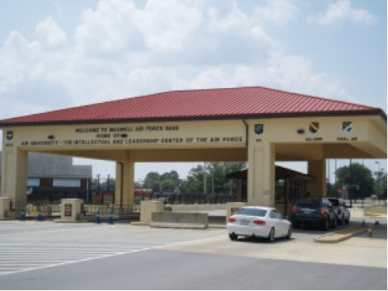
Next on the list down the road was to check out the Airpark at the Maxwell Air Force Base, located just northwest of Montgomery, Alabama. The Internet had implied the Airpark was open to the public, but at the base visitor’s center I was informed it was not.


1a


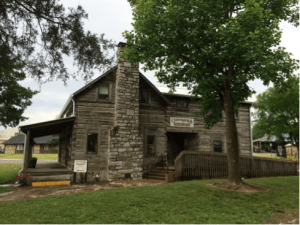
So, I headed south again, around Montgomery, some 50 miles on U.S. 231 to visit the Pioneer Museum of Alabama located in Troy, Alabama. This was a nicely restored early Alabama farming community representation, consisting of several log structures. The memorabilia area inside the museum building had some very interesting early 19th century exhibits. The many outside community buildings included a log cabin, barn, grist mill, chicken house, church, and a general store.


3


On the way back from Troy, I stopped by the Hyundai Manufacturing Facility, just south of Montgomery, to see if I could get a space on one of their guided tours. They said the tours were by reservation only, and they did not have any cancellations for the tours today. So I moved on toward Montgomery.


4


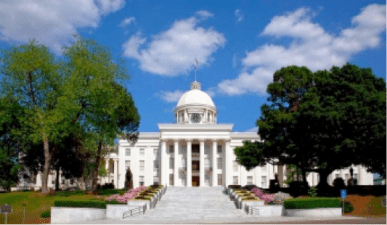
I drove into downtown Montgomery to check out the Capital of Alabama. The capital building is a magnificent structure, as were several other government buildings, surrounding the central area around the capital building.


5


Next I took another 40 mile side trip, west on U.S. 80 out of Montgomery, to Selma, Alabama to visit the Old Depot Museum. This famous route of the civil rights movement is dedicated to those who were at the forefront of that struggle.  Each of the four-day overnight stop locations, associated with that famous civil rights march, has dedicated historical markers on each side of the highway. The Old Depot Museum in Selma turned out to be located in an old restored railroad station. The museum itself was mainly a collection of very interesting memorabilia related to the history of the civil rights movement, and some early history of the city of Selma, Alabama.


6


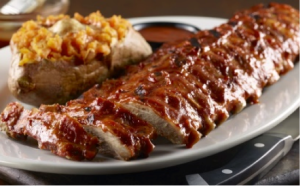
My trip to Troy and Selma doubled the number of miles I had expected to travel today, so by the time I got back to Montgomery I was getting hungry. After I located the motel and got checked in, I warmed up my leftover Longhorn Baby Back Ribs and sweet potatoe. I missed the garden salad, but the ribs and potatoe still made for a marvelous meal again tonight. Now it was time to relax and see if I could find anything good to watch on TV. No luck! So, I gave up and set to work recording today’s activities and prepared tomorrow’s list of museums.


7


—–To Be Continued—–

My 2016 Mid-West Trip~Part 11

14 Sep

A Slice of Life

Bill Lites


Day 11 (Tuesday)


I began the day by heading south, out of Nashville, on I-24 for my first stop, to visit to the Cannonsburgh Village located in Murfreesboro, TN. Now according to Wikipedia, Murfreesboro was named Cannonsburgh until 1811, when the name was changed by the state legislature. How’s that for a really great trivia question? This village is a nicely restored early 1800s Tennessee farming community. Most of the buildings are of log construction and were moved from their original locations to this site in 1976.


1


Included in the village buildings are a log home, a one-room schoolhouse, a general store, a church, a town hall, a gristmill, and a working blacksmith’s shop. This village gives people a good idea of how an early farm community would have looked in the early 19th century Tennessee hill country.


1a


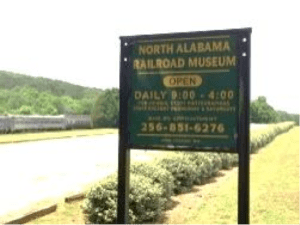
From Murfreesboro I headed south on U.S. 231, through Shelbyville and Fayetteville, and across the border into Alabama. My next stop was to visit the North Alabama Railroad Museum located in the northeast outskirts of Huntsville, AL. This museum was very small and looked like it probably consisted mostly of local railroad memorabilia. The sign out front and on the entrance gate said the museum was supposed to be open but, I got there around noon and, it was closed. I suppose they could have just locked up and gone to lunch.


2


Down the road a ways was the next stop on my list for today at The Historic Huntsville Depot located in downtown Huntsville, Alabama.  The depot was constructed in 1860 and is the oldest railway passenger station in Alabama. It was the eastern division headquarters for the Memphis & Charleston Railroad, and serviced its last passenger train in 1968. As luck would have it, the museum was closed in preparation for an event that was to take place in and around the museum grounds during that coming weekend.


3


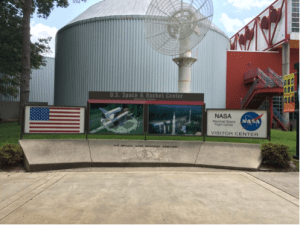
Next on the list was the U.S. Space & Rocket Center also located on I-585 just east of downtown Huntsville. I had been to this museum once before but decided to go through it again to see if they had added anything new. It didn’t look like there were any new exhibits and many of the outdoor exhibits that had been pristine the last time I was there, were now weather-beaten and looking poorly. I find it very sad to see an organization as large as this NASA museum allowing their exhibits to deteriorate to such a degree. Especially after all the money they pull in from visitors from all over the world.


4


Next I checked out the Veterans Memorial Park there in Huntsville. This was a beautifully sculptured park, with a couple of very nice statues representing our military, and their part in the ongoing fight for our freedom.


5


I wanted to see if there was a museum associated with the Redstone Arsenal, which has been so instrumental in U.S. rocketry development. However, I was disappointed when I called the base to inquire, and was informed that there were no museums open to the public.


6


Next I visited the Veterans Memorial Museum located around the corner from the Veterans Memorial Park. The signs for the museum were a little hard to follow but I finally located it. This museum is dedicated to all of the U.S. military services, and has restored Army, Navy, Air Force and Marine equipment. Like many small museums I have visited, this one was hoping to expand soon, so that they could display many more of the items in their collection to the public.


7


Now it’s time to head for the motel, where I will warm up and enjoy leftovers of St. Louis ribs, turnip greens, and corn-on-the-cob. I even have a nice piece of Jack’s BBQ homemade cornbread and some butter and Strawberry jam to spread on it for dessert. Yumm again!


—–To Be Continued—–

My 2016 Mid-West Trip~Part 9

31 Aug

A Slice of Life

 Bill Lites


Day 9 (Sunday)


The day started nice enough in Indianapolis, but as I traveled south I ran into some fairly heavy rain storms. I made a short sidetrack off I-65 to check out The Atterbury-Bakalar Air Museum located adjacent to the Bakalar Air Force Base just outside Columbus, IN. Even though I could not see in the building, it was quite small and I’m sure the museum was made up of local memorabilia about the history of the Bakalar Air Force Base.

1

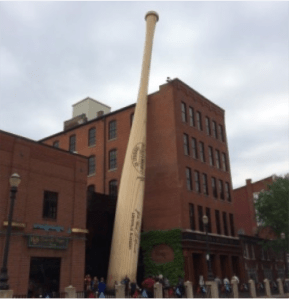
I drove on into Louisville, Kentucky where my first stop was visit the Louisville Slugger Museum & Factory located just across the Ohio River in the West-Main District of downtown Louisville. A guided tour was included, as part of the admission price to the museum, and it was very interesting and well presented. They showed us how some of the wooden bats were made by hand in the late 1880s (30 hours). We also got to see how a Louisville Slugger wooden bat is made today, from start (billet) to finish, ready for a game (30 minutes). I was amazed to find out that the Louisville Slugger factory produces as many as 1.6 million wooden baseball bats per year. And if that’s not enough, they are only one of over 30 some wooden bat manufacturing companies in the United States and Canada. It you happen to be a baseball fan, checkout Wikipedia under “Facts about Louisville Slugger Wood Bats” for some amazing information about wood baseball bats.

3

This section of West Main Street, in the downtown area of Louisville, is called “Museum Row” and is a little rundown. It appears to have become an art enthusiast’s dream, with several art galleries and tea shops. I was not impressed with the “Artwork” some of the galleries choose to display on the sidewalks.

3a


My next stop was at the Kentucky Railway Museum located in New Haven, Kentucky. This was one of those museums that sell short railroad rides similar to those I’ve seen in Florida and Colorado. The inside of the museum itself was very small and filled with local train memorabilia. They had a considerable amount of nicely restored rolling stock but I don’t believe it was accessible to the public.

4


Since the other railroad museum and the automobile Museum on my list in the area were both closed today, I headed for the motel in Radcliff, Kentucky. I was surprised to see on the map that the Fort Knox Gold Bullion Depository was only a few miles from Radcliffe, located within the Fort Knox Army Base. I asked the desk clerk at the motel if I could get a tour of the nation’s gold depository, and he informed me that security was very tight around the facility, and that they did not allow people to stop their cars on the highway in front of the building or even take pictures of the grounds.

5

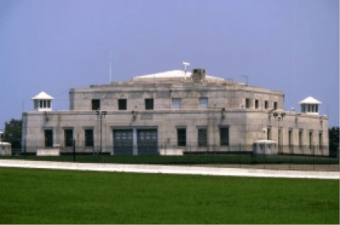
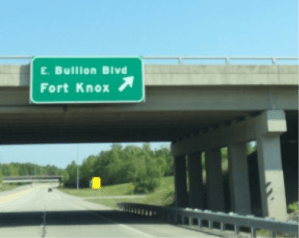
I just had to drive by and take a look at this famous facility. I headed down East Bullion Boulevard, and as you might guess, the local gentry have used the local gold depository in advertising of all types, just like at home with the “Space Coast” title.

6

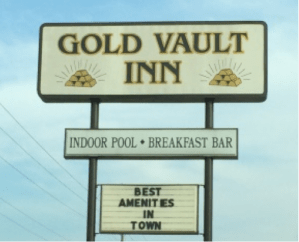
I passed several such signs for businesses, such as “Gold City Towing” and the “Gold Vault Inn.” Then when I drove past the treasury building itself, where most of the American public visualizes the housing of all that gold, it is really a very unimpressive structure. Wikipedia says that much of America’s gold is actually stored in a massive vault under the Depository building.

7

Then it was back to the motel to warm up my yummy dinner of Outback grilled Pork Chop, garlic mash potatoes and asparagus. It was every bit as delicious as it was the night before. The only thing missing was the restaurant music and the sports on the TV, which I can do without while I’m eating.

—–To Be Continued—–