Archive | Bill Lites A Slice of Life- Wednesday RSS feed for this section

2023 Road Trip-Part 1

16 Aug

A Slice of Life

Bill Lites

Day 1 – July 15: 

 At 9:00 this morning I said goodbye to my wife, DiVoran, who wished me “Safe Travels” and our cat Thea (who wanted to go with me) and headed north, out of Titusville, FL on I-95 to begin my 2023 Road Trip. I was driving my 2006 Dodge Grand Caravan that had made my last two Road Trips so enjoyable and comfortable as it allowed me to take all the daily necessities I was used to with me.
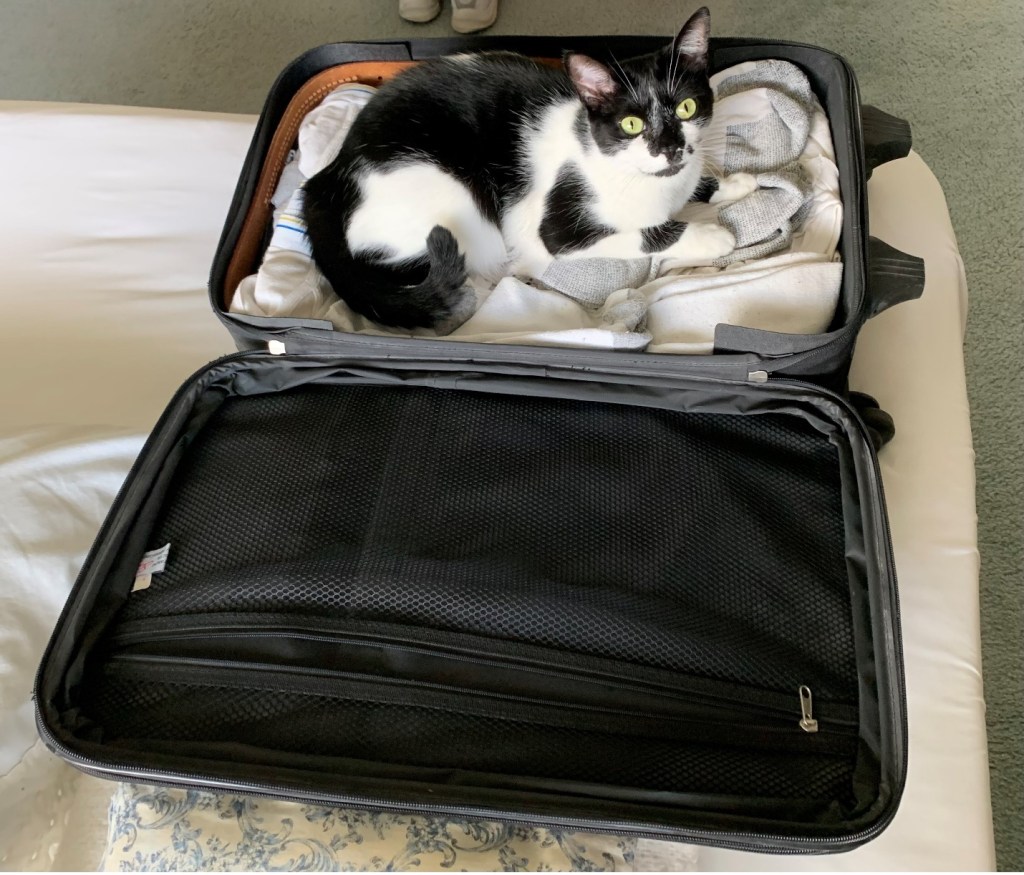
Photo Credit: Bill Lites

My first stop today was a visit to the Living Legends of Auto Racing Museum located in the Sunshine Park Mall in South Daytona, FL.  This museum is filled with a revolving collection of racing cars from many of the different types of auto racing dating from the early days of auto racing.  Most of the cars were raced by well-known drivers who have been part of creating the Legends of Auto Racing.  The museum’s collection of signed photographs and auto racing memorabilia is very overwhelming.  The museum also hosts periodic local Race Car Shows & Parades along highway A1A in Daytona Beach.  Check out the Parade Video on the internet.

Photo Credit: https://yahoo.com/Living+Legends+of+Auto+Raing+Museum

Continuing north on I-95 the next museum I visited was the Classic Car Museum located in St. Augustine, FL.  The 1950s Gas Station replica at the front of this museum started my memory clock ticking, and as I entered the museum the memories just kept coming.   I was impressed with their oldest automobile, an 1895 Rochet Snyder Roadster that has been beautifully restored for all to enjoy.  This large museum displays 80+ beautiful classic cars and sports cars dating from the early 1900s to the 1980s.  They also have a large selection of photos and related auto memorabilia from over the years.
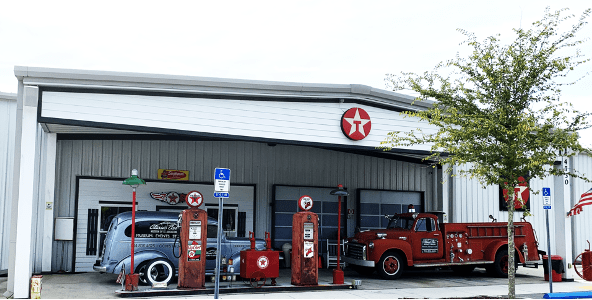
Photo Credit: Bill Lites

My next stop was to visit the Brumos Auto Collection located in the Jacksonville Beach, FL area.  This large collection consists of many vintage open cockpit racers (oldest; 1894 Peugeot) that competed over the years, and Porsche race cars that were raced in many major racing events from 1953-2017.  There is also detailed information on each of the race cars on display in this marvelous collection.
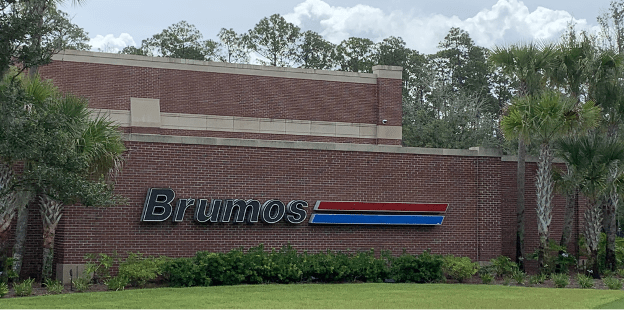
Photo Credit: Bill Lites

After passing over the St. Johns River and crossing the border into Georgia, I stopped for a photo at the Florida-Georgia Railway Museum located in Kingsland, GA.  This museum is housed in the renovated 1915 former sawmill building and is also the home of the Kingsland Station Players who perform there on a regular basis. It is also the central train station where one can buy a ride on an 80-minute open-air sight-seeing train ride or have dinner in their famous Silver Tureen Dining car train ride.  I didn’t have time for any of those options, so just took this photo and was on my way. 

Photo Credit: Bill Lites

It was another hour drive north on I-95 to where I stopped to visit the Mighty 8th Air Force Museum located in Pooler, GA.  I had visited this museum a few years ago, and wanted to see how they were doing on the restoration of their B-17G (City of Savannah).  Representing the 5000th airplane processed thru Hunter Field, Ga in 1944, it took some 60,000 man-hours (7.6 years) of dedicated volunteer work, but the City of Savannah has now been beautifully restored to its 1945 war-time configuration and is open to the public for review.  My hat is off to the fine effort this museum has expended to restore this WWII warbird.

Photo Credit: https://yahoo.com/Mighty+8th+Air+Force+Museum

Now it was another hour or so north on I-95 passing over the Savannah River and crossed the border into South Carolina before I arrived at the North Charlston Fire Museum.  This was another fine museum I had visited on another road trip and wanted to see their great collection of antique fire trucks and firefighting equipment again.  Sadly, they were closed by the time I got there, so I just took this photo and set out to find my motel for the night.
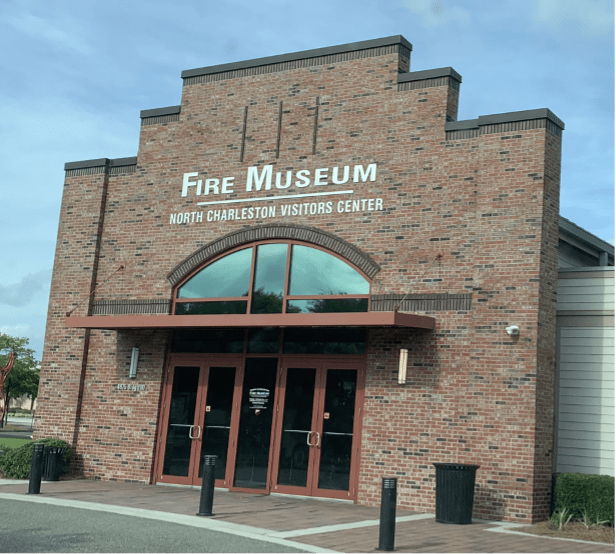
Photo Credit: Bill Lites

As I was heading for the motel, I passed a Waffle House, and since it was late, I decided to just stop and have one of their 2-egg breakfast meals that comes with hashbrowns, sausage links, and toast.  Yuuum!  I can enjoy a breakfast meal any time of the day, and this one hit the spot with a hot cup of Earl Gray tea.  After that delicious meal, I found my motel, got checked in and recorded my days activities.
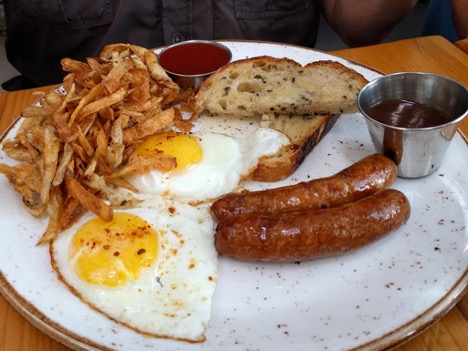
Photo Credit: https://yahoo.com/2-egg+with+hashbrowns+%26+link+sausage+Waffle+House&  

—–To Be Continued—–

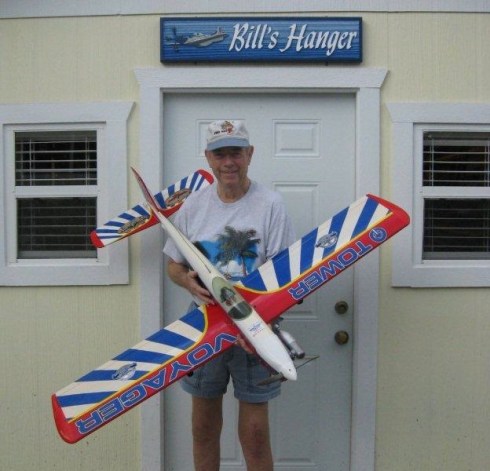
Bill is a retired Mechanical engineer living with his wonderful artist/writer wife, DiVoran, of 65 years in Titusville, Florida. He was born and raised in the Southwest, did a tour of duty with the U.S. Navy, attended Northrop University in Southern California and ended up working on America’s Manned Space Program for 35 years. He currently is retired and spends most of his time building and flying R/C model airplanes, traveling, writing blogs about his travels for Word Press and supporting his wife’s hobbies with framing, editing and marketing.  He also volunteers with a local church Car Care Ministry and as a tour guide at the Valiant Air Command Warbird Museum there in Titusville.  Bill has two wonderful children, two outstanding grandchildren, and a loving sister and her husband, all of whom also live in Central Florida, so he and DiVoran are rewarded by having family close to spend lots of quality time with.
One of Bill’s favorite Scriptures is:  John 10:10

2023 Road Trip Prolog

9 Aug

A Slice of Life

Bill Lites

Every year for three years now, I have been researching and preparing a road trip that included time for visiting museums in different parts of Canada, but the Covid-19 pandemic has kept those borders to our northern neighboring country closed.  In 2020 I had planned to fly to Seattle, WA and renting a car to tour museums in several of our U.S.  northwestern states and British Columbia Canada.  That didn’t happen because of Covid-19 Canadian border restrictions. Bummer!

Image Credit: www.istockphoto.com/vector/facepalm

I ended up flying to Denver, CO and renting a car to tour museums in 6 states including Colorado, Wyoming, S. Dakota, Nebraska, Kansas, and Oklahoma.  Then in 2021 I had planned to fly to Detroit, MI and renting a car to tour museums in several our U.S. northeastern states and Toronto, Canada.  That didn’t happen because of Covid-19 Canadian border restrictions. I was really disappointed!

Photo Credit: Bill Lites

I ended up driving my van on my 2021 Road Trip on a long 17-day trip that included visits to museums in 13 states including FL, GA, SC, NC, VA, MD, PA, NY, OH, WV, KY, RN, AL, and back thru other parts of GA to FL.  Then in 2022, I had planned to fly to Buffalo, NY and renting a car to tour museums in several more of our U.S. northeastern states and Ottawa, Canada.  Again, that didn’t happen because of Covid-19 Canadian border restrictions.  I was beginning to wonder if the Canadians were ever going to open their borders to visitors!

Photo Credit: www.123rf.com/clipart-vector/disappointed

I

ended up driving my van on my 2022 Road Trip to visit museums in 11 states from Florida thru GA, AL, MS, TN, MO, IL, IN, OH, KY, TN, NC, and back thru other parts of GA to Florida.  Finally in 2023 Canada lifted their Covid-19 border restrictions so I planned to drive my van to visit museums on the route thru the 17 states shown in the photo below.

Photo Credit: Bill Lites

In my researching, I have found that Canada has some very interesting museums, and the one that piqued my interest for this year’s Road Trip was The Royal Aviation Museum in Winnipeg, MB Canada.   I am looking forward to seeing that museum’s great collection of beautifully restored military and civilian aircraft.  There are many other unique museums in Winnipeg that I want to see while I am in that city.  There are friends and relatives to visit along the way, as well as the many museums and points of interest in each state from my home in Florida to Canada and return.

—– To Be Continued—–

Bill is a retired Mechanical engineer living with his wonderful artist/writer wife, DiVoran, of 65 years in Titusville, Florida. He was born and raised in the Southwest, did a tour of duty with the U.S. Navy, attended Northrop University in Southern California and ended up working on America’s Manned Space Program for 35 years. He currently is retired and spends most of his time building and flying R/C model airplanes, traveling, writing blogs about his travels for Word Press and supporting his wife’s hobbies with framing, editing and marketing.  He also volunteers with a local church Car Care Ministry and as a tour guide at the Valiant Air Command Warbird Museum there in Titusville.  Bill has two wonderful children, two outstanding grandchildren, and a loving sister and her husband, all of whom also live in Central Florida, so he and DiVoran are rewarded by having family close to spend lots of quality time with.

One of Bill’s favorite Scriptures is:  John 10:10

My Favorite Breakfast-Part 2

21 Jun

A Slice of Life

Bill Lites

As I grew older, I finally came around to enjoy what my folks liked for their breakfast.  By then, their taste had changed to scrambled eggs, bacon or ham, and toast with coffee. Of course, I was still drinking milk with my breakfast and didn’t pick up the taste for coffee until much later in life.  This breakfast usually supercharged me for most of the morning but made me sleepy during my late-afternoon classes at school.

Photo Credit: https://www.juddscatering.com/breakfast.html

After leaving home for a tour of duty with the U.S. Navy (at shore stations and onboard several ships), my breakfast usually consisted of scrambled eggs (powdered), sausage patties (from canned war surplus, some dated 1943), home fried potatoes, and milk (powdered).   The alternative was commonly known as ‘SOS’ (anyone associated with the military will know what that acronym stands for).  Neither one of the above-mentioned breakfasts is the most appetizing breakfast, but since I didn’t have much of a choice and I didn’t want to starve, I learned to tolerate them.  Your guess is as good as mine about some of the items shown in the photo below.  I believe I recognize the eggs and maybe one of those gray blobs is beef-gravy (?) and the toast, but  the other, you got me.  

Photo Credit: navy-tales-life-and-food-aboard-an-aircraft-carrier/

After my tour with the Navy was done, and during my college years my wife, DiVoran and I were living on a very tight budget and my breakfast consisted mainly of a stop at “Randy’s Big Donut” for three or four freshly baked French donuts ($.10 each back then) and a half-pint carton of milk.  I usually didn’t have time to eat the donuts there in the donut shop, so I mostly ended up eating them on my way to class once I got to school.  

Photo Credit: https://images.search.yahoo.com/randys+big+donut

That was a quick and easy breakfast for me at that time because that was about all I could afford on my meager part-time job. The chocolate covered French donuts were my favorite.  Many of my breakfast choices changed for the better once I landed that full-time job and my schooling shifted to evening classes.

Photo Credit: https://www.google.com/search?q=french+donuts

After finishing college, our family moved to Florida where I worked at the Kennedy Space Center (KSC) on NASA’s Manned Space Programs for many years.  My breakfast during those hectic years reverted back to my childhood, usually consisting of cold cereal, with milk, and maybe coffee, if I got up early enough and had the time for any breakfast at all before heading off to work. 

Photo Credit: https://images.search.yahoo.com/breakfast/cereal/coffee

My sister, Judy, tells me that she and her husband, Fred, now enjoy scrambled eggs with Canadian bacon, buttered toast, and hot English Breakfast Tea for breakfast.  That sounds a lot like a left-over family tradition from their college days when Fred lived with our folks for a year before he and Judy got married.  She tells me that when they were stationed in Germany, with the U.S. Air Force, they enjoyed Sara Lee Pecan Coffee Cake and hot English Breakfast tea.  After moving back to the U.S. their favorite changed to Sara Lee Butter Flavored Streusel Coffee Cakes with their hot tea.

Photo Credit: https://images.yahoo.com/sara+lee+coffee+cake+butter+streusel

—–To Be Continued—–

Bill is a retired Mechanical engineer living with his wonderful artist/writer wife, DiVoran, of 65 years in Titusville, Florida. He was born and raised in the Southwest, did a tour of duty with the U.S. Navy, attended Northrop University in Southern California and ended up working on America’s Manned Space Program for 35 years. He currently is retired and spends most of his time building and flying R/C model airplanes, traveling, writing blogs about his travels for Word Press and supporting his wife’s hobbies with framing, editing and marketing.  He also volunteers with a local church Car Care Ministry and as a tour guide at the Valiant Air Command Warbird Museum there in Titusville.  Bill has two wonderful children, two outstanding grandchildren, and a loving sister and her husband, all of whom also live in Central Florida, so he and DiVoran are rewarded by having family close to spend lots of quality time with.

One of Bill’s favorite Scriptures is:  John 10:10

My Favorite Breakfast-Part 1

14 Jun

A Slice of Life

Bill Lites

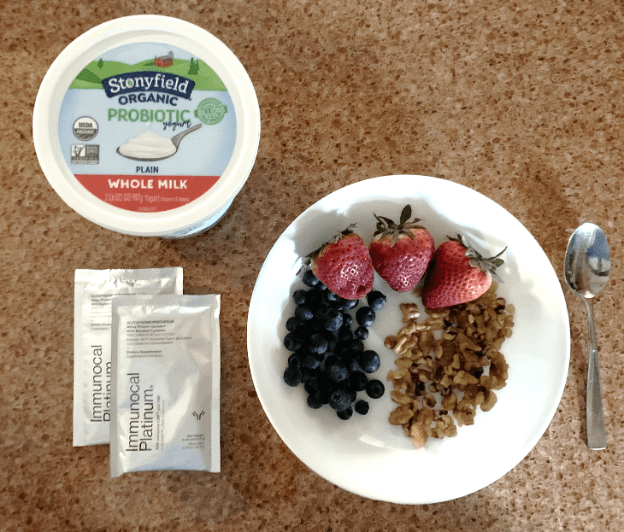
What is your favorite breakfast? To keep healthy, my daily breakfast is a mix of 3 or 4 cut-up strawberries, ¼-cup of blueberries, 1/8th-cup of chopped walnuts, 1-cup of plain yogurt sweetened with Swerve, into which I stir in two packets of (Immnicol) Glutathione power.  This is not the most delightful tasting combination, but health wise, my health coordinator wife, DiVoran, tells me it’s the best I can do for my own particular body needs right now.

Photo Credit: Bill Lites

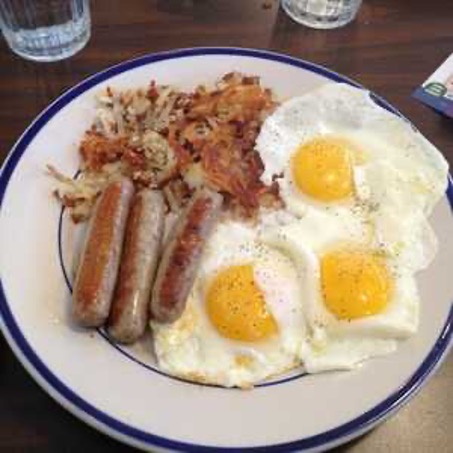
For pure pleasure, when I go out to eat, my favorite breakfast is two eggs (over medium), a couple of pork sausage links (maple flavored), the bacon is optional (only if it come with the order), hash-brown potatoes (grilled to a golden brown), and a steaming cup of hot Earl Grey tea.  I can take my wife, DiVoran, out to one of our favorite restaurants for this delightful meal or I can order the same thing at most any restaurant of my choosing on one of my road trips (I know I fudged on the eggs in the photo).

Photo Credit: https://nextdoor.com/bob-evans/

DiVoran tells me her favorite breakfast is two poached eggs with one (thin) slice of buttered Sourdough toast, and homemade jellies, when it is available.  She is a coffee drinker and a cup of her favorite home-made brew (half full caffeinated & half decaffeinated) is always a part of her breakfast.  Of course, she is also an avid reader, so, some sort of daily devotional is an important part of her breakfast time.

Photo Credit: Bill Lites

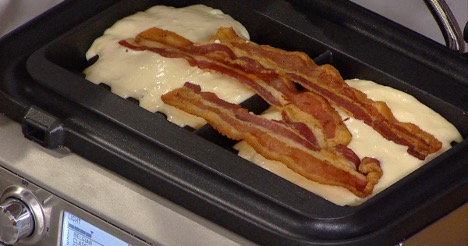
I remember my mother and dad‘s favorite breakfast was pecan waffles with a strip of bacon grilled into the waffle.  As I grew older, I learned to enjoy pecan waffles, but I never developed the taste for the bacon in them. Of course, their alternate to the pecan waffles was scrambled eggs, with Canadian bacon and fresh baked bread and butter with Granny’s homemade peach preserves.  I got in on that type of delicious breakfast once-in-a-while as I grew older and wanted something other than cold cereal and milk.

Photo Credit: https://images.search.yahoo.com/Waffle+with+bacon+inside

As youngsters, my little sister, Judy, and I began most of our days with cold cereal with milk.  As we grew older, we became Aunt Jemima pancake lovers, with lots of butter and maple syrup.  After our mother had used all of the pancake batter for our pancakes, we were allowed (under her supervision) to make tiny ‘one-drop’ or ‘two-drop’ sized pancakes, in the big cast iron skillet. Sometimes there was enough batter left to make a small ‘heart-shaped’ pancake, which we were thrilled to create.

Photo Credit: https://yahoo.com/search/images;_pancake-clipart

—–To Be Continued—–

Bill is a retired Mechanical engineer living with his wonderful artist/writer wife, DiVoran, of 65 years in Titusville, Florida. He was born and raised in the Southwest, did a tour of duty with the U.S. Navy, attended Northrop University in Southern California and ended up working on America’s Manned Space Program for 35 years. He currently is retired and spends most of his time building and flying R/C model airplanes, traveling, writing blogs about his travels for Word Press and supporting his wife’s hobbies with framing, editing and marketing.  He also volunteers with a local church Car Care Ministry and as a tour guide at the Valiant Air Command Warbird Museum there in Titusville.  Bill has two wonderful children, two outstanding grandchildren, and a loving sister and her husband, all of whom also live in Central Florida, so he and DiVoran are rewarded by having family close to spend lots of quality time with.

One of Bill’s favorite Scriptures is:  John 10:10

Happiness is Flying Model Airplanes-Part 5

7 Jun

A Slice of Life

 Bill Lites

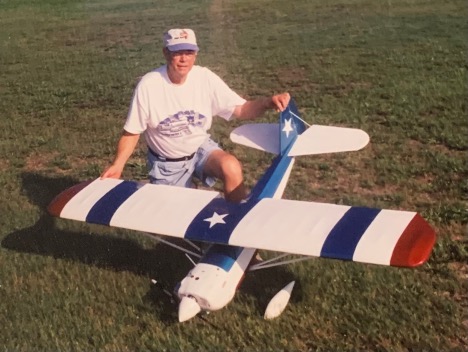
 My largest and favorite scale model R/C airplane is a big ¼ scale Bellanca Citabria.  The real high-wing aerobatic airplane is famous with flyers all over the country and my R/C model is a beautiful airplane, and it flies like a dream.  Someone told me that the unusual name of this airplane is really “Airbatic” spelled backwards.  How about that for someone with nothing to do but think up an unusual name for a new aerobatic airplane for his boss at Ballanca Manufacturing in 1964 (or maybe it was the boss himself).

Photo Credit: Bill Lites

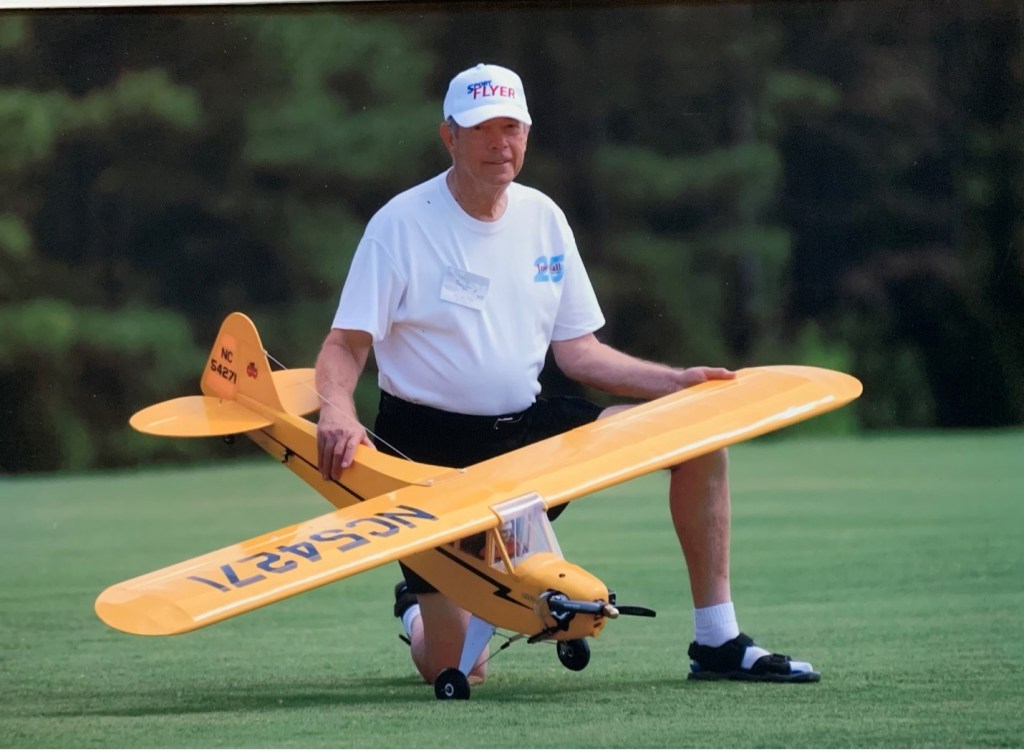
Of course, I just had to have a ¼ scale Piper Cub in my stable of model R/C airplanes, as a constant reminder of that very first little hard-wood Piper Cub I built when I was eight years old.  This airplane is a model of the famous Piper J-3 Cub that was designed in the 1930s and has been one of the basic trainers used by people all over the world to learn how to fly.  My model uses a .91 CID four-stroke engine and looks, sounds, and flies very realistic in the air and on the ground.   Great fun!

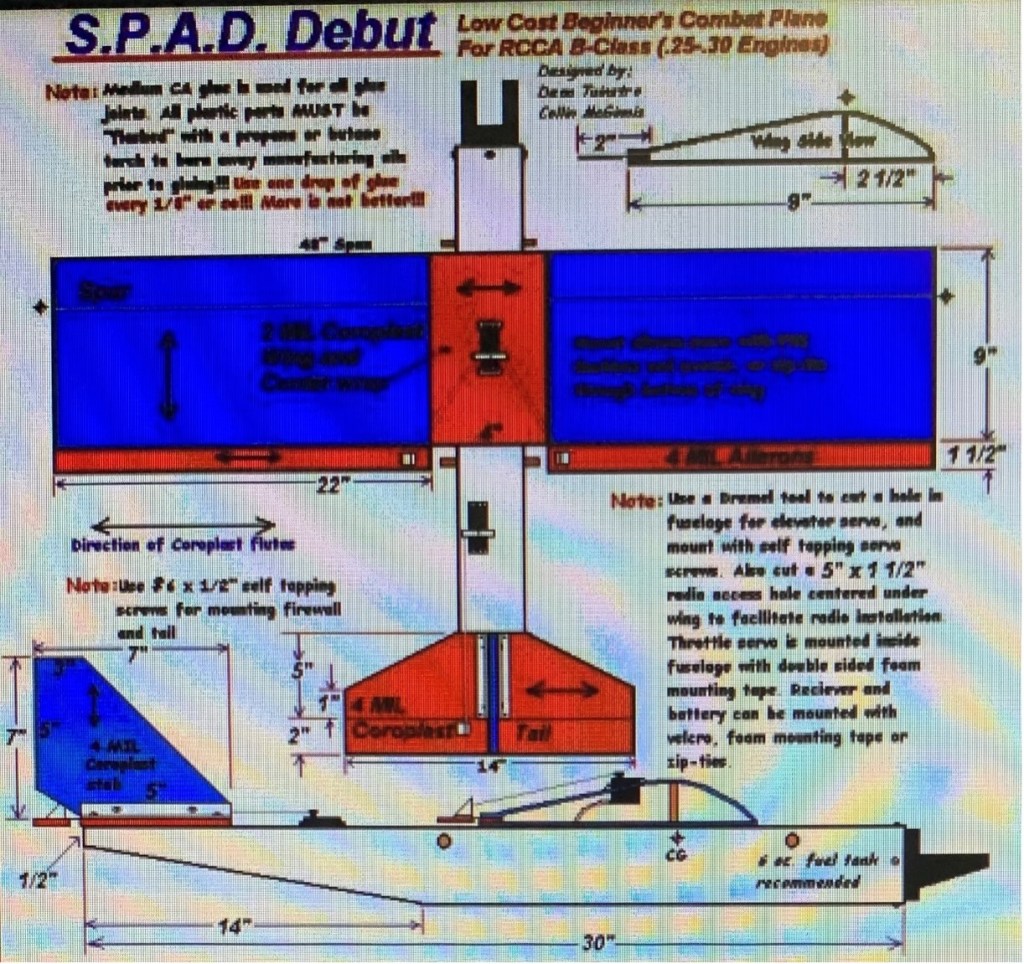
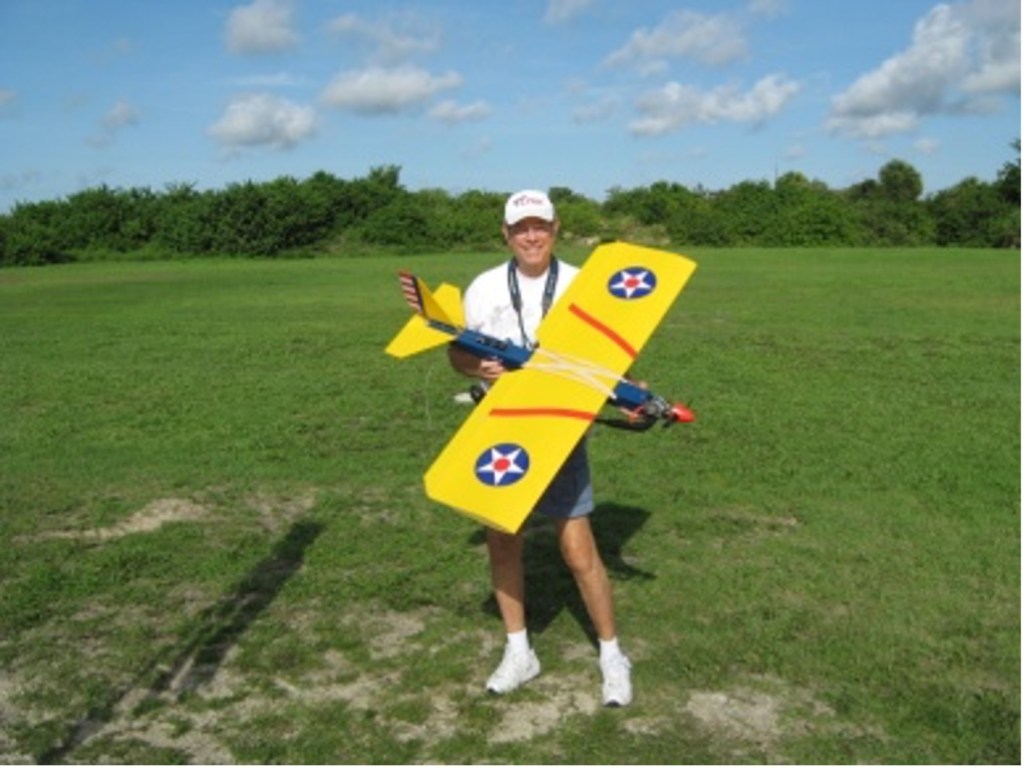
An R/C model airplane enthusiast from Michigan joined our Titusville Model Airplane Club sometime in 2001 and introduced the members in our club to the Simple Plastic Airplane Designs (SPAD) Coroplast R/C model airplanes.  These amazing model airplanes are very inexpensive to build, while being of a very simple and rugged construction.  They are designed and built to represent a verity of real airplanes and also used as expendable “Combat” contenders where a pilot tries to clip a 100’ streamer off the tail of his opponent’s airplane (with his propeller) without damaging either airplane (causing lots of mid-air collisions

Photo Credit: Bill Lites

The body is made from a 2”X2” section of PVC downspout and all the other components, such as wing and tail are made of Coroplast sheet.  The engine is mounted on a ¾“ thick block of plywood or hardwood, which is held in place with (4) screws.  The fuel tank, flight receiver, and flight battery are installed inside of the fuselage with Velcro while the control servos are installed on the outside of the fuselage.  The wing is usually held in place with big strong rubber bands.

Design Credit: https://www.spadtothebone.net/

Most of these basic SPAD airplanes are hand launched and belly landed because they have no landing gear.  It took a coordinated effort, and a lot of practice to get used to: 1. Start up the engine (in the starting station), then 2.  Run the engine up to full power, and 3. Launch the plane (underhanded), while holding the radio in the other hand (a neck strap to hold the radio helped).  It was a practiced procedure that we SPAD flyers all learned to do after a few failed attempts.

Photo Credit: Bill Lites

I enjoy going to R/C model airplane airshows and fly-ins whenever I get the chance.  One of the biggest R/C model airplane airshows I ever attended was the 25th Annual Joe Nall Memorial R/C Model Fly-in held at Joe’s Triple Tree Aerodrome in Woodruff, SC in 2007.  The year I attended, there were over 500 R/C model airplanes there of all sizes and descriptions from all over the country.  A crowd of over 2000 avid spectators showed up, including as many as 60 R/C model airplane vendors.  What a spectacular all-week event that was!

Photo Credit: yahoo.com/search/images;Joe+Nall+Triple+Tree+Aerodrome

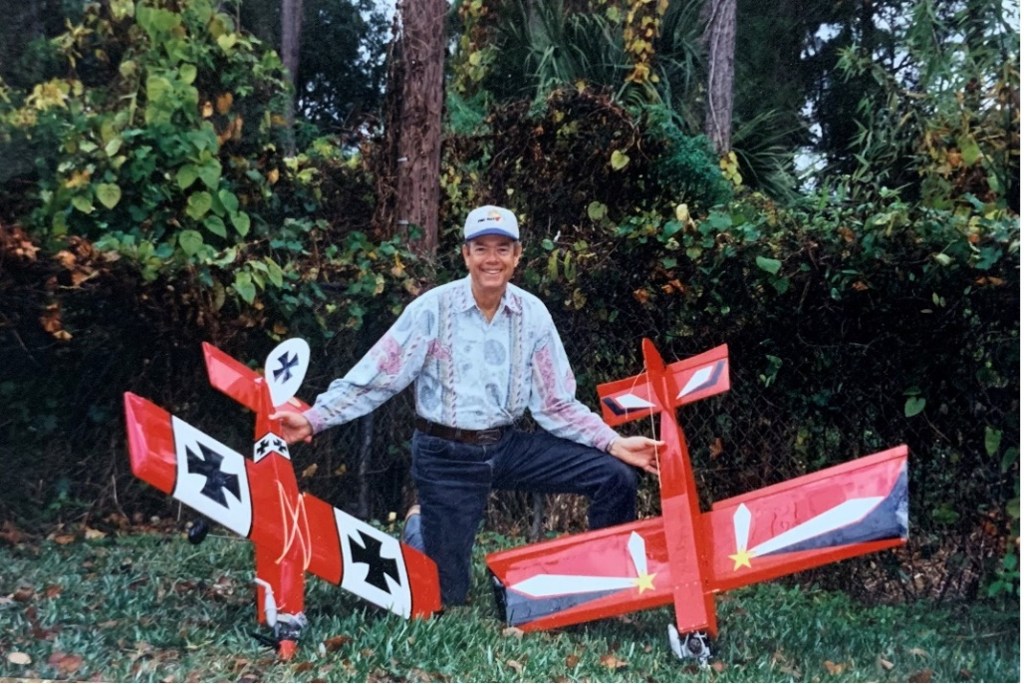
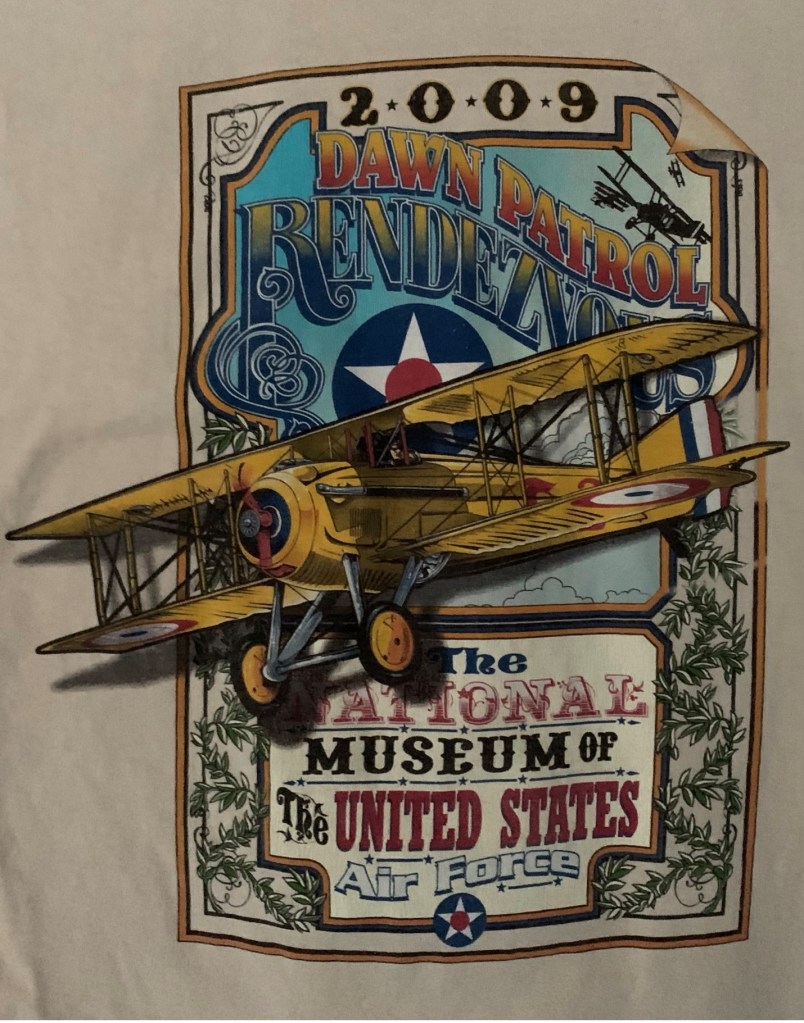
One of the most thrilling events I ever witnessed was when I attended the 2009 Dawn Patrol Rendezvous Fly-in at the National Museum of the United States Air Force in Dayton, OH.  There were some 30 real and replica WWI biplanes and triplanes that flew in from many parts of the country to participate in that event.  There were many WWI reenactors dressed in period costumes who brought their antique automobiles, motorcycles, and bicycles to the event.  There were replicas of field hospitals with doctors and nurses for the French, German, and U.S. soldiers

Photo Credit: Bill Lites

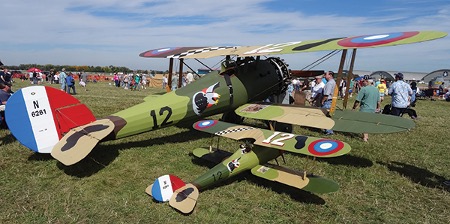
There were also many WWI R/C model biplanes and triplanes at the fly-in, which ranged in size from the smallest (¼ scale) to the largest (½ scale) models that flew at intermissions.  Of course, the R/C pilots were also dressed in WWI costumes with leather coats, caps, and flight goggles to make their appearance fit in with the overall reenactment venue of the event.

Photo Credit:  yahoo.com/search/images;dawn+patrol+rendevoue 

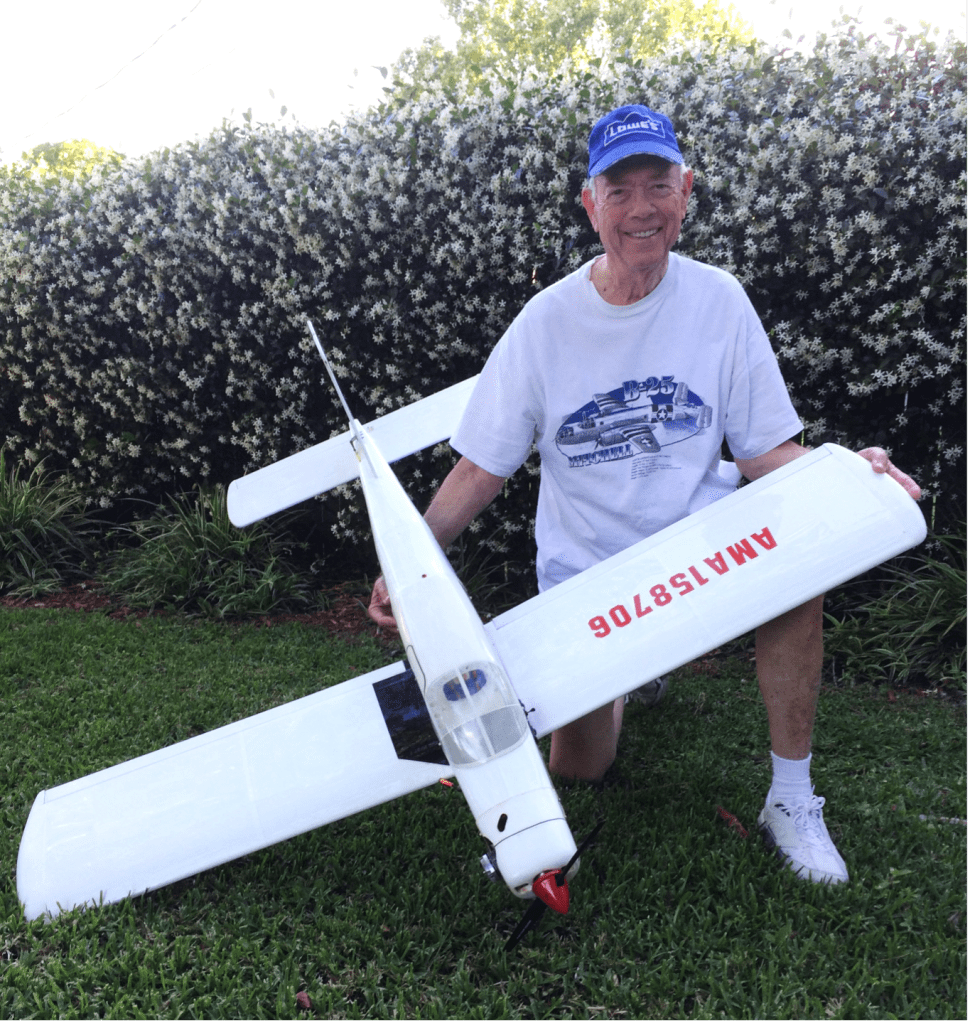
The fuel powered R/C model airplanes of the past, that I grew up with, are losing their popularity in many model airplane clubs now-a-days, with the influx of inexpensive foam airplanes and the availability of more powerful flight batteries.  However, flying R/C model airplanes has been one of the most fun and rewarding things I have done over the years, and I plan to continue enjoying the sport of flying R/C model airplanes (fuel powered or electric powered) as long as I am able.  See you at the flying field.

Photo Credit: Bill Lites

—–The End—–

Bill is a retired Mechanical engineer living with his wonderful artist/writer wife, DiVoran, of 65 years in Titusville, Florida. He was born and raised in the Southwest, did a tour of duty with the U.S. Navy, attended Northrop University in Southern California and ended up working on America’s Manned Space Program for 35 years. He currently is retired and spends most of his time building and flying R/C model airplanes, traveling, writing blogs about his travels for Word Press and supporting his wife’s hobbies with framing, editing and marketing.  He also volunteers with a local church Car Care Ministry and as a tour guide at the Valiant Air Command Warbird Museum there in Titusville.  Bill has two wonderful children, two outstanding grandchildren, and a loving sister and her husband, all of whom also live in Central Florida, so he and DiVoran are rewarded by having family close to spend lots of quality time with.

One of Bill’s favorite Scriptures is:  John 10:10

Happiness is Flying Model Airplanes-Part 4

31 May

A Slice of Life

Bill Lites

After DiVoran and I moved to Florida and I got settled into my new job with North American Aviation, working on the Apollo Manned Space Program, I took lessons in a real airplane, working toward receiving my private pilot’s license.  I got as far as soloing twice, but the main problem with that plan was that with a full-time job that involved a hectic work schedule, a new family, and little money to spare, I never was able to find the time or the money to obtain the number of flight hours needed to complete that private pilot’s license.  What a Bummer that was!

Photo Credit: https://images.search.yahoo.com/search/cessna+150

It wasn’t until after my interest in model airplanes re-surfaced in the early 1990s that I finally discovered Radio Controlled (R/C) Model Airplanes.  A good friend at work had also been a model airplane enthusiast in his youth and talked me into trying R/C model airplanes.  I started out by buying used planes and equipment to see if I really wanted to spend that kind of time and money on the hobby.  It didn’t take long for me to realize my true love of flying model airplanes was back: and especially when I could fly them around the sky like a real airplane instead of on wires around in circles.

Photo Credit: Bill Lites 

I was surprised by the number and variety of used R/C airplanes and equipment that were available, just from many of my fellow workers here at the Kennedy Space Center (KSC).  I was able to buy a variety of broken airplanes, ready to fly airplanes, and brand-new airplanes still in the box.  The stories that came with these airplanes could pretty much be expected: “I broke the plane on the first flight and didn’t want to try again,” or “The airplane looked so great when I finished it, I was afraid to fly it.” or “I just never got around to putting the airplane together.”

Photo Credit: Bill Lites

My first flight instructor was a member of the Titusville Model Airplane Club that I had joined, and he was great.  He taught me how to go easy on the controls and kept me from crashing my basic trainer airplane on every flight.  Landing was the hardest part of flying for me, and he would tell me, “Easy on the controls now – cut the power and just let the airplane land itself.”  That was easier said than done.  However, with lots of practice, and with his help, it all got easier.  Once I was able to master the basics of R/C flying, I began to expand my stable of R/C airplanes to include sport and scale model airplanes.

=Photo Credit: Bill Lites 

One of the used airplanes I bought was a Neptune Seaplane.  Our model airplane club grass flying field was located adjacent to a small lake and many of the club members flew their models from that lake.  Not me!  I was afraid I would crash during takeoff or landing and ruin my engine and electrical equipment.  Besides, with the engine on my seaplane mounted above the wing, I could takeoff and land easily on the grass without fear of breaking the propeller or getting the airplane and equipment wet.

Photo Credit: Bill Lites

One of the most challenging used R/C model airplanes I purchased was a Tower Hobbies TwinStar.  This twin-engine, low-wing R/C model looked a lot like a Piper Seneca and flew really well as long as you could keep both engines running and synchronized.  If one of the engines quit, you had to kill the power on the other engine and hope you could get the airplane on the ground as soon as possible without crashing it.  Now-a-days, all of that is handled electronically by the new radio systems.

—–To Be Continued—–

Bill is a retired Mechanical engineer living with his wonderful artist/writer wife, DiVoran, of 65 years in Titusville, Florida. He was born and raised in the Southwest, did a tour of duty with the U.S. Navy, attended Northrop University in Southern California and ended up working on America’s Manned Space Program for 35 years. He currently is retired and spends most of his time building and flying R/C model airplanes, traveling, writing blogs about his travels for Word Press and supporting his wife’s hobbies with framing, editing and marketing.  He also volunteers with a local church Car Care Ministry and as a tour guide at the Valiant Air Command Warbird Museum there in Titusville.  Bill has two wonderful children, two outstanding grandchildren, and a loving sister and her husband, all of whom also live in Central Florida, so he and DiVoran are rewarded by having family close to spend lots of quality time with.

One of Bill’s favorite Scriptures is:  John 10:10

Happiness is Flying Model Airplanes-Part 3

24 May

A Slice of Life

Bill Lites

Note:  I didn’t fly model airplanes during the years after I got my first motorcycle, while in the U.S. Navy, or while I was going to college.  This ended up being roughly 11 years, between 1954 and 1965.

At age 14 my interest shifted from airplanes to motorcycles, cars, and girls, in that order.  With my parents’ consent, I was allowed to get my driver’s license when I was 14 years old.  Back then the state of New Mexico allowed a person to obtain a driver’s license at age 14 because of all the farm kids in the state who needed to help with ranch duties involving driving tractors, pickup trucks, and cars.  At first my parents were not happy with the idea of me riding a motorcycle, but I assured them I was a careful and responsible driver.  I started small with a used Harley-Davison 125cc Hummer.  The next year, I traded that motorcycle in on a new Harley Davidson 165cc ST Hummer.

Photo Credit: Bill Lites

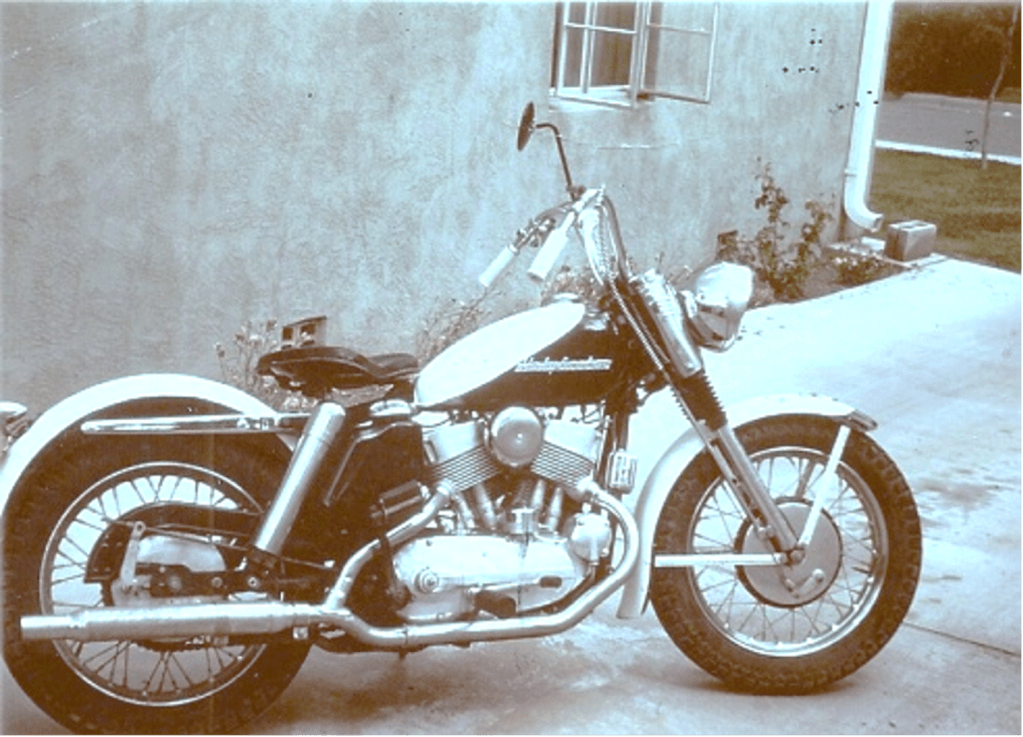
As you can tell by the photo above, by this time I was a Marlon Brando follower (The Wild One) and dressed appropriately.  That was all the rage at that time.  My next and last motorcycle was my favorite: a 1955 Harley-Davidson KH Sportster (Flat-head 888 cc).  I rode that motorcycle for ten years.  I used it for transportation during my years in the U.S. Navy (when I was home) and during my collage years.  During those years my wife, DiVoran, was a frequent passenger on that motorcycle as we were living on a very tight budget.  I never did get a ‘Buddy Seat’ for that motorcycle: ‘Riding Double’ involved me sitting on the gas tank while DiVoran got the seat.   I don’t know how legal that was, as we were never stopped while riding double.

Photo Credit: Bill Lites

Around age 16, when my interest in girls began to grow, I realized I was going to need a car.  My first car was a 1940 Chevrolet Coupe that I paid $50 for.  It took a lot of time, work, and most of my money to fix up that old car into something I wasn’t embarrassed to take a girl out in.  During our senior year in high school this car was the first car that I took my (then) girlfriend, DiVoran, out on a date in.  I only kept that car until I finished high-school and started my tour of duty in the U.S. Navy.  The photos below are a fair representation of my 1940 Chevy.

               Left:  When I bought it        –>       Right: When it was restored

Photo Credit: https://yahoo.com/1940-chevrolet-coupe

During the latter part of my tour of duty in the U.S. Navy I ended up being stationed in San Diego, CA.  It was during this time that I got a chance to live out one of my teenage “Bucket List” items: to own a 1932 Ford five-window Coupe (Hot Rod).  As it turned out, the Master Chief of the engine shop I worked for was an antique car restorer and he knew this guy who had a ‘32 Ford for sale.  I bought it (basically a shell with an 85-hp flathead V-8 engine) and the fun began.  My ’32 had the top ‘chopped’ a total of 4” and the body was ‘channeled’ a total of 7” with one very basic plywood driver’s seat bolted to the frame.  The rest of the interior floor was nothing but a sheet of plywood covering the frame (no passenger seat).

Photo Credit: Bill Lites

Photo Credit: amazingclassiccars.com/1932-ford-5-window-coupe/

I didn’t have time to finish the interior, the engine, and a beautiful new paint job as things in my life were about to change.  The photo below is pretty much what I wanted my ’32 to look like when it was finished.  However, a few months after I started that project, I married DiVoran, ‘The Love of my Life’ and she didn’t like sitting on that plywood with nothing to hold on to.  Very soon after we were married, I traded the ’32 for a nice 1950 Mercury Sedan (much more comfortable).  We kept that Mercury until after I got out of the Navy, finished college, and we were ready to move to Florida.

—–To Be Continued—–

Bill is a retired Mechanical engineer living with his wonderful artist/writer wife, DiVoran, of 65 years in Titusville, Florida. He was born and raised in the Southwest, did a tour of duty with the U.S. Navy, attended Northrop University in Southern California and ended up working on America’s Manned Space Program for 35 years. He currently is retired and spends most of his time building and flying R/C model airplanes, traveling, writing blogs about his travels for Word Press and supporting his wife’s hobbies with framing, editing and marketing.  He also volunteers with a local church Car Care Ministry and as a tour guide at the Valiant Air Command Warbird Museum there in Titusville.  Bill has two wonderful children, two outstanding grandchildren, and a loving sister and her husband, all of whom also live in Central Florida, so he and DiVoran are rewarded by having family close to spend lots of quality time with.

One of Bill’s favorite Scriptures is:  John 10:10

Happiness is Flying Model Airplanes-Part 2

17 May

A Slice of Life

Bill Lites

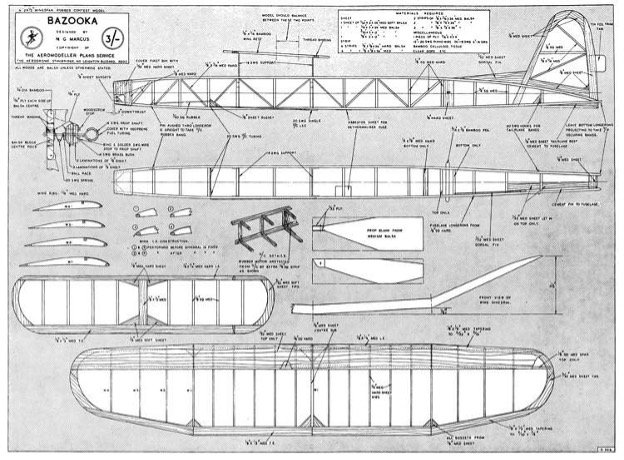
As I gained experience, I moved up to rubber band powered balsa stick model airplanes covered with rice paper.  These models required a lot more concentration and patience to assemble.  The kit consisted of a box full of balsa sheets with fuselage formers and wing ribs printed on them and lots of balsa sticks.  The idea was to carefully cut out the formers (bulkheads) and wing rib parts, and using the balsa sticks, assemble the airplane over the full-size plans provided.  Once the model was assembled, the entire airplane was covered with rice paper and sprayed with water to shrink the paper.  When the paper dried, it could be painted with clear or colored model paint called ‘dope.’  The propulsion was by means of a long rubber band inside the fuselage and twisted many revolutions to turn the propeller for the thrust needed.

Plans Credit: yahoo.com/rubber+powered+model+airplanes 

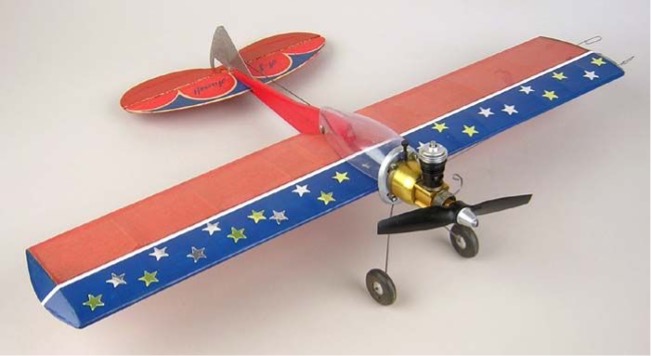
Next, at about age 10, I started building and flying small U-Controlled fuel powered model airplanes using .049 and .065 CID (½ A glow) sized engines.  These airplanes were of similar balsa construction, except the fuselage was made of thicker balsa sheet and the wings and tail were covered with a heavier silk span paper.  When the silk span was sprayed with water it also shrank when it dried.  Then the paper was painted with airplane paint (dope) and it would shrink to an even tighter and tougher surface.  I could then add decals or paint other colored designs if I wished.

Photo Credit: yahoo.com/search/=.049+fuel+powered+u- controlled+model+airplane

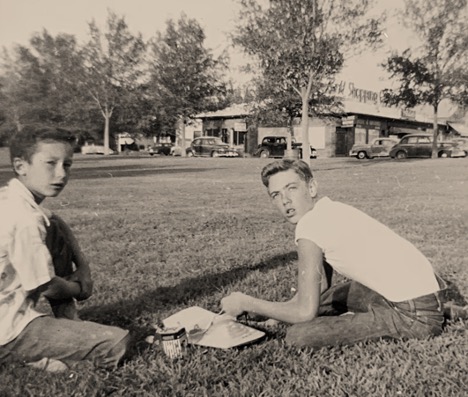
These airplanes were so easy to build, that I started designing my own with variations in wing design.  I would buy the necessary bulk balsa stock from the local hobby shop and use the plans from one of the kits I had previously purchased to build the airplane.  Imagine the airplane in the above photo, with the trailing edge of the wing on each side of the fuselage tapering from the wingtip almost to the forward edge of the horizontal stabilizer.  That was one of my designs that I tried, and you can see that airplane in the photo below (the battery is in the way, but you can see how the wing tapers from the wingtip toward the tail).

Photo Credit: Bill Lites

I used special 35’ long wires to control the flight and needed a large (70’ minimum diameter) clear space to fly these airplanes.  Luckily, a city park, Bataan Park, was only a block from my house and provided plenty of space for my needs.  However, I found out that flying these airplanes around in a circle could make me dizzy if I wasn’t careful.  I won’t bore you with all the plane crashes I had, learning how to fly those first U-Control model airplanes.

Diagram Credit: https://www.modelaircraft.org/control-line

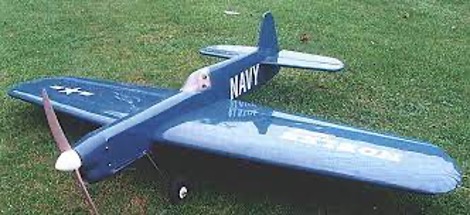
At about age 12, after a lot of experience with the smaller airplanes, I moved up to the larger and more expensive fuel powered .15 and .29 CID (A glow) sized U-Controlled airplanes.  These airplanes were of a similar construction as the ½ A models, but much bigger, stronger, and heaver.  Since these models flew much faster than the ½ A models, I used 70’ wires.  Here again, Bataan Park, the well mowed city park, provided a nice convenient well-maintained grass flying field for me.  The pride of my airplane fleet at that time was my Top Flight ”Nobler” with a Fox .29 CID engine. What a beauty that airplane was!

Photo Credit: www.efkjghfdlf.top/products.aspx=nobler+control+line+airplane

—–To Be Continued—–

Bill is a retired Mechanical engineer living with his wonderful artist/writer wife, DiVoran, of 65 years in Titusville, Florida. He was born and raised in the Southwest, did a tour of duty with the U.S. Navy, attended Northrop University in Southern California and ended up working on America’s Manned Space Program for 35 years. He currently is retired and spends most of his time building and flying R/C model airplanes, traveling, writing blogs about his travels for Word Press and supporting his wife’s hobbies with framing, editing and marketing.  He also volunteers with a local church Car Care Ministry and as a tour guide at the Valiant Air Command Warbird Museum there in Titusville.  Bill has two wonderful children, two outstanding grandchildren, and a loving sister and her husband, all of whom also live in Central Florida, so he and DiVoran are rewarded by having family close to spend lots of quality time with.

One of Bill’s favorite Scriptures is:  John 10:10

Happiness is Flying Model Airplanes Part 1

10 May

A Slice of Life

Bill Lites

I began my love affair with airplanes at the tender age of six years old when my family moved to Albuquerque, New Mexico.  Our father had been given a new job there and he had gone there ahead of us to find a house and get things ready for our family move.  When all the details were in place, my mother, sister, and I flew on an American Airlines DC-3 from Dallas, Texas (where I had been born) to Albuquerque and I was thrilled by every aspect of that experience.

Photo Credit: https://images.search.yahoo.com/american+airlines+DC-3

Albuquerque had two U.S. Air Force bases, and our house was under the landing approach to Kirtland Air Force Base.  Airplanes of all types flew over our house all of the time and I learned how to identify all the different types by name and profile.  I used to love to run out side of our house and watch them fly over.  They ranged from the twin-engine B-25 Mitchel, B-29 Superfortress, to the giant B-36 Peacemaker.

Photo Credit: Bill Lites

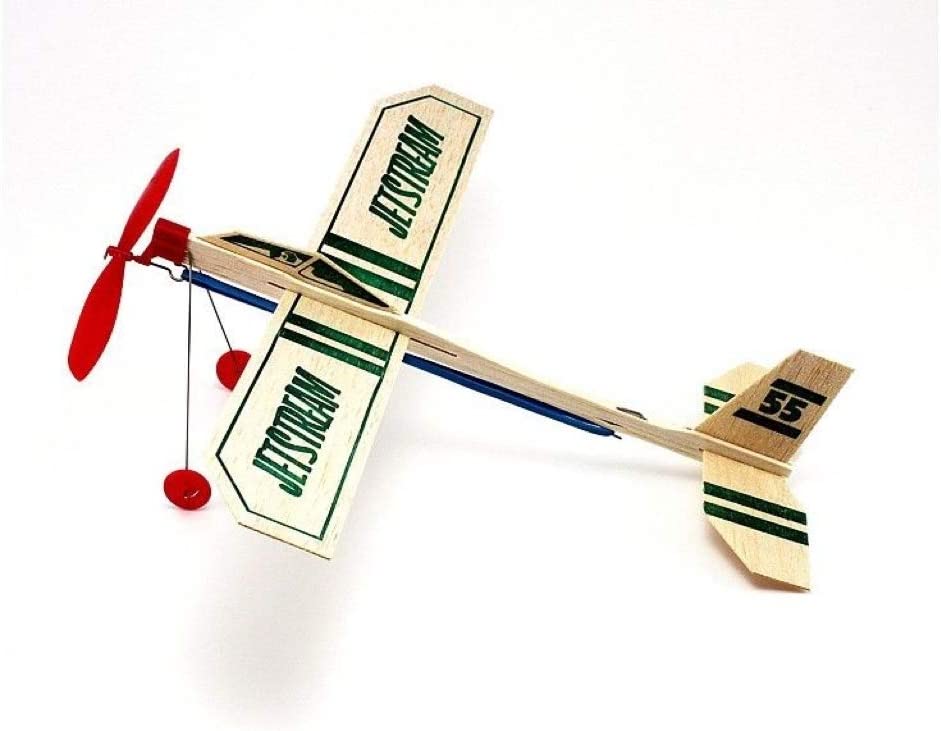
At about age 8, I transitioned from my hobby of electric trains to model airplanes.  At the time, the 10-cent balsa-wood gliders were the big rage in my neighborhood.  The little kit had all the parts die-cut, so all you had to do was slip the pre-formed wing and tail into the slots in the fuselage and you were ready to fly.  I learned how to carefully cut a notch in the bottom of the fuselage, which allowed me to launch the glider with a one-stick rubber sling shot.  That gave me a much higher altitude providing I didn’t pull the wings off with too much rubber band strength.  I had saved my allowance money and bought one after another, as I flew them and broke them (Notice the glue line on the fuselage in the photo below).

Photo Credit: Bill Lites

My very first model airplane was a small hard-wood Piper Cub.  That model only needed the individual parts to be sanded smooth.  I worked hard and long to get the parts as smooth as I wanted.  Then all I had to do was to glue the wing and tail onto the fuselage and paint it. Then after the paint dried, there were a few decals to install to make it look real.  When I finished all the detailing, I hung that beautiful model from my bedroom ceiling and enjoyed it for years.

Photo Credit: www.helidirect.com/piper-cub/

As the years passed, and I grew older, I moved up to rubber powered balsa model airplanes. The first rubber powered model airplane I had was very basic.  A long square balsa stick for the fuselage, and thin balsa sheet wing and tail.  The rubber band was attached to the propeller in front, and ran under the fuselage to the tail.  The propeller and rubber band would be twisted in the opposite direction of the thrust needed, and when the propeller was released, the airplane would take off and fly until the rubber band tension was expended.  Great fun!

These gliders are still available online. This one is on Amazon.

Photo Credit: https://amzn.to/44RaCqt

—–To Be Continued—–

Bill is a retired Mechanical engineer living with his wonderful artist/writer wife, DiVoran, of 65 years in Titusville, Florida. He was born and raised in the Southwest, did a tour of duty with the U.S. Navy, attended Northrop University in Southern California and ended up working on America’s Manned Space Program for 35 years. He currently is retired and spends most of his time building and flying R/C model airplanes, traveling, writing blogs about his travels for Word Press and supporting his wife’s hobbies with framing, editing and marketing.  He also volunteers with a local church Car Care Ministry and as a tour guide at the Valiant Air Command Warbird Museum there in Titusville.  Bill has two wonderful children, two outstanding grandchildren, and a loving sister and her husband, all of whom also live in Central Florida, so he and DiVoran are rewarded by having family close to spend lots of quality time with.

One of Bill’s favorite Scriptures is:  John 10:10

The Remote Control

7 May

SUNDAY MEMORIES

Judy Wills

The remote control has come a long way.  We usually take it for granted in these days – I wouldn’t even THINK of having to get up from my comfy chair to go and change the channel on the TV!  Outrageous!  And yet, I remember when that was the norm.

I remember when my family got our first TV when I was a child in Albuquerque.  Such a novelty!  And there were only three channels available.  It was only on during the day, and ended each day with a single picture on the screen, and the National Anthem being played/sung.

I remember on New Year’s Day, when all the college bowl games were being played – my Dad had one game on the big TV, another game on a small TV on top of the big TV – another game on the radio in one bedroom, and another game on the radio in another bedroom.  He would bounce back and forth among all those rooms trying to keep track of all the games.  Used to drive my Mother crazy!

But all of those TV’s had a manual remote – in other words, someone had to get up and change the channel manually.

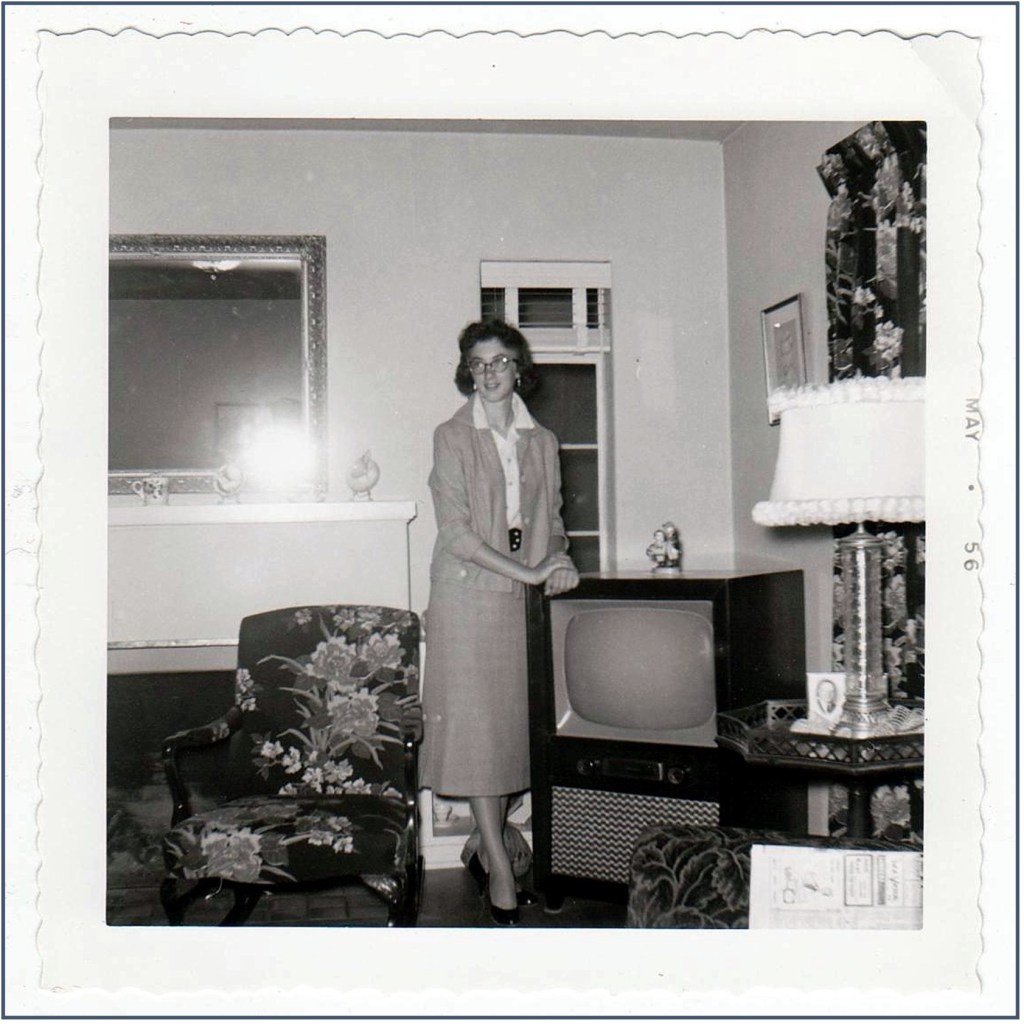
1956 – Judy in our living room with the new TV – no remote control

Okay…fast forward a few years.  Fred and I married and moved to Fort Worth, Texas for him to attend Southwestern Baptist Theological Seminary.  One of our first purchases was a black-and-white TV set.  It wasn’t much, but we enjoyed it.  We took it with us when we moved to San Antonio, Texas for Fred to attend the U.S. Air Force Officer Training School (OTS).  We had it with us in San Jose, California while Fred attended San Jose State College (now University) to get his meteorology training.  But we must have sold it there, because we didn’t have any TV with us during the three years we were in Wiesbaden, West Germany.

Upon arriving back in the U.S., Fred’s parents gave us their old black-and-white TV, as they had purchased a new color TV for themselves.  It only had a manual remote, and Karen (only four years old at this time) would go and turn the remote – to the correct channel I might add – before we even turned on the machine!  How did she DO that???  It never failed that she had the correct channel.  And in northern Maine, on a U.S. Air Force Base, we had only just a few channels to choose from.  Amazing.  She’s a genius!!

When we moved to San Antonio, Texas, we purchased a new TV for ourselves – and it was in COLOR!  WOW!  What a difference that made – even the weather was better in color!  It was in a lovely wood console – but held only the TV – no radio…no turntable…no storage space contained therein.  Still – it only had a manual channel-change knob.  It was a great piece of furniture, and we carried it with us to Tyndall AFB, Florida, to Fort Leavenworth, Kansas, and then to Heidelberg, West Germany.  

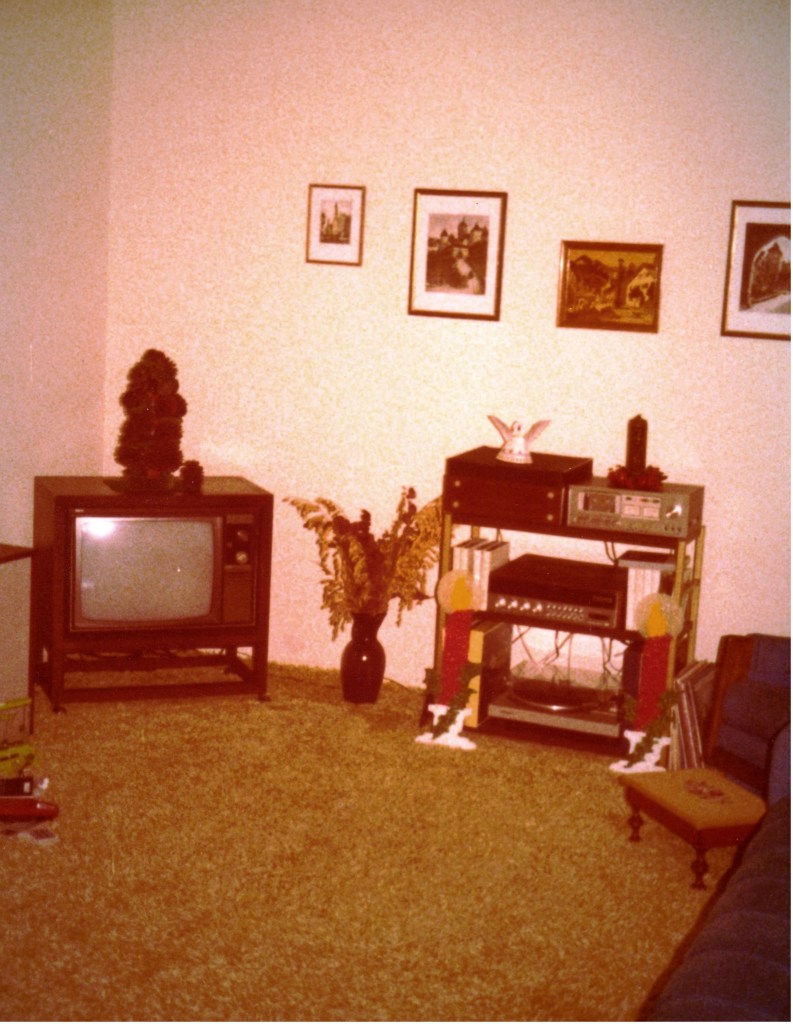
1979-1980 – The TV console in our unit at Fort Leavenworth, Kansas
After we lived in Virginia for a while, we purchased a more up-do-date TV for our family room, and moved that TV console upstairs to our bedroom.  We finally sold it – or donated it – before we moved to Florida.  

And that’s where our remote controls came into being.  And we couldn’t live without them now – sometime we even have one in each hand!

What a progression.  And all this was prompted by a picture on FaceBook of an old-fashioned TV dial.

Credit FaceBook

Judy is living in Central Florida with her retired U.S. Air Force husband of 50+ years. Born in Dallas, Texas, she grew up in the Southwestern United States.She met her husband at their church, where he was attending the university in her town. After college and seminary, he entered the Air Force, and their adventures began.They lived in eight of our United States, and spent six years in Europe, where their oldest daughter was born. She was a stay-at-home mom for many years .

  Judy has always been involved with music, both playing the piano and singing. Always interested in exercise, she was an aerobic dancing instructor, as well as a piano teacher for many years, and continues to faithfully exercise at home.

After moving to Central Florida, she served as a church secretary for nearly nine years.Her main hobby at this point in time is scanning pictures and 35mm slides into the computer. She also enjoys scrapbooking.She and her husband have two married daughters and four grandchildren, including grandtwins as well as a great-grandson and a great-granddaughter. She and her husband enjoy the Disney parks as often as possible.